

Mi Xun Teahouse at Upper House Chengdu: Meet the Chef
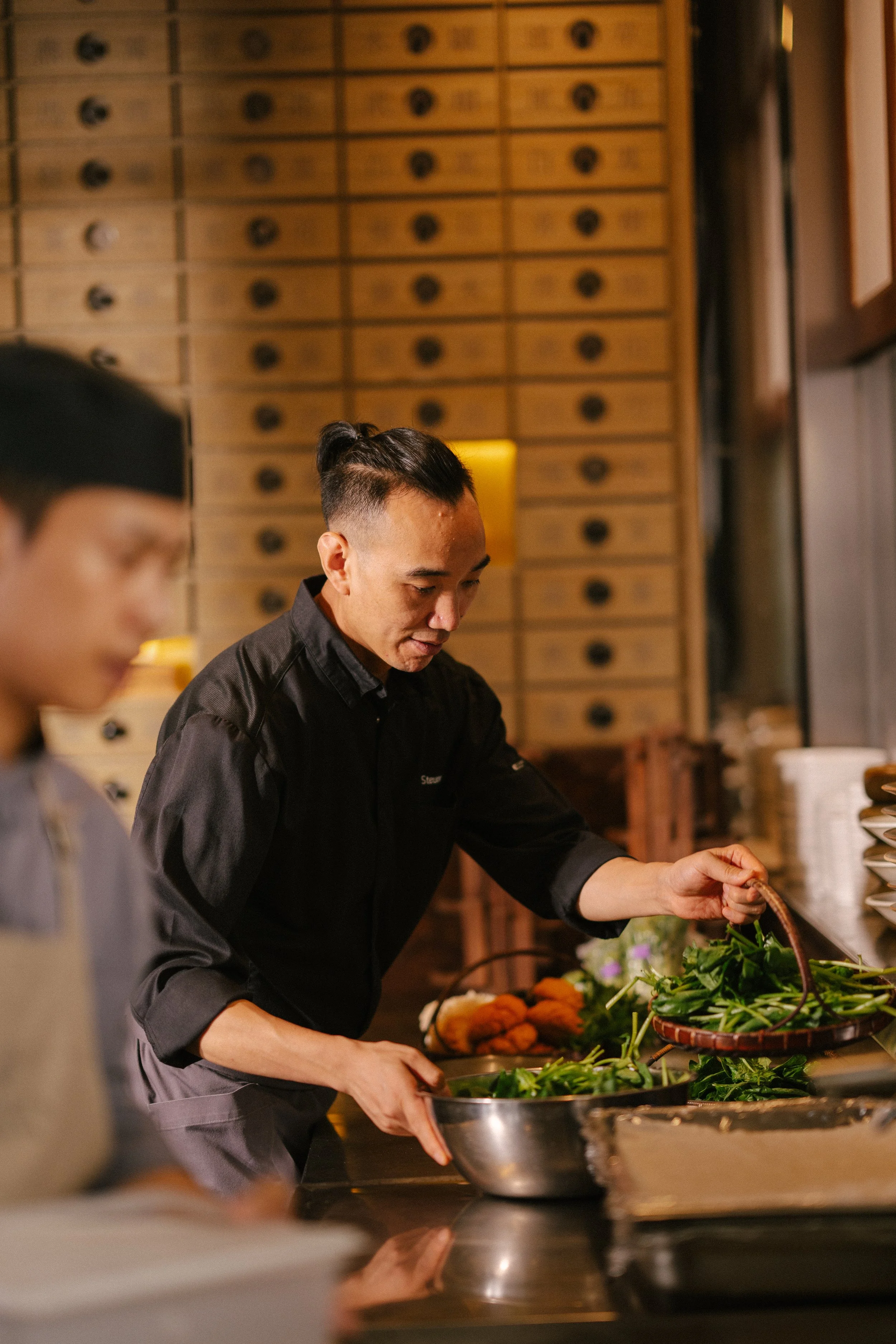
We sat down with Chef de Cuisine Steven Tang of Mi Xun Teahouse at Upper House Chengdu. Influenced by tea traditions and interpreted through modern vegetarian cooking, every menu offers a subtle conversation between the landscape and the plate. Diners depart with more than lingering flavors; they leave with a renewed connection—to the local environment, to sustainable practices, and to a style of dining that honors balance, stewardship, and the value of time well spent.

Steven Tang of Mi Xun Teahouse at Upper House Chengdu: Meet the Chef
Tell us about what your morning routine looks like, and how you like to end your day?
On my days away from the restaurant, I start early at the local market. Walking among the stalls, talking with farmers what’s new today and selecting produce in its best moment. At night, when things become quieter, I reflect on the day’s service and feedback or spend time reading traditional cooking recipes. Both the beginning and end of the day return to the same thought — how to make the next meal tastier.
Do you have any awards or achievements you’d like to mention?
Mi Xun Teahouse has held a MICHELIN star for five consecutive years, along with the recognition for the only Green Star in Chengdu. These honors belong to the team and affirm the path we have chosen. However, the most memorable moments for me are often quite simple - guests giving us great compliments after a satisfying meal, or the team developing a new dish after multiple attempts and gathering around to taste it with a shared curiosity.
Do you have a favorite chef that you look up to and what advice would you give to aspiring chefs?
I admire Chef André Chiang for the way he connects philosophy and culture into cuisine. His work shows how food can carry both technical precision and deeper meaning. For young chefs, I would say, learn your craft with patience, and stay attentive to the character of each ingredient. Technique is important, but understanding is what gives cooking its depth.
Steven Tang of Mi Xun Teahouse at Upper House Chengdu: Meet the Chef
What do you typically cook at home?
At home, I cook simple dishes for my family — soups with seasonal vegetables, or familiar stir-fries prepared without complexity. It is a different rhythm from restaurant cooking, focused less on refinement and more on family sharing.
What’s a food trend that you’re loving right now and why?
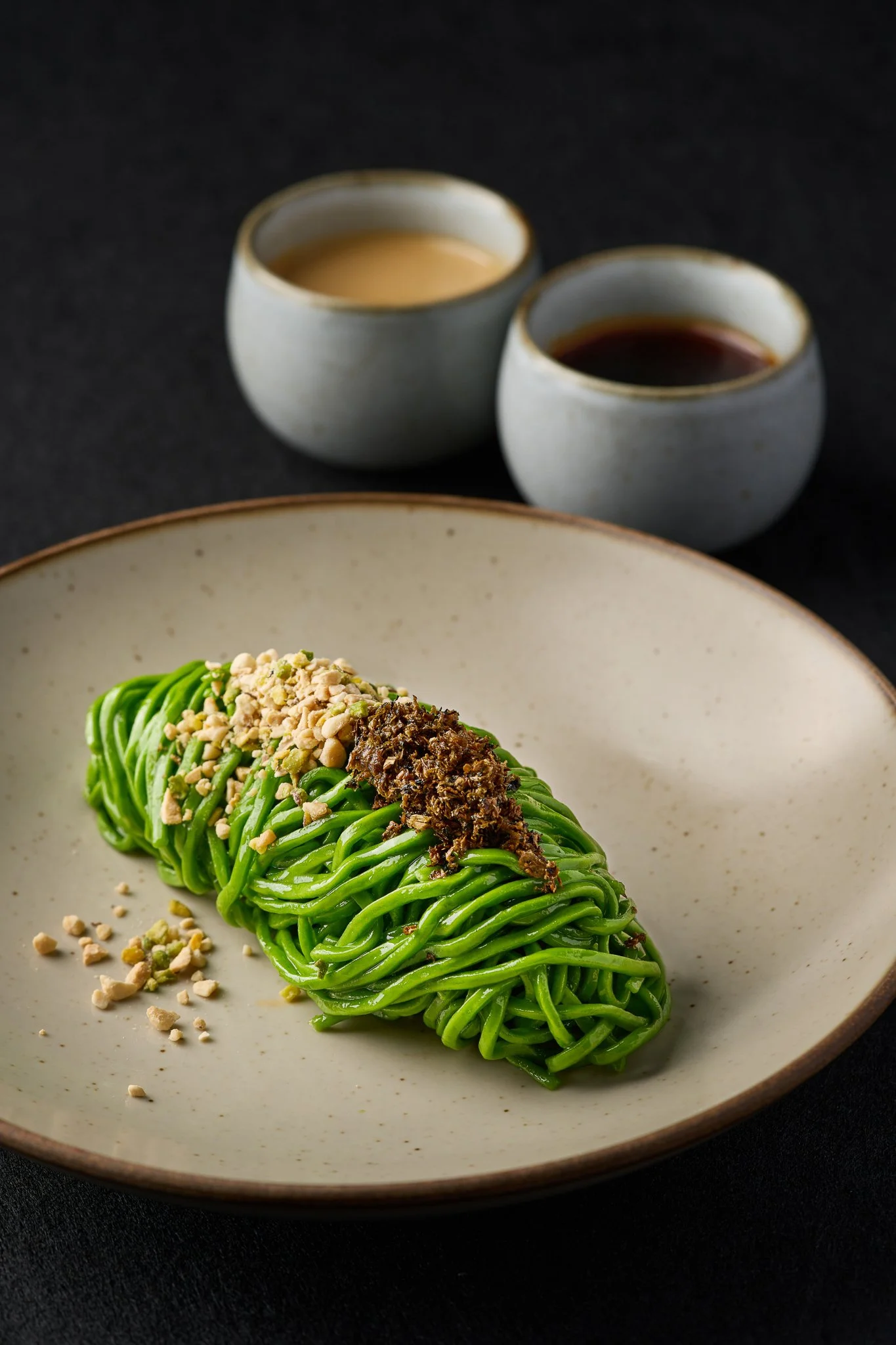
I love the clever use of local ingredients, and it’s only when I talk more closely with neighboring farms and farmers that I learn more about the flavors of ingredients at different times of the year and in different regions - for example, there may be a marked difference in the flavor of a radish one week and a radish the next. These ‘secrets’ are only known to those who know the land and its cultivation. Only through frequent communication with them can I work closely with producers, and I can add a more distinctive sense of seasonality and rustic authenticity to the table.
Steven Tang of Mi Xun Teahouse at Upper House Chengdu: Meet the Chef
What’s the strangest food combination you’ve ever tried? And, did you like it?
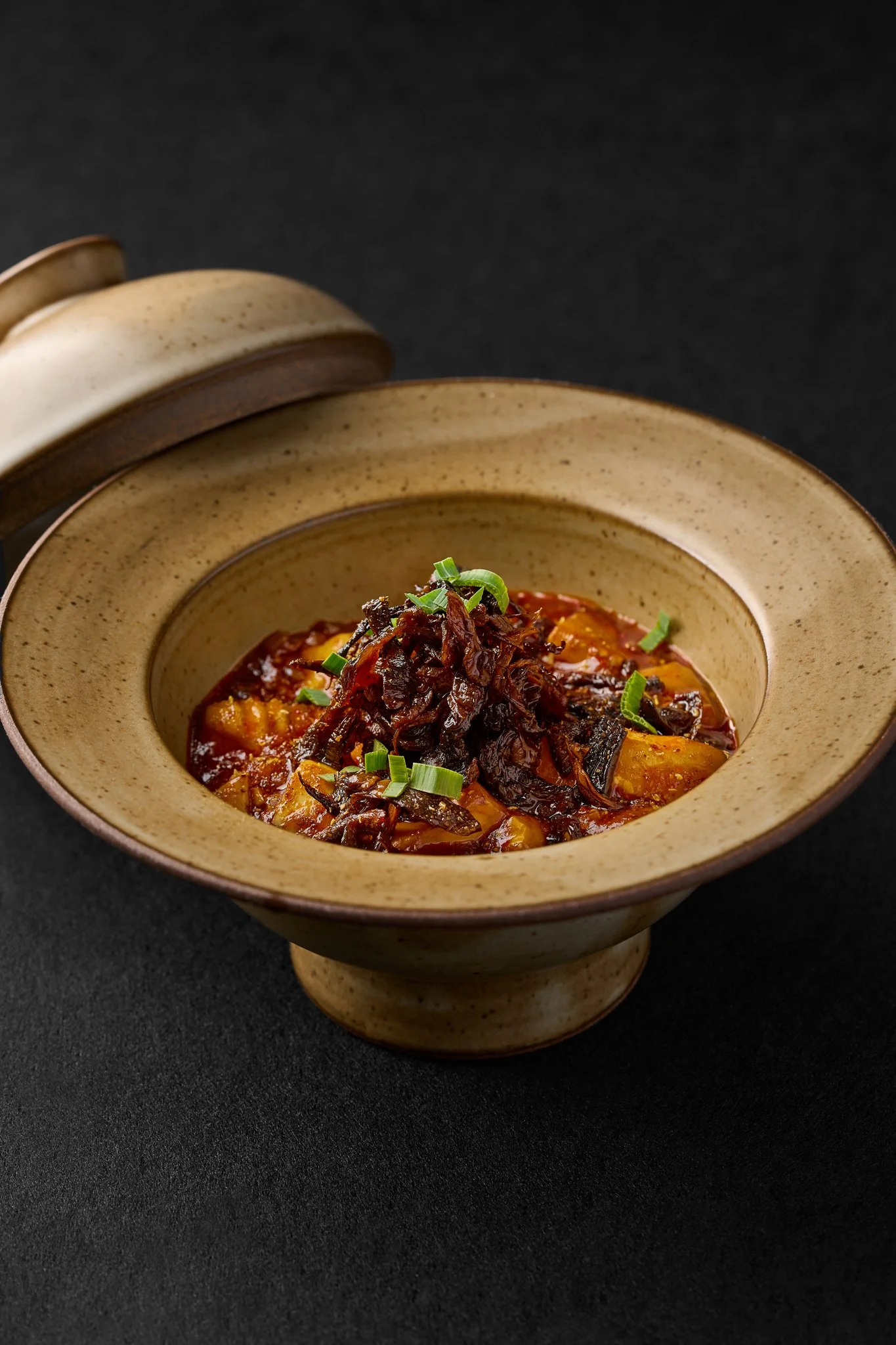
I paired once Sichuan peppercorn with melon. The gentle citrusy tingle of the pepper met the sweetness of the fruit in a way that felt unexpected but balanced. This new trying reminded me that new combinations can work when there is respect for each ingredient’s nature.
Steven Tang of Mi Xun Teahouse at Upper House Chengdu: Meet the Chef
What drink do you enjoy most?
I quite like a can of Coca-Cola. Whether during a busy service or a quiet pause, it brings a small sense of ease — like the comfort of a well-cooked meal.
Have you ever cooked for a celebrity? Do you have a story to tell?
I once cooked for an artist I deeply respect. After the meal, he came to the kitchen and said he could feel the sense of season and the calm intention behind the dishes. That moment reminded me that what reaches people most is not luxury, but sincerity.
What’s your Instagram so readers can follow you?
I don’t use Instagram at the moment. But you can follow upperhouse_cd which often shares what’s new with me and Mi Xun Teahouse.

Steven Tang of Mi Xun Teahouse at Upper House Chengdu: Meet the Chef
Why should readers visit Mi Xun Teahouse at Upper House Chengdu?
A visit to Mi Xun Teahouse is less about dining out, and more about understanding where a meal comes from. Our cuisine is rooted in the landscapes of Sichuan, shaped by the rhythm of the seasons and a close collaboration with farms located around the Giant Panda habitats. These partnerships allow us to support small communities while working with ingredients grown with care and respect for the land. Guided by tea culture and expressed through contemporary vegetarian cuisine, each menu reflects a quiet dialogue between nature and the table. Guests often leave not only remembering flavors, but with a deeper sense of connection — to the region, to sustainability, and to a way of dining that values balance, responsibility and time well spent.