

The Ultimate Guide to America’s Most Iconic Seafood
Lobster Explained: The Ultimate Guide to America’s Most Iconic Seafood
Few foods are as instantly recognizable—or as fiercely debated—as lobster. It’s a luxury, a roadside roll, a white-tablecloth centerpiece, and a summer ritual all at once.
But not all lobster is the same. From cold Atlantic waters to warm southern seas, where a lobster comes from dramatically affects how it tastes—and why some regions dominate the conversation.
Here’s everything you need to know about lobster in the United States.
What Is Lobster and Why Is It So Popular?
Lobster is a marine crustacean prized for its sweet, firm meat and versatility. It’s served steamed, grilled, butter-poached, in rolls, and alongside steaks.
What makes lobster special is its balance of richness and restraint—indulgent without being heavy, luxurious without being overwhelming.
Why Lobster Tastes Different by Region
Lobster flavor depends on:
Water temperature
Diet
Species
Harvesting and handling
Cold water lobsters develop firmer, sweeter meat, while warm water species tend to be softer and milder.
The Two Main Types of Lobster in the United States
Maine Lobster (American Lobster)
Scientific name: Homarus americanus
Found in:
Maine
Massachusetts
New Hampshire
Canada’s Atlantic coast
Maine lobster is the gold standard: sweet, firm, and clean, with large claws and a balanced tail. It dominates fine dining and classic lobster rolls for a reason.
Spiny Lobster (Warm-Water Lobster)
Found in:
Florida
California
Caribbean
Spiny lobster lacks claws and is prized for its tail meat. While delicious when grilled, it’s less sweet and more fibrous than Maine lobster.
This is not a downgrade—it’s simply a different application.
Which U.S. Region Has the Best Lobster?
New England: The Undisputed Champion
Cold North Atlantic waters produce lobster with unmatched texture and sweetness. Maine lobster in particular is the benchmark against which all others are judged.
Restaurants don’t advertise “lobster” when it’s from Maine—they advertise Maine lobster.
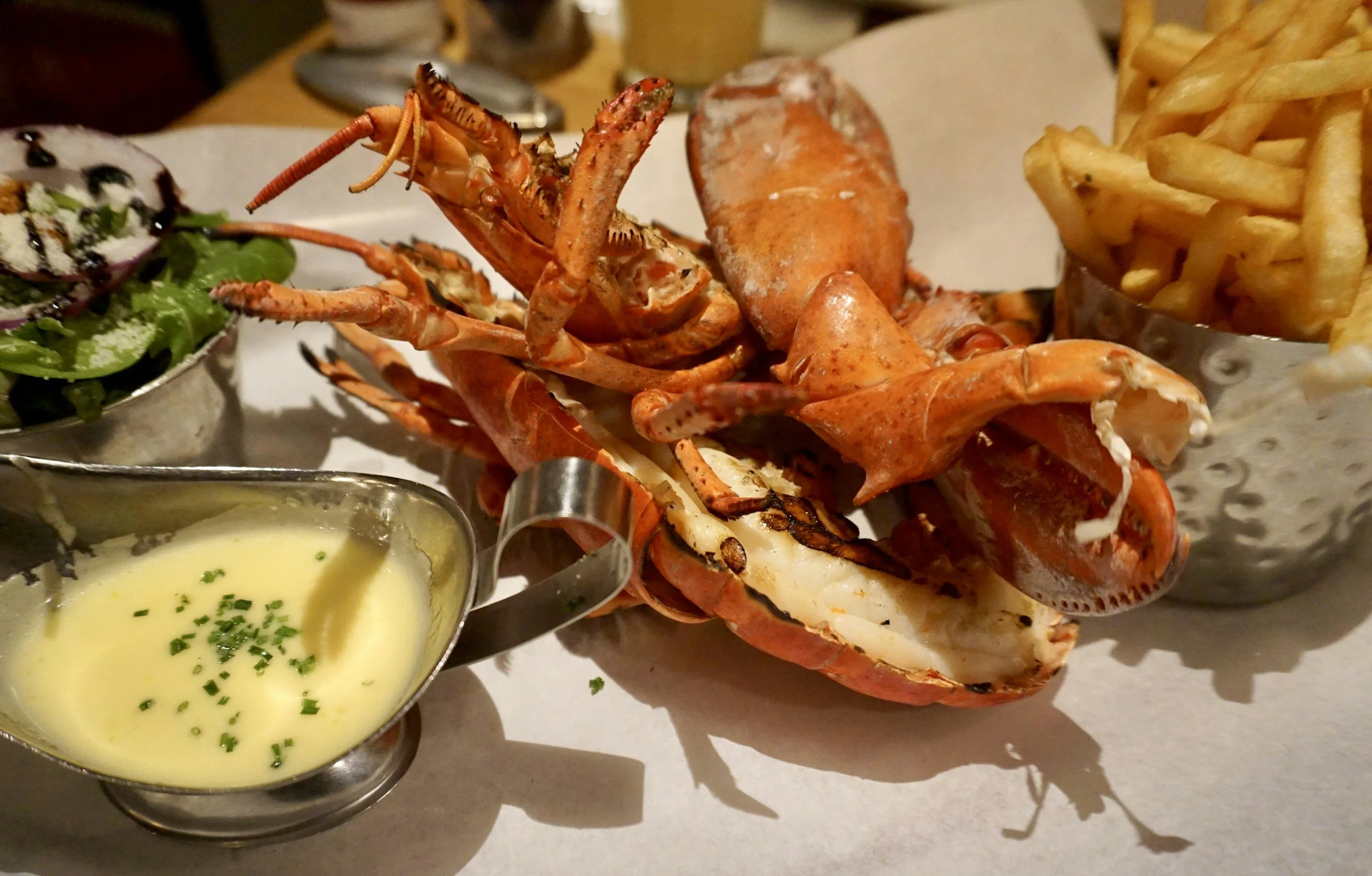
Lobster Explained: The Ultimate Guide to America’s Most Iconic Seafood
Florida and California: Best for Grilling
Warm-water spiny lobster shines when grilled or broiled. It’s popular in coastal California and South Florida for bold, butter-forward preparations.
But when served plain, the flavor gap becomes noticeable.
When Is Lobster Season?
Maine lobster: Year-round, with peak quality in summer and early fall
Spiny lobster: Late summer through winter
Despite availability year-round, lobster tastes best when harvested in cooler waters, when meat density is highest.
Is Lobster Healthy?
Yes—lobster is:
High in protein
Low in fat
Rich in selenium and vitamin B12
Butter is optional. The lobster does the heavy lifting.
How to Eat Lobster (Without Intimidation)
For first-timers:
Start with steamed lobster or a classic lobster roll
Use butter sparingly at first
Focus on claw meat for sweetness
Messy hands are part of the deal.
Lobster Rolls: Why Maine Does It Best
Maine lobster rolls traditionally feature:
Chilled lobster meat
Light mayo or butter
Toasted split-top bun
Other regions add flair. Maine keeps it honest.
Why Lobster Remains America’s Seafood Icon
Lobster succeeds where few foods do—it feels special without being inaccessible. Whether you’re cracking claws in Maine or grilling tails in California, lobster remains a national obsession.
But when flavor, texture, and tradition matter most, cold-water lobster still reigns supreme.
FOR FURTHER READING: America’s Best Oysters Come from the East Coast — And the West Coast Knows It