

America’s Best Oysters Come From the East Coast — And the West Coast Knows It
America’s Best Oysters Come From the East Coast
There’s a polite version of the oyster debate, and then there’s the honest one.
Yes, oysters are harvested on all three U.S. coasts. Yes, every region has something to offer. But when it comes to the best oysters in the United States—especially for raw consumption—the East Coast doesn’t just compete. It dominates. And the states and farms that prove it have been doing so quietly, consistently, and without gimmicks.
This isn’t about nostalgia. It’s about results.
Why the East Coast Consistently Produces the Best Oysters
Cold water, slow growth, and discipline matter more than hype.
East Coast oysters grow in colder Atlantic waters, which slows their development and concentrates flavor. Instead of ballooning in size, they build structure: firmer meat, cleaner brine, and a finish that snaps instead of slouches.
That restraint is exactly what makes them superior on the half shell.
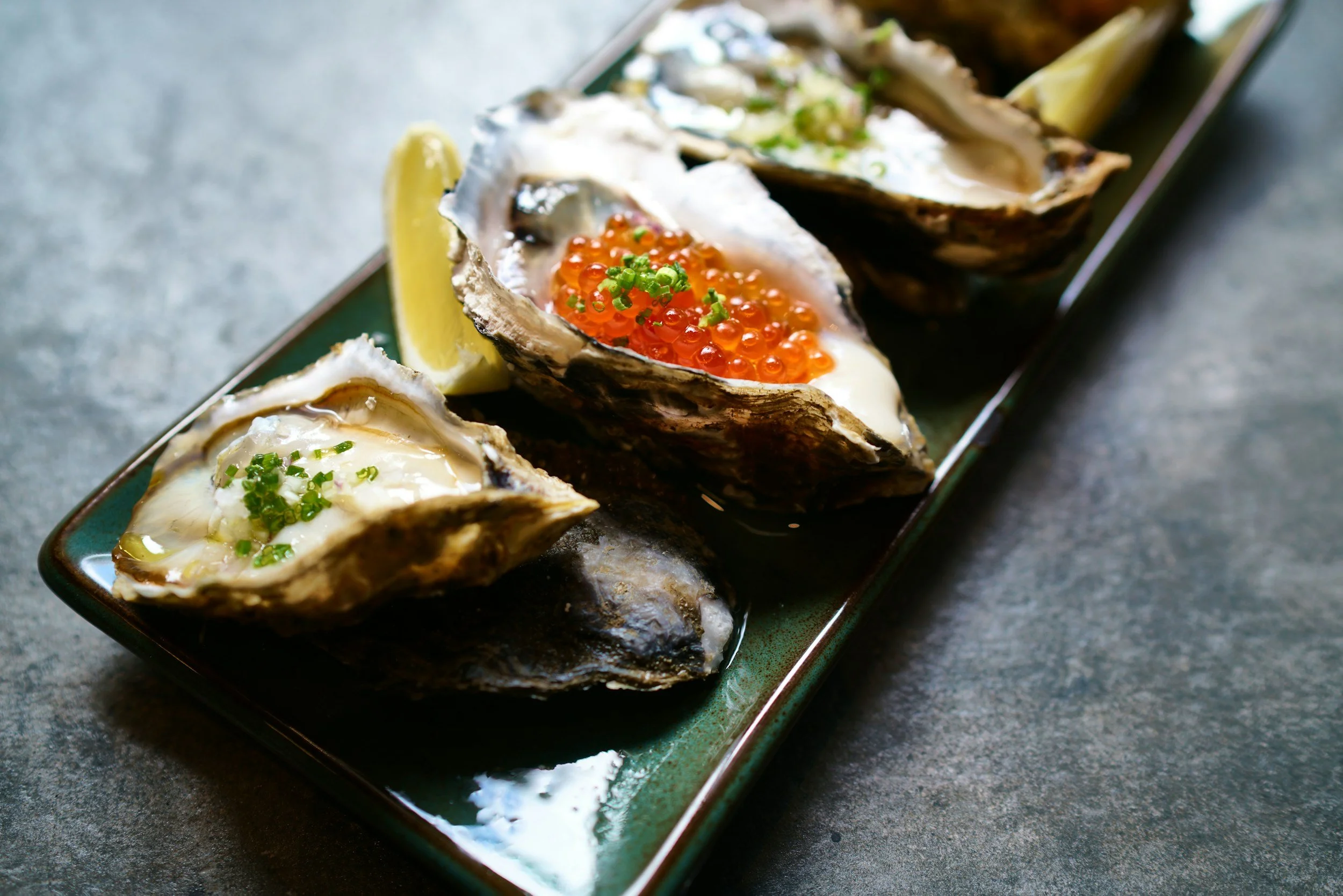
America’s Best Oysters Come From the East Coast — And the West Coast Knows It
Massachusetts: The Gold Standard for American Oysters
If American oysters had a benchmark state, it would be Massachusetts.
Wellfleet, Duxbury, and Barnstable
Oysters from Wellfleet, Duxbury Bay, and Barnstable Harbor define what people mean when they say “a great oyster.” Briny without being harsh. Clean without being boring. Balanced in a way that makes hot sauce unnecessary.
Farms That Set the Bar
Farms like Island Creek, Wellfleet Oyster Co., and Duxbury Bay Oyster Company didn’t just popularize East Coast oysters—they professionalized them. Their product shows up flawless, predictable, and chef-ready week after week.
Consistency isn’t boring. It’s power.
Maine: Where Cold Water Turns Oysters Serious
Maine oysters don’t try to win everyone over—and that’s why oyster obsessives love them.
Pemaquid, Glidden Point, Dodge Cove
These oysters are intensely saline, mineral-driven, and sharp around the edges. They’re not entry-level oysters. They’re oysters for people who actually like oysters.
Cold water strips away softness and replaces it with clarity. Maine delivers that better than almost anywhere else in the country.
Virginia and the Chesapeake: The Quiet Comeback
Virginia’s oyster revival is one of the most overlooked success stories in American food.
Rappahannock, Olde Salt, Stingray
Modern Chesapeake oysters are balanced, nuanced, and deeply terroir-driven. Less aggressive than New England oysters, but more complex than most West Coast offerings.
They don’t shout. They linger.
West Coast Oysters: Creamy, Pleasant — and Overpraised
Yes, the West Coast has good oysters. No, that doesn’t make them the best.
Washington State Isn’t a Free Pass
Farms like Taylor Shellfish, Hama Hama, and Kumamoto produce oysters that are undeniably enjoyable. Creamy. Mild. Slightly sweet.
But here’s the problem: too many West Coast oysters taste the same. When everything is buttery and cucumber-leaning, nothing stands out. They’re designed to be liked instantly, not remembered later.
California’s Inconsistency Problem
Outside of Hog Island, California oysters struggle with consistency. Too often they feel experimental rather than refined—good ideas that haven’t fully settled into identity.
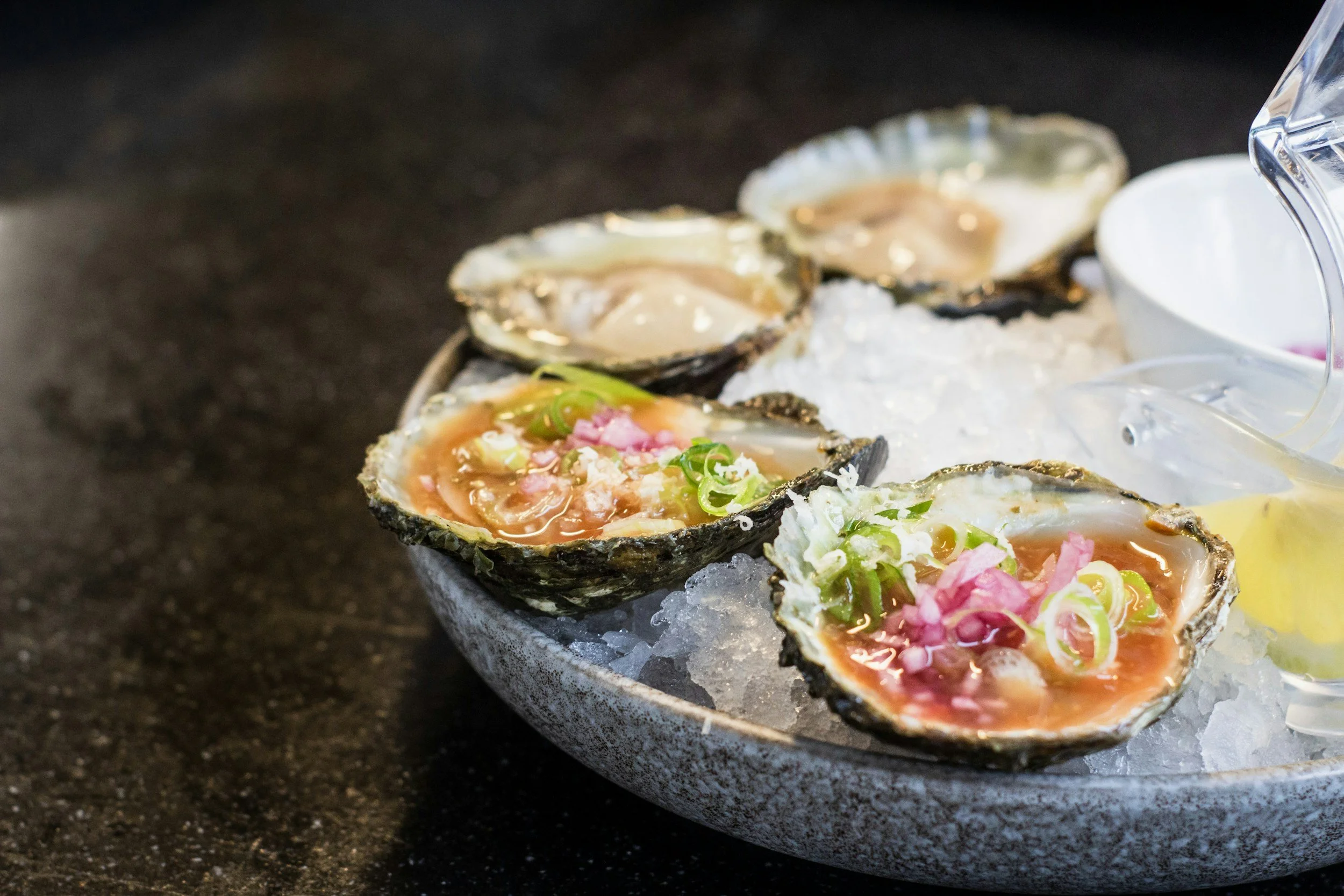
America’s Best Oysters Come From the East Coast — And the West Coast Knows It
Gulf Coast Oysters: Great for Cooking, Not for Crowns
Gulf oysters deserve respect—but not this particular title.
Louisiana, Texas, Apalachicola
Gulf oysters are large, meaty, and perfect for grilling, frying, or baking. They dominate po’ boys and charbroiled platters for a reason.
But raw? Warm-water growth leads to softer texture and limited seasonality. Even Gulf producers understand this, which is why their oysters rarely anchor raw bars outside the region.
Different strengths. Different game.
Raw Bars Reveal the Truth No Debate Can Hide
Look at elite raw bars in New York, Boston, Chicago, and San Francisco.
The headliners are almost always East Coast oysters: Wellfleet, Blue Point, Pemaquid, Rappahannock. West Coast oysters appear as accents. Gulf oysters appear cooked.
That isn’t coastal bias. It’s market consensus.
Final Verdict: The East Coast Isn’t Louder — It’s Better
America has excellent oysters everywhere. But excellence isn’t equality.
Best oysters overall: East Coast
Best for raw bars: East Coast
Most consistent terroir: East Coast
Most influential farms: East Coast
The West Coast wins on novelty.
The Gulf wins in the kitchen.
But when it comes to oysters at their purest—cold, raw, and unapologetically briny—the East Coast remains undefeated.