

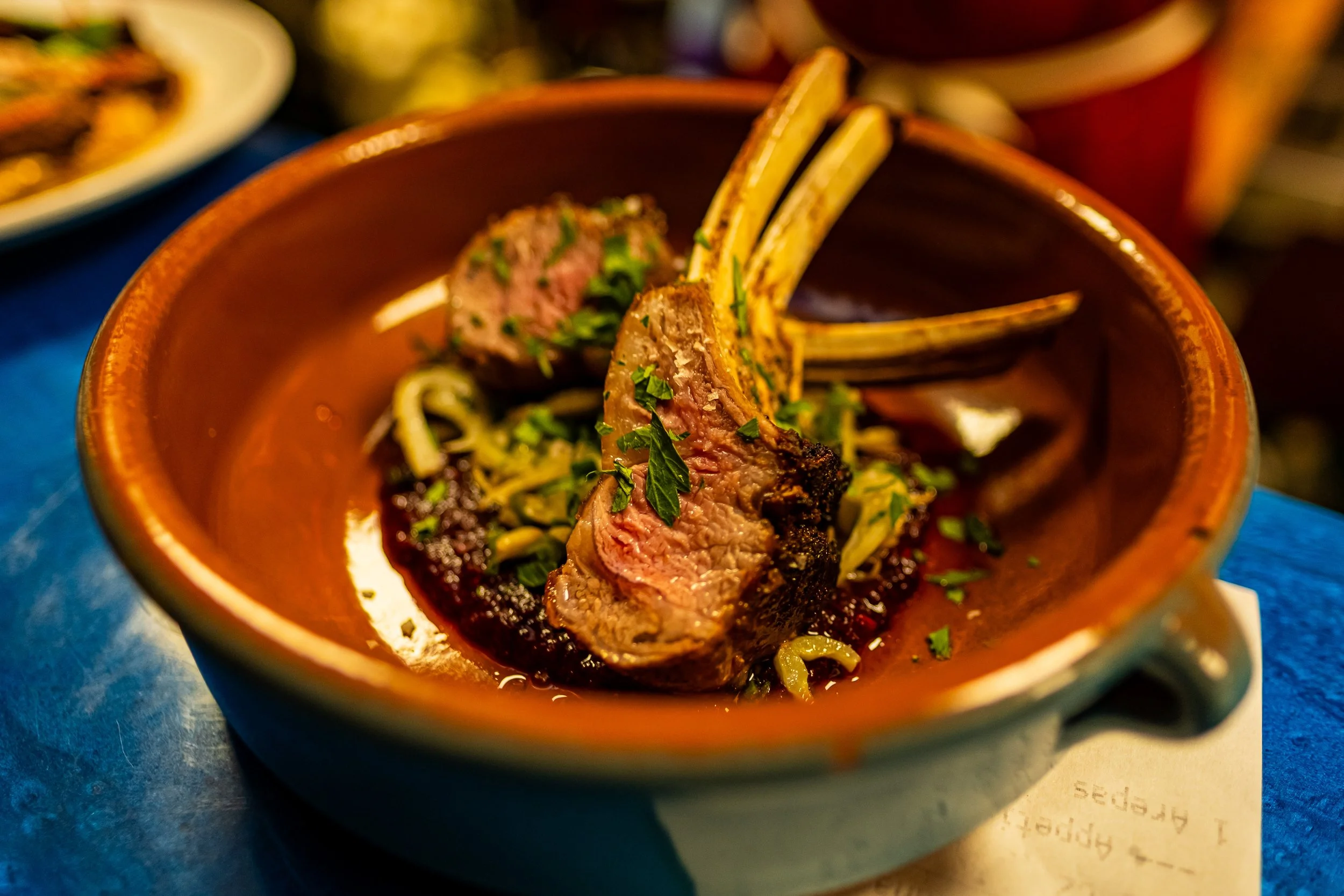
We sat down with Executive Chef/Owner Gregory R. León of Amilinda in Milwaukee, Wisconsin. The cuisine at Amilinda blends the flavors of the Iberian Peninsula with the best ingredients from Wisconsin farms. Dishes are inspired by Spain and Portugal, made with their own special touch. The menu changes weekly, and the atmosphere is warm and welcoming, just like being at home. Enjoy bold flavors, carefully chosen wines, and friendly service that remembers you.

Amilinda in Milwaukee, Wisconsin: Meet the Chef
Tell us about what your morning routine looks like, and how you like to end your day?
The day starts with a big glass of orange juice and quality time with the dogs before heading into Amilinda. Once I walk into the restaurant it’s time tocheck the prep lists, text farmers, quick cooler check to taste and tweak. I end the night with a last sweep of the dining room to talk with the remaining guests, a check in with the team, go over menu changes for the next day and a quiet ride home to reset and relax with the pups.
Do you have any awards or achievements you’d like to mention?
Amilinda has been recognized with multipleJames Beard Awardhonors (Finalist, Best Chef: Midwest 2022–2023; Semifinalist, Outstanding Chef 2024–2025). We’ve appeared on the Milwaukee Journal Sentinel“Best Restaurants” lists for nine straight years and received aDiRōNA distinction. The community honors mean the most to me, including theVivent Health Courage Award. Additional recognitions include a decade of appearances on Eater’s “38 Essential Milwaukee Restaurants,”frequent mentions in Thrillist dining guides, and coverage inMilwaukee Magazine (including our 10th-anniversary feature).
Do you have a favorite chef that you look up to and what advice would you give to aspiring chefs?
I admire José Andrés for his heart, speed, and impact—feeding people in disasters while running serious restaurants is the blueprint for what a chef can be in the world. I admire Alice Waters for proving that ingredient-driven, market cooking can change how a whole country eats—farmers first, flavor first, season first.
Amilinda in Milwaukee, Wisconsin: Meet the Chef
My advice to aspiring chefs:
Show up early, prepared, and curious. Clean station, sharp knife, notebook, questions ready.
Master the basics. Knife work, seasoning, heat control, stocks/sauces, eggs, rice, and a perfect vinaigrette. If you can’t cook potatoes well, nothing else matters.
Taste constantly. Salt, acid, fat, texture—train your palate every day and adjust in real time.
Be respectful and kind. Hospitality starts in the kitchen. Take care of your dishwashers; they’re the backbone.
Say “yes” to the unglamorous work. Sweep, plunge a sink, jump on dishes—leaders do what’s needed.
Learn the business as seriously as the cooking. Know your P&L, food and labor costs, menu engineering, pricing, inventory, and vendor relationships. Creativity only survives if the numbers work.
Communicate like a Pro. Clear ticket, concise calls, listen first, and own your mistakes without excuses.
Stage and read. Work different kitchens,study classic books, and keep learning outside of service.
Mind your health. Good shoes, hydration, stretching, sleep when you can—burnout cooks no one a good meal.
Lead with integrity. Give credit, teach as you were taught, and make space for others to grow.
What do you typically cook at home?
Tortilla Española on repeat, eggs, caramelized onions and potatoes, sliced warm or room temp with a little aioli and a tomato salad. Simple Iberian comfort is my default: Caldo Verde, roast chicken or shrimp with piri piri, grilled seasonal vegetable with sherry vinegar, and brothy beans with good olive oil. I also keep a stash of conservas (tinned fish) for quick toasts. And I love Italian, especially a pantry-friendly Pasta Puttanesca (anchovies, capers, olives, chili) or a classic Amatriciana with guanciale, tomato, and pecorino. At home it’s unfussy, market-driven cooking.
What’s a food trend that you’re loving right now and why?
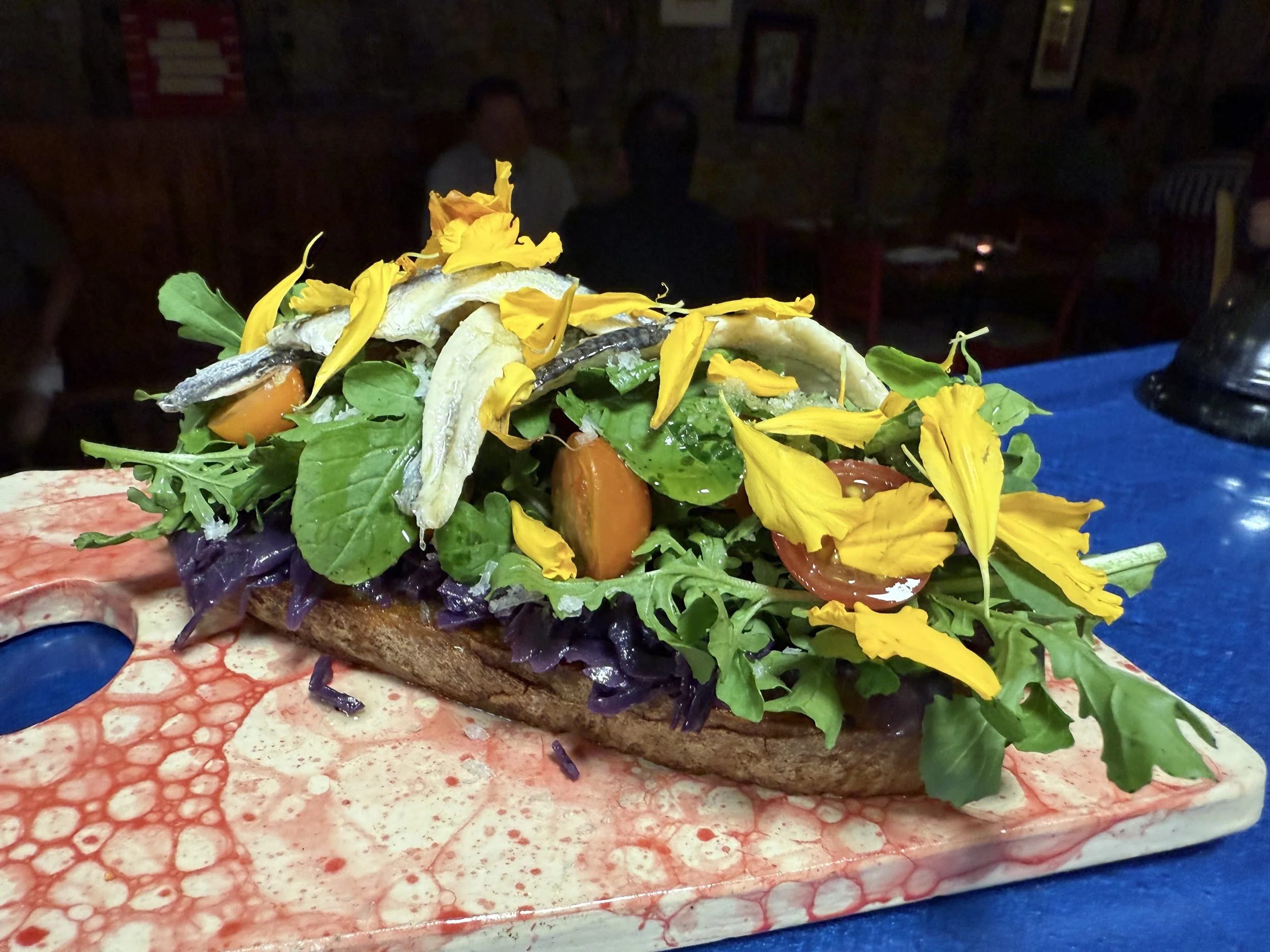
I’m all-in onconservas—beautiful tinned seafood that respects seasonality and technique. Think mussels in escabeche, sardines in olive oil, mackerel with piri-piri, razor clams, cockles, or tuna ventresca. They’re shelf-stable, portion-controlled, and minimize waste; open the tin, warm it briefly in hot water, pour onto a plate, finish with lemon, parsley, good olive oil, and flaky salt. Serve with pan con tomate, potato chips, pickledpiparras, olives, or crusty bread. It’s Iberian soul food that’s fast enough for a midnight snack and special enough for guests.
I’m equally excited aboutthoughtful non-alcoholic aperitivo culture—bitter/herbal spritzes and sippers with adult structure. At home we build NA “spritzes” with chilled tonic or soda, verjus or a citrus-shrub, orange peel, and fresh herbs; tea-based bitters or zero-proof amaro stand in for the bite. These drinks are inclusive without feeling like a compromise: bright, bitter, appetite-opening, and perfect with conservas, salty snacks, and conversation. Big flavor, low waste, and hospitality for everyone.
What’s the strangest food combination you’ve ever tried? And, did you like it?
Anchovy and peanut butter on toast. Late-night staff “dare” turned keeper. I use thick country bread, toasted; a thin smear of natural peanut butter; 1–2 oil-packed anchovy fillets; a kiss of lemon zest, a few chili flakes, and a dot of good olive oil. Sounds wrong—tastes like umami lightning: salty, nutty, a little sweet, fat meeting brine (think Thai peanut sauce and fish sauce, but on toast). Why it works: salt and fat and umami, and a touch of acid. Tweaks: swap almond butter for a lighter profile; use boquerones (vinegar-cured anchovies) for a brighter bite; add paper-thin cucumber or radish for crunch; a tiny drizzle of honey if you like contrast.
What drink do you enjoy most?
An Arnold Palmer—half iced tea, half lemonade—simple, refreshing, perfect.
My ratio: 1:1 over lots of ice. I brew the tea double strength, so it doesn’t taste watery as the ice melts. (Assam or Luzianne for body; green tea if I want it lighter.)
House lemonade: 1 cup fresh lemon juice + 1 cup1:1 simple syrup+ 2 cups cold water. Shake, chill.
Build: Tall glass, ice, tea first then lemonade (the pour gives a nice gradient), lemon wheel and a sprig of mint.
Tweaks: Half-sweet tea for a Southern vibe; sparkling version with a splash of soda; winter version warm with honey. For a grown-up, zero-proof aperitivo feel, add a few drops of NA bitters or a teaspoon of verjus.
Batching for service: 2 quart strong tea and 2 quart lemonade = 16 servings. Hold cold 24–36 hours. Freeze tea ice cubes to prevent dilution.
Food pairing:It crushes rich, spicy plates—especially anything with piri piri—and is unbeatable with salty snacks or conservas.
Have you ever cooked for a celebrity? Do you have a story to tell?
Yes—touring musicians and some familiar faces from sports and media. I’m not big on name-dropping; our quiet rule is no fuss, no photos, just hospitality. The real compliment is when they slip in before a show, eat simply—say, caldo verde and grilled sardines—then come back after the tour with friends. That’s the win for me—not the selfie, but the return visit and the empty plate.
What’s your Instagram so readers can follow you?
@chefgregleon (restaurant: @amilindamke)
Amilinda in Milwaukee, Wisconsin: Meet the Chef
Why should readers visit Amilinda Restaurant in Milwaukee, Wisconsin?
Because it tastes like Iberian Peninsula filtered through Wisconsin farms. We create dishes inspired by Spain and Portugal, infused with our unique vision and style. From Caldo Verde and Piri Pirito seafood, braises, and bright market vegetables using the best of our local producers. The menu evolves every week, everything is made with care, and the room feels like home: warm, intimate, and built around genuine hospitality. You’ll get big flavor without pretense, thoughtful wines and a team that remembers your name. Come hungry, leave happier and feel a little more connected to Milwaukee and the Iberian Peninsula.