

Oysters Explained: The Ultimate Guide to America’s Favorite Shellfish
Oysters are one of the most talked-about foods in America—and one of the most misunderstood. Some people swear by them. Others swear at them. Yet oysters continue to dominate raw bars, coastal menus, and food debates across the country.
So, what actually makes an oyster good? Why do they taste so different depending on where they come from? And which oysters are considered the best in the United States?
Here’s everything you need to know.
What Are Oysters and Why Do People Love Them?
Oysters are saltwater bivalve mollusks that grow along coastlines and estuaries. Unlike most seafood, oysters are often eaten raw, making freshness, water quality, and growing conditions critical to flavor.
People love oysters because no two taste exactly the same. Their flavor reflects the water they grow in—a concept known as terroir, borrowed from wine.
Why Oysters Taste Different by Region
Oysters don’t all taste “fishy.” In fact, many don’t taste fishy at all.
Their flavor is shaped by:
Water temperature
Salinity levels
Plankton and nutrients
Tides and exposure
Cold water oysters tend to be brinier and firmer, while warm water oysters are often milder and softer.
The Three Main Oyster Regions in the United States
East Coast Oysters
East Coast oysters are known for being briny, crisp, and mineral-forward. They’re typically smaller, firmer, and ideal for eating raw.
Popular East Coast oyster regions include:
Massachusetts
Maine
New York
Virginia
These oysters dominate raw bars nationwide due to their consistency and clean finish.
West Coast Oysters
West Coast oysters are often described as creamy, buttery, and mildly sweet. They tend to be larger and softer, with more variation in flavor.
Key West Coast oyster states include:
Washington
Oregon
California
They’re popular with people who prefer richness over sharp salinity.
Gulf Coast Oysters
Gulf oysters are famous for their size and meatiness. They’re commonly used for cooked dishes like grilled oysters, fried oysters, and po’ boys.
Major Gulf oyster regions include:
Louisiana
Texas
Florida
While delicious, Gulf oysters are less commonly served raw due to texture and seasonal considerations.
What Are the Most Popular Types of Oysters?
Despite hundreds of local varieties, most U.S. oysters fall into a few main species:
Eastern Oyster (Crassostrea virginica)
Pacific Oyster (Crassostrea gigas)
Kumamoto Oyster
The species matters, but where the oyster is grown matters more.
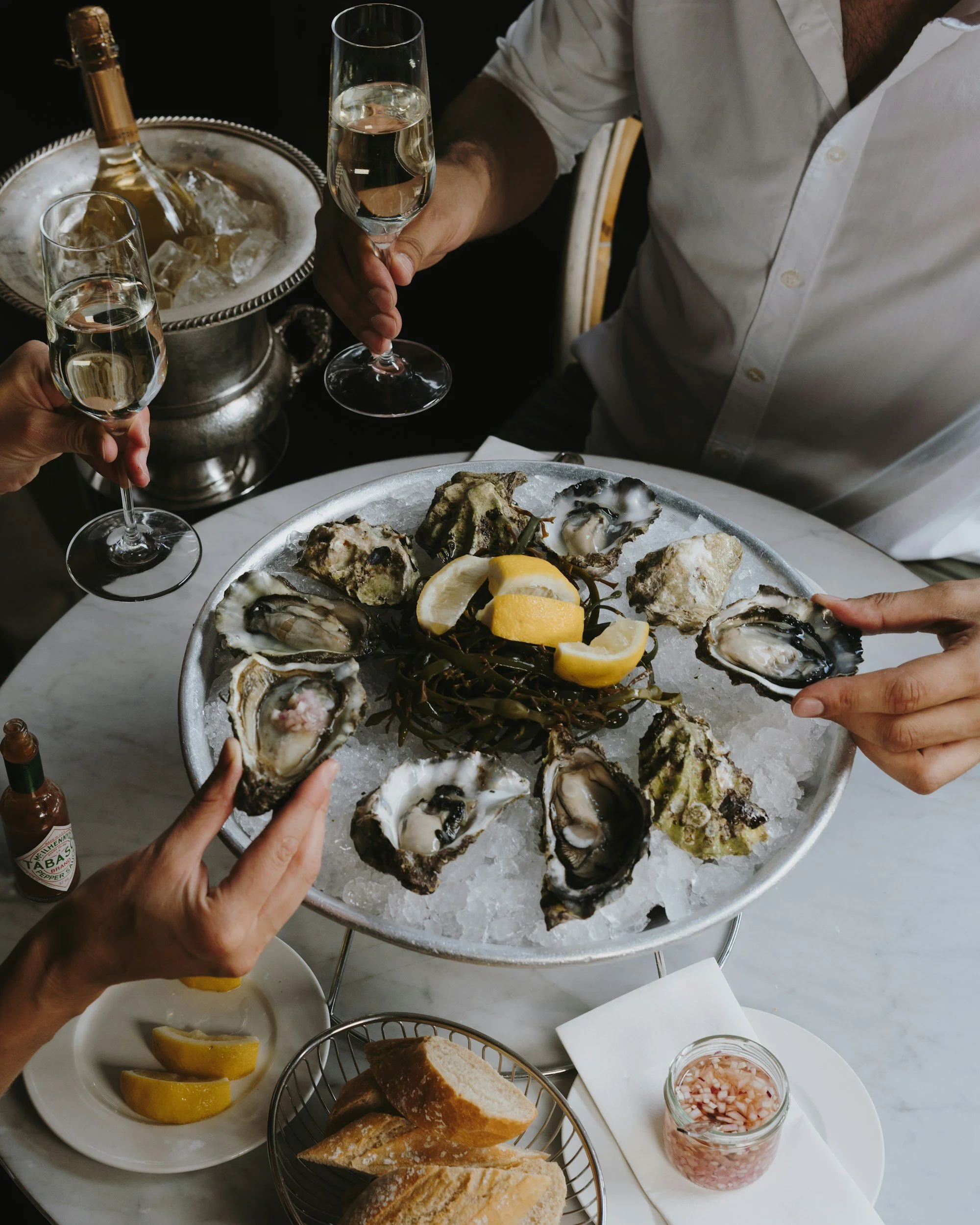
Oysters Explained: The Ultimate Guide to America’s Favorite Shellfish
What Makes an Oyster “The Best”?
The best oysters usually share:
Clean, fresh taste
Balanced salinity
Firm texture
Clear regional character
Freshness is everything. Even the best oyster in the world tastes bad if it’s old.
When Is Oyster Season?
Traditionally, oysters are eaten in months with an “R” (September through April). While modern aquaculture allows year-round availability, cooler months still produce the best texture and flavor, especially for raw oysters.
Are Oysters Healthy?
Yes—oysters are one of the most nutrient-dense seafoods available.
They’re:
High in protein
Rich in zinc
Low in calories
Packed with iron and vitamin B12
How to Eat Oysters (Especially for Beginners)
If you’re new to oysters:
Start with East Coast varieties
Skip heavy sauces initially
Slurp gently—don’t chew aggressively
Pair with crisp white wine or a light beer
Why Oysters Continue to Captivate America
Oysters are more than a food—they’re geography, culture, and opinion in a single bite. Whether you prefer briny Atlantic oysters, creamy Pacific varieties, or bold Gulf oysters, one thing is certain:
Oysters reward curiosity.
And once you find the ones you love, there’s no going back.
FOR FURTHER READING: America’s Best Oysters Come from the East Coast — And the West Coast Knows It