

The West Coast Doesn’t Have “Different” Oysters — It Has Better Ones
The West Coast Doesn’t Have “Different” Oysters
Every time the oyster debate pops up, East Coast loyalists reach for the same script: cold water, brine, tradition. It sounds convincing—until you realize it’s the culinary equivalent of saying vinyl is better because it’s old.
The truth? West Coast oysters aren’t weaker. They’re more evolved. And the fact that they don’t taste like a mouthful of seawater is exactly the point.
Brine Isn’t Complexity — It’s the Starting Line
East Coast oysters pride themselves on salinity. Fair enough. But let’s be honest: brine is the baseline, not the peak.
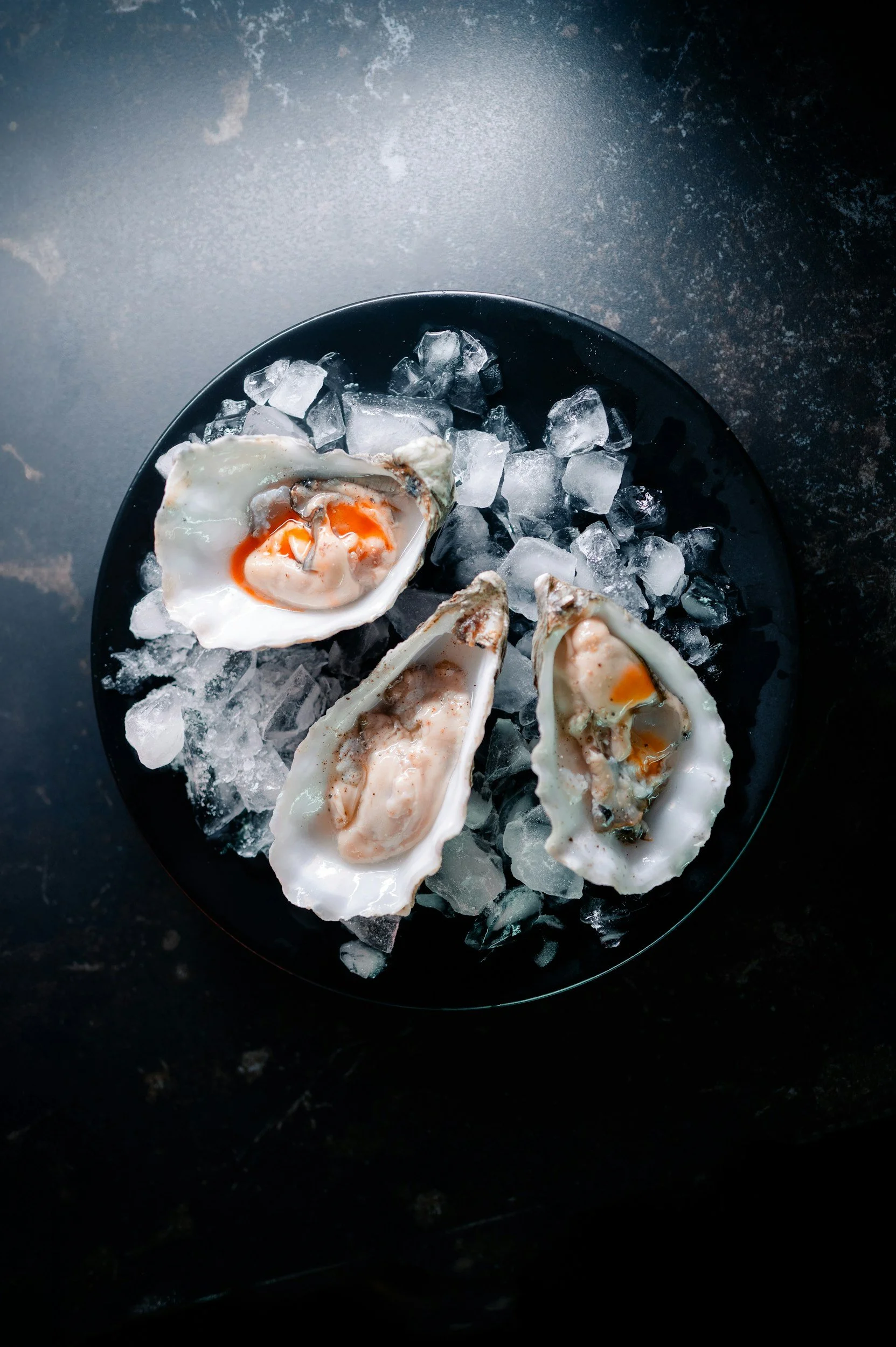
West Coast oysters trade blunt salt for layered flavor—sweetness, vegetal notes, creaminess, and finish.
You don’t need hot sauce or mignonette to make them interesting. They arrive complete.
Calling that “soft” misses the point entirely.
The West Coast Doesn’t Have “Different” Oysters — It Has Better Ones
Washington State: The Center of American Oyster Innovation
If oyster farming had a Silicon Valley, it would be Puget Sound.
Taylor Shellfish, Hama Hama, Kumamoto
Washington producers obsess over technique: tide exposure, tumbling, deep-water suspension, grow-out timing. These aren’t accidents of geography—they’re engineered outcomes.
Kumamotos, now a staple on elite raw bars nationwide, didn’t come from tradition. They came from experimentation. And they changed what Americans expect oysters to taste like.
Creamy Isn’t a Flaw — It’s a Feature
East Coast purists love to knock West Coast oysters as “buttery” like it’s an insult. But in every other food category—cheese, wine, steak—richness is a virtue.
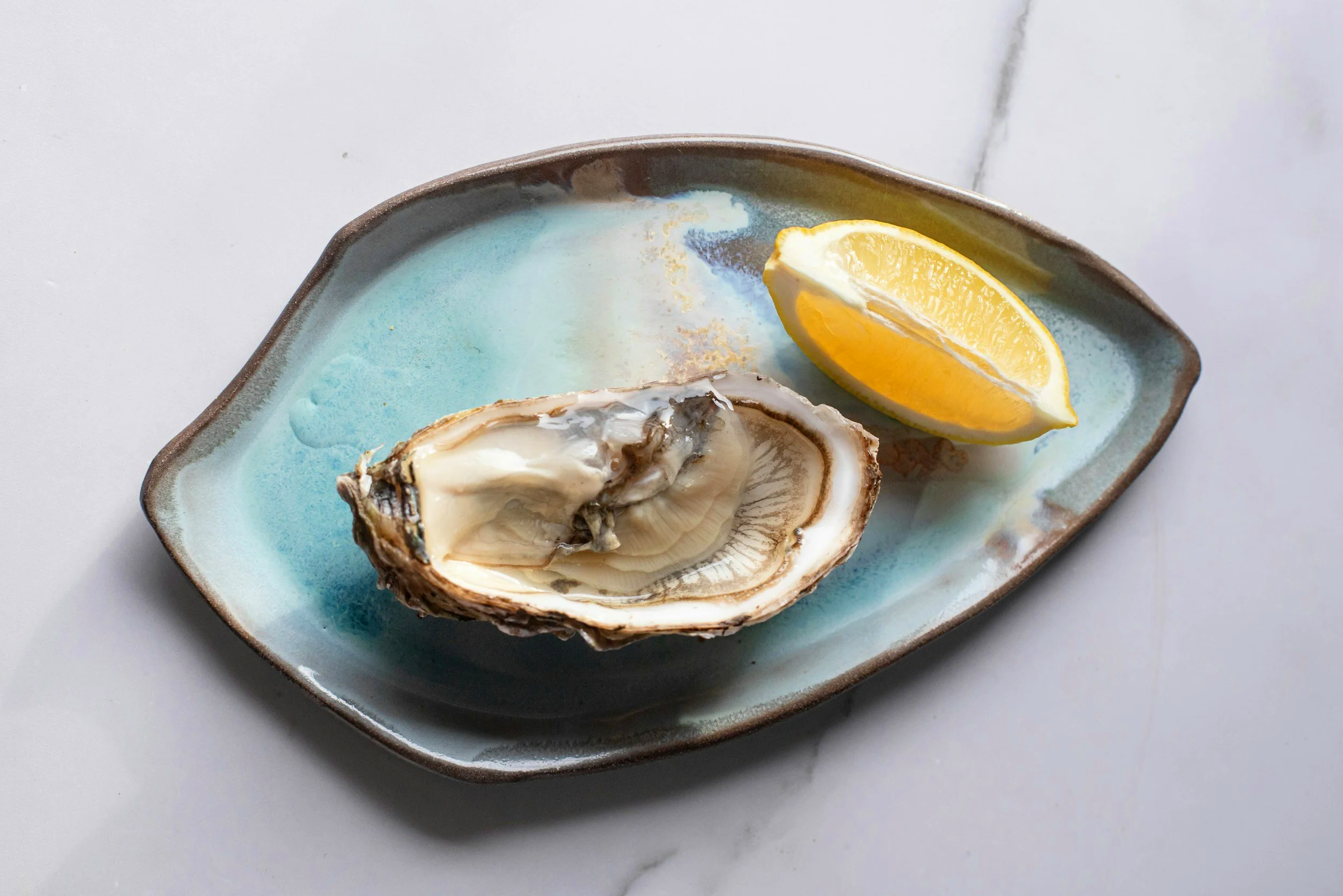
West Coast oysters offer luxury. They coat the palate instead of snapping and disappearing. They’re oysters you sit with, not just slurp and move on from.
That’s not beginner-friendly. That’s deliberate.
California: Precision Over Postal Codes
Yes, California oysters are fewer and more selective—and that’s exactly why they matter.
Hog Island and Beyond
California farms focus on curation, not volume. Hog Island didn’t chase mass distribution; it built a controlled ecosystem where texture and flavor are dialed in obsessively.
The result isn’t inconsistency. It’s intention.
Raw Bars Favor the East Coast — Because It’s Safe
East Coast oysters dominate raw bar menus for the same reason house wines dominate wine lists: they’re predictable.
West Coast oysters demand explanation. They challenge expectations. They don’t fit neatly into a brine-first narrative. That makes them harder to sell—but more rewarding to eat.
Popularity isn’t proof of superiority. Sometimes it’s just inertia.
The West Coast Doesn’t Have “Different” Oysters — It Has Better Ones
The Real Divide Isn’t East vs. West — It’s Old School vs. New School
East Coast oysters represent restraint, repetition, and reverence for tradition.
West Coast oysters represent experimentation, texture, and evolution.
One side values sameness as reliability. The other values variation as expression.
Neither is wrong—but only one is pushing the category forward.
Final Verdict: If You Think the East Coast Wins, You’re Not Wrong — You’re Just Conservative
If you want sharp brine and instant clarity, the East Coast delivers.
But if you want oysters that feel modern, indulgent, and thoughtfully grown, the West Coast is where American oysters are headed—whether purists like it or not.
The future of oysters isn’t saltier.
It’s smarter.