How Troy Turned Its Iron-Age Bones Into a Comeback
5 Reasons to Visit® · United States
How Troy Turned Its Iron-Age Bones Into a Comeback
The old Collar City stopped tearing down its Gilded Age downtown just long enough for the rest of the world to notice how beautiful it was.
Advertisement
Troy, New York, was very nearly demolished into anonymity. In the nineteenth century this city on the east bank of the Hudson, just north of Albany, was an industrial powerhouse — a center of iron, steel, and detachable shirt collars so prosperous it earned the nickname the "Collar City," lined with opulent Victorian and cast-iron commercial buildings paid for by that wealth. Then the industry left, as it did across the Rust Belt, and for decades Troy was a byword for post-industrial decline. What saved it, improbably, was that it was too broke to modernize — so the magnificent old downtown simply stayed standing. Today that accident of preservation has become the foundation of one of Upstate New York's most surprising revivals.
Advertisement
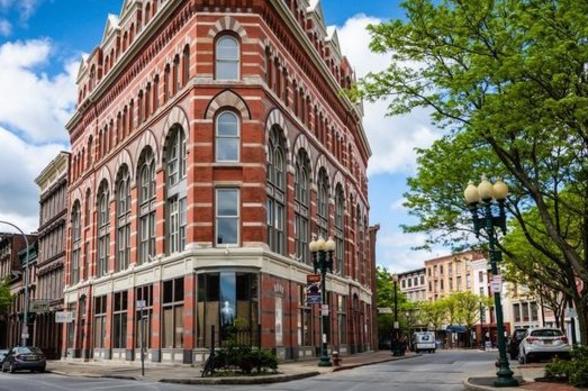
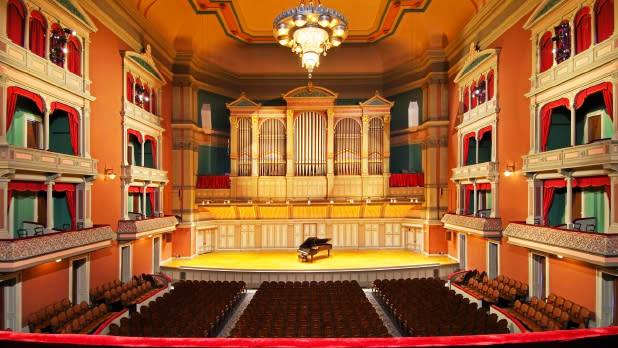
Walk the streets now and the appeal is immediate. Troy possesses one of the most architecturally intact nineteenth-century downtowns in the United States, so complete and unspoiled that filmmakers regularly use it as a stand-in for period New York. The centerpiece is the Troy Savings Bank Music Hall, an 1875 concert hall with acoustics considered among the finest in the world, but the real magic is the cumulative effect of block after block of ornate storefronts now filled with independent restaurants, coffee shops, breweries, galleries, and boutiques. It is a downtown that developers today could never afford to build, handed down nearly whole.
The engine driving the turnaround sits on the hill above it. Rensselaer Polytechnic Institute, one of the oldest and most respected engineering and technology universities in the country, anchors Troy with a steady supply of talent, research, and startup energy, and its presence has helped seed a small but growing tech and innovation economy in the surrounding Capital Region. Where the old Troy exported iron, the new one increasingly exports ideas — and its graduates increasingly stay, drawn by a downtown that finally gives them a reason to.
One of the most intact 19th-century downtowns in America — so complete that film crews use it as a period set.
Advertisement
The riverfront ties it together. Troy sits right on the Hudson, and its revitalized waterfront hosts the Troy Waterfront Farmers Market — one of the most celebrated in the state — which floods the downtown with thousands of visitors on market days and captures the city's civic, food-loving revival in a single morning. Ongoing public investment has been reconnecting the neighborhoods to the river with walkways and mixed-use development, extending the momentum from the historic core outward into a genuinely walkable, waterfront city.
That combination is exactly what has begun drawing new residents, many of them priced out of or worn down by bigger metros — the same downstate exodus reshaping Hudson Valley neighbors like Beacon, New York — and pulled toward the value and character Troy offers. Housing, while rising, remains far cheaper than in downstate New York, and downtown's brownstones and lofts appeal to people who want walkable, historic urbanism without a big-city price tag. Albany's airport and the Amtrak corridor keep the city connected to New York and Boston, and the schools and services have improved alongside the downtown.
Troy still carries the honest scars of its industrial collapse, and the work of ensuring the revival reaches every neighborhood is ongoing and openly discussed. But the fundamental turnaround is real and increasingly recognized. A spectacularly preserved historic downtown, a world-class university powering a new economy, a celebrated riverfront market, and a walkable, affordable urbanism rare in New York State make Troy one of the most rewarding small cities in the Northeast. For the visitor it makes a surprising, atmospheric long weekend. For the growing number choosing to stay, it makes the case for a life in a real city that history nearly erased — which is exactly why they keep discovering it.
Troy, New York: FAQ
Is Troy, New York worth visiting?
Yes. Troy has one of the most intact nineteenth-century downtowns in America, filled with independent restaurants, breweries, and galleries, plus the world-renowned Troy Savings Bank Music Hall, a celebrated riverfront farmers market, and a walkable Hudson River setting. Its preserved architecture makes it a surprising and atmospheric long weekend in Upstate New York.
Why are people moving to Troy, NY?
Troy draws new residents with its beautifully preserved historic downtown, walkable and affordable urbanism rare in New York State, a growing tech economy anchored by Rensselaer Polytechnic Institute, and a revitalized Hudson riverfront. Housing costs far less than in downstate New York, appealing to people seeking character and value.
What is Troy known for?
Troy is known as the 'Collar City' for its nineteenth-century shirt-collar industry, for one of the most architecturally intact Victorian and cast-iron downtowns in the U.S., the acoustically renowned Troy Savings Bank Music Hall, the Troy Waterfront Farmers Market, and Rensselaer Polytechnic Institute.
Is Troy a good place to live?
Troy offers walkable, historic urbanism at a fraction of downstate New York prices, a revitalized downtown full of restaurants and culture, a Hudson riverfront, and a growing economy tied to RPI and the wider Capital Region. Like many revitalizing cities it still works to extend the benefits of its revival to all neighborhoods.
Advertisement