Why New York's First Capital Is Having a Second Act
5 Reasons to Visit® · United States
Why New York's First Capital Is Having a Second Act
New York's original capital spent centuries being overlooked. Now, where the Hudson meets the Catskills, Kingston has become one of the Valley's most magnetic small cities.
Advertisement
Kingston, New York, has been quietly important for a very long time. Sitting where the Rondout Creek meets the Hudson River, at the eastern edge of the Catskill Mountains about ninety miles north of Manhattan, it was the first capital of New York State — the place where the state's first senate met in 1777, before British forces burned much of the town. For the two centuries that followed, Kingston settled into the role of a modest Ulster County seat, rich in history but easy to drive past. In the last decade, that has changed dramatically, and Kingston has emerged as one of the most dynamic small cities in the Hudson Valley.
Advertisement
Its greatest asset is a rare one: not one historic downtown but three, each with a distinct character. Uptown, the Stockade District preserves an eight-block core of pre-Revolutionary Dutch stone houses — the original 1650s settlement — now lined with upscale restaurants, shops, and galleries. Down by the water, the Rondout waterfront district, a nineteenth-century shipping village that had fallen quiet, has been reborn with waterside dining, museums, and boat cruises on the Hudson. And in between, Midtown has become a genuine arts district, its old industrial buildings filling with studios, makers, and creative businesses in a way locals compare to an earlier SoHo.

That creative energy is the engine of the current boom. Kingston's arts-driven revival — anchored by the Midtown Arts District and a steady influx of galleries, restaurants, and cultural spaces — has drawn a wave of artists, entrepreneurs, and remote workers, many of them relocating from New York City in search of space and affordability, echoing the arts-led revival of Beacon, New York downriver. The result is a small city that now supports a cultural and culinary scene far larger than its size would suggest, with the do-it-yourself spirit of a place being remade by the people moving into it.
Three distinct historic districts — Dutch stone, creative Midtown, and a reborn waterfront — in one small city.
Advertisement
The setting is a large part of the draw. Kingston sits at a rare meeting point of river and mountains: the Hudson and its waterfront on one side, the Catskills rising to the west on the other. That means world-class hiking, skiing, and paddling are all within easy reach, while rail trails and waterfront parks bring the outdoors right into the city. Few places in the Northeast put big-mountain wilderness and a historic river city this close together.
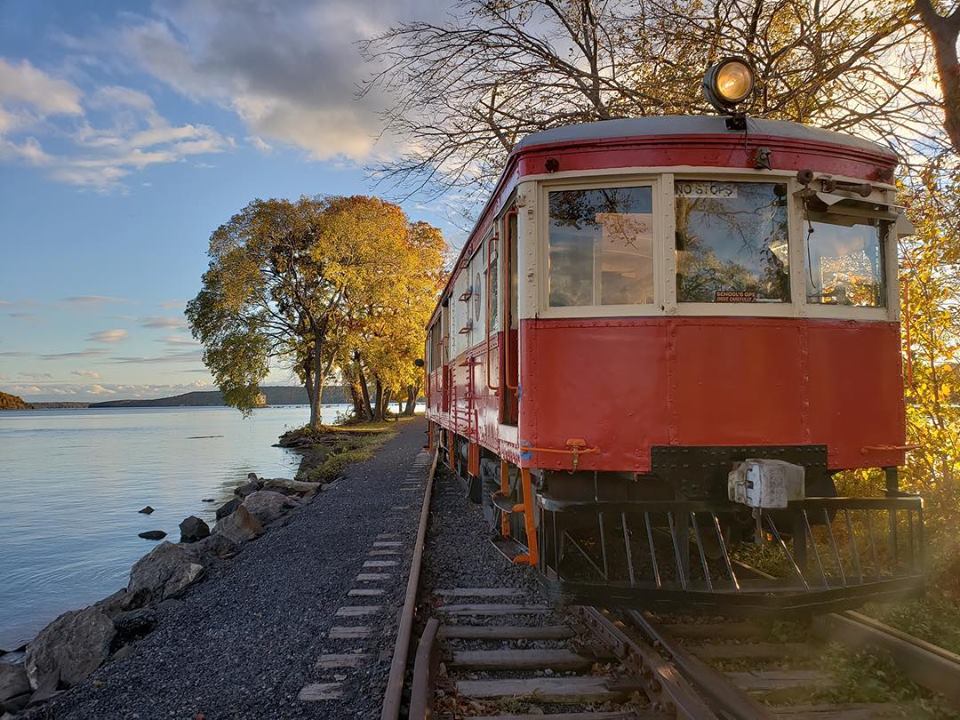
Connectivity has made the migration practical. Kingston sits about ninety miles from New York City and an hour from Albany, with bus service to the city and the wider Hudson Valley rail corridor nearby, close enough to keep a foot in the metropolis while living somewhere altogether calmer. Home values have climbed steadily as full-time residents and second-home buyers from downstate have arrived, drawn by the combination of history, culture, and Catskills access — a value proposition that still undercuts the pricier towns further down the Valley.
Kingston's rapid rise brings the familiar strains of a place in demand, and the city is candid about the pressure on housing and affordability as newcomers arrive. But the underlying appeal has proven powerful and durable. Three walkable historic districts, an arts-driven revival with real momentum, a reborn Hudson waterfront, and the Catskills at the doorstep make Kingston one of the most rewarding small cities in New York. For the visitor it makes a rich, layered long weekend of history, art, and mountains. For the growing number who choose to stay, it makes the case for a second act in a city that has quietly been essential all along — which is exactly why they keep arriving.
Kingston, New York: FAQ
Is Kingston, New York worth visiting?
Yes. Kingston offers three distinct walkable historic districts — the Dutch-era Stockade District, the creative Midtown Arts District, and the reborn Rondout waterfront — plus a strong food and arts scene, Hudson River cruises, and immediate access to the Catskill Mountains. As New York's first capital, it makes a rich, layered long weekend of history, culture, and the outdoors.
Why are people moving to Kingston, NY?
Kingston has drawn a wave of artists, entrepreneurs, and remote workers, many relocating from New York City for more space and affordability. An arts-driven revival, three historic districts, a reborn waterfront, and access to both the Hudson River and the Catskill Mountains — all about 90 miles from Manhattan — have fueled steady demand.
What is Kingston known for?
Kingston is known as the first capital of New York State, for its pre-Revolutionary Dutch stone architecture in the Stockade District, the historic Rondout waterfront, the Midtown Arts District, and its location where the Hudson River meets the Catskill Mountains.
Is Kingston a good place to live?
Kingston offers walkable historic neighborhoods, a growing arts and food scene, a Hudson waterfront, and easy access to the Catskills, all at prices that still undercut pricier Hudson Valley towns further downstate. Like other in-demand small cities, it faces rising housing costs as new residents and second-home buyers arrive.
Advertisement