How Paducah Paid Artists a Dollar a House and Became a UNESCO City
5 Reasons to Visit® · United States
How Paducah Paid Artists a Dollar a House and Became a UNESCO City
A small city at the meeting of two rivers offered artists historic homes for a dollar — and turned itself into one of only nine UNESCO Creative Cities in America.
Advertisement
Paducah, Kentucky, did something in the year 2000 that almost no other American city has tried, and it changed everything. Facing a decayed, half-abandoned historic neighborhood, a pair of local visionaries launched the Artist Relocation Program — an audacious plan that offered working artists from anywhere in the world generous incentives to move to Paducah, including historic homes for as little as one dollar, on the condition that they renovate them into studios and residences. Artists came, the neighborhood was reborn, and this small city at the confluence of the Ohio and Tennessee rivers in far western Kentucky quietly became one of the most creative places in the country.
Advertisement
The payoff was extraordinary. In 2013, Paducah — a city of around twenty-five thousand people — was designated a UNESCO Creative City in Crafts and Folk Art, one of only a handful in the entire United States, placing this Kentucky river town on a global list alongside cities like Beijing, Montreal, and Cairo. It was, and remains, the smallest American city to hold the honor, a testament to how completely creativity has come to define Paducah's identity and economy.
The heart of the transformation is the LowerTown Arts District, the once-crumbling neighborhood the relocation program revived. Today its historic homes hold the studios, galleries, and residences of artists working in nearly every medium, and the area anchors a broader creative community that includes the Paducah School of Art and Design and a steady flow of visiting artists-in-residence from around the world. What was blight became one of the most vibrant artist colonies in the American South.
Historic homes for as little as one dollar — the deal that turned a faded river town into a UNESCO Creative City.
Advertisement
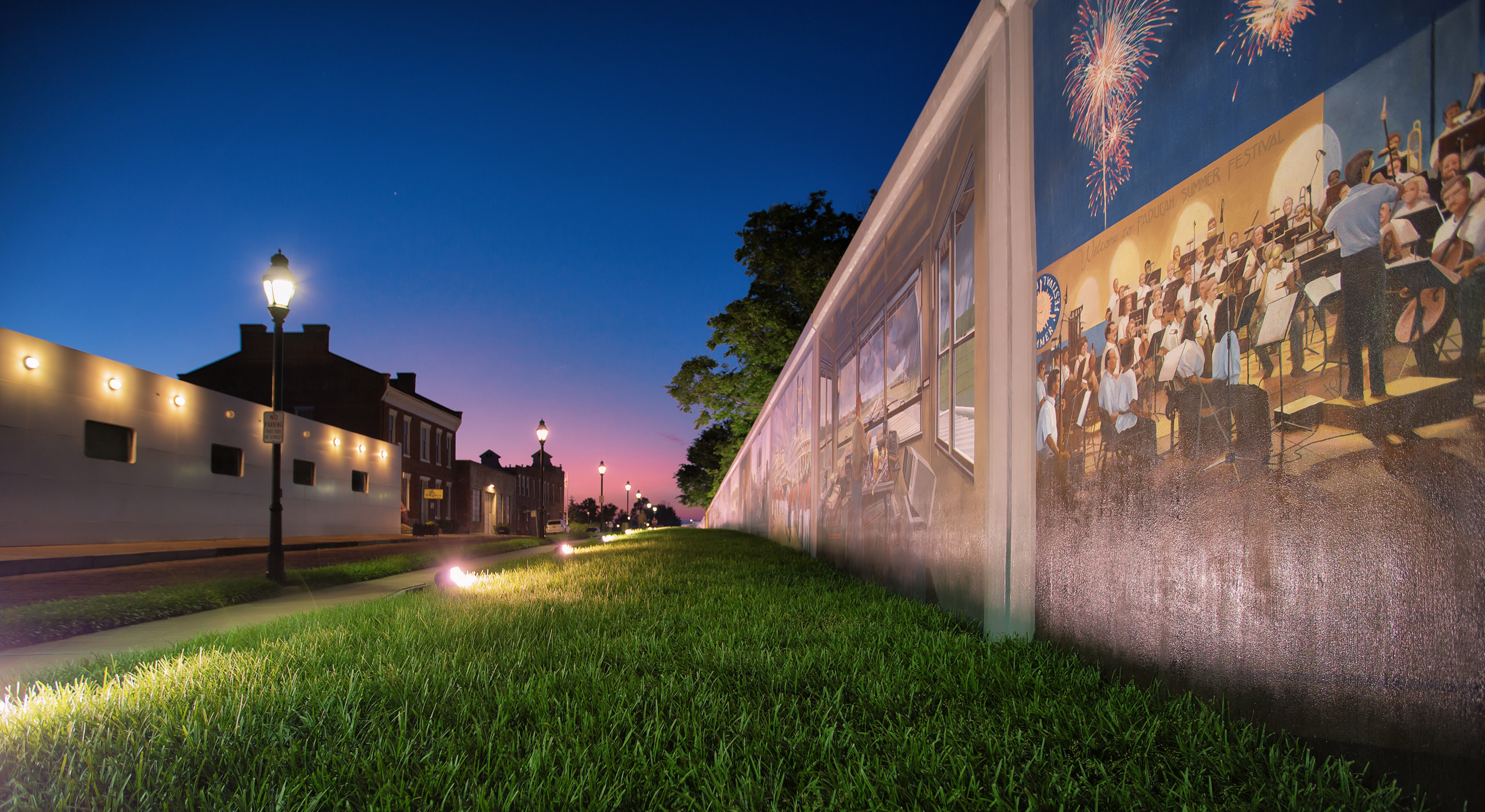
Paducah's creative legacy runs deeper than the program, though. Long known as "Quilt City USA," it is home to the National Quilt Museum — the largest museum of its kind in the world — which draws quilters and fiber artists from across the globe, especially during the massive annual QuiltWeek. Along the Ohio River, the city's floodwall has been transformed into an open-air gallery of some fifty life-sized murals depicting Paducah's history, one of the most striking public-art installations anywhere.
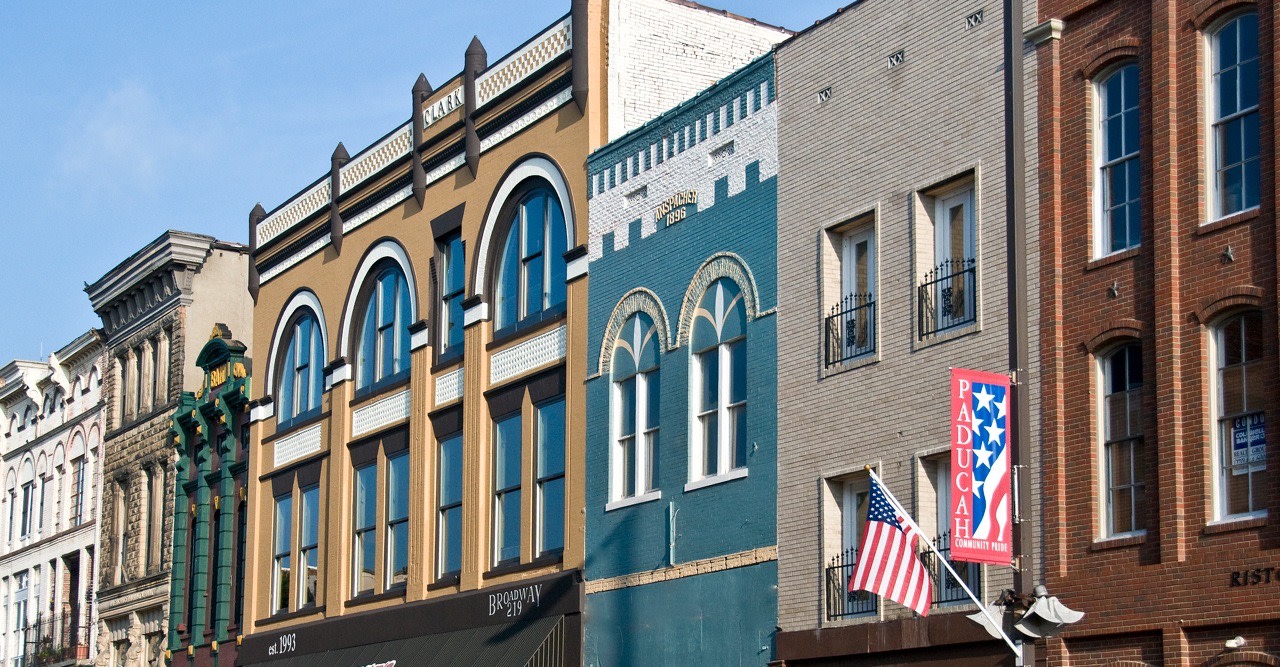
That creativity sits atop a genuinely appealing river city. Paducah's walkable historic downtown, with its preserved architecture, independent restaurants — including James Beard-recognized kitchens — shops, theaters, and a symphony, offers big-city cultural amenities at a small-city scale and cost. Its riverfront location, low cost of living, and creative energy have increasingly drawn not just artists but remote workers, retirees, and entrepreneurs seeking an affordable, culturally rich place to build a life — the same creative-economy pull that revived Bentonville, Arkansas.
Paducah remains a small river city, honest about the challenges of its scale and region. But its story is genuinely one of a kind. A world-famous artist-relocation experiment, a UNESCO Creative City designation, a globally significant quilt museum, riverfront murals, and a walkable, affordable historic downtown have made Paducah one of the most creative small cities in America. For the visitor it makes a rich, art-filled riverside weekend. For the growing number who settle in, it makes the case for a creative life somewhere unexpected and affordable — which is exactly why they keep coming.
Paducah, Kentucky: FAQ
Is Paducah, Kentucky worth visiting?
Yes. Paducah is one of only nine UNESCO Creative Cities in America, home to the National Quilt Museum (the world's largest), the artist-driven LowerTown Arts District, some 50 life-sized floodwall murals along the Ohio River, a walkable historic downtown with acclaimed restaurants and a symphony. It makes a rich, art-filled riverside weekend.
Why did Paducah offer artists one-dollar homes?
In 2000, Paducah launched its Artist Relocation Program, offering working artists generous incentives — including historic homes for as little as one dollar — to move to and renovate the decaying LowerTown neighborhood into studios and residences. The program revived the district and helped Paducah earn a UNESCO Creative City designation in 2013.
Why are people moving to Paducah, KY?
Paducah draws artists, remote workers, retirees, and entrepreneurs with its creative energy, UNESCO Creative City status, walkable historic downtown, riverfront setting, and low cost of living. The famous Artist Relocation Program and a rich crafts-and-quilting culture make it an unusually affordable place to build a creative life.
What is Paducah known for?
Paducah is known as 'Quilt City USA' and one of only nine UNESCO Creative Cities in the U.S., for the National Quilt Museum, its Artist Relocation Program and LowerTown Arts District, its Ohio River floodwall murals, and its walkable historic downtown at the confluence of the Ohio and Tennessee rivers.
Advertisement