How Lancaster Became a Food-and-Arts City in the Heart of Amish Country
5 Reasons to Visit® · United States
How Lancaster Became a Food-and-Arts City in the Heart of Amish Country
Surrounded by Amish farmland, an old Pennsylvania city has become one of the most diverse, walkable, and delicious small downtowns in America.
Advertisement
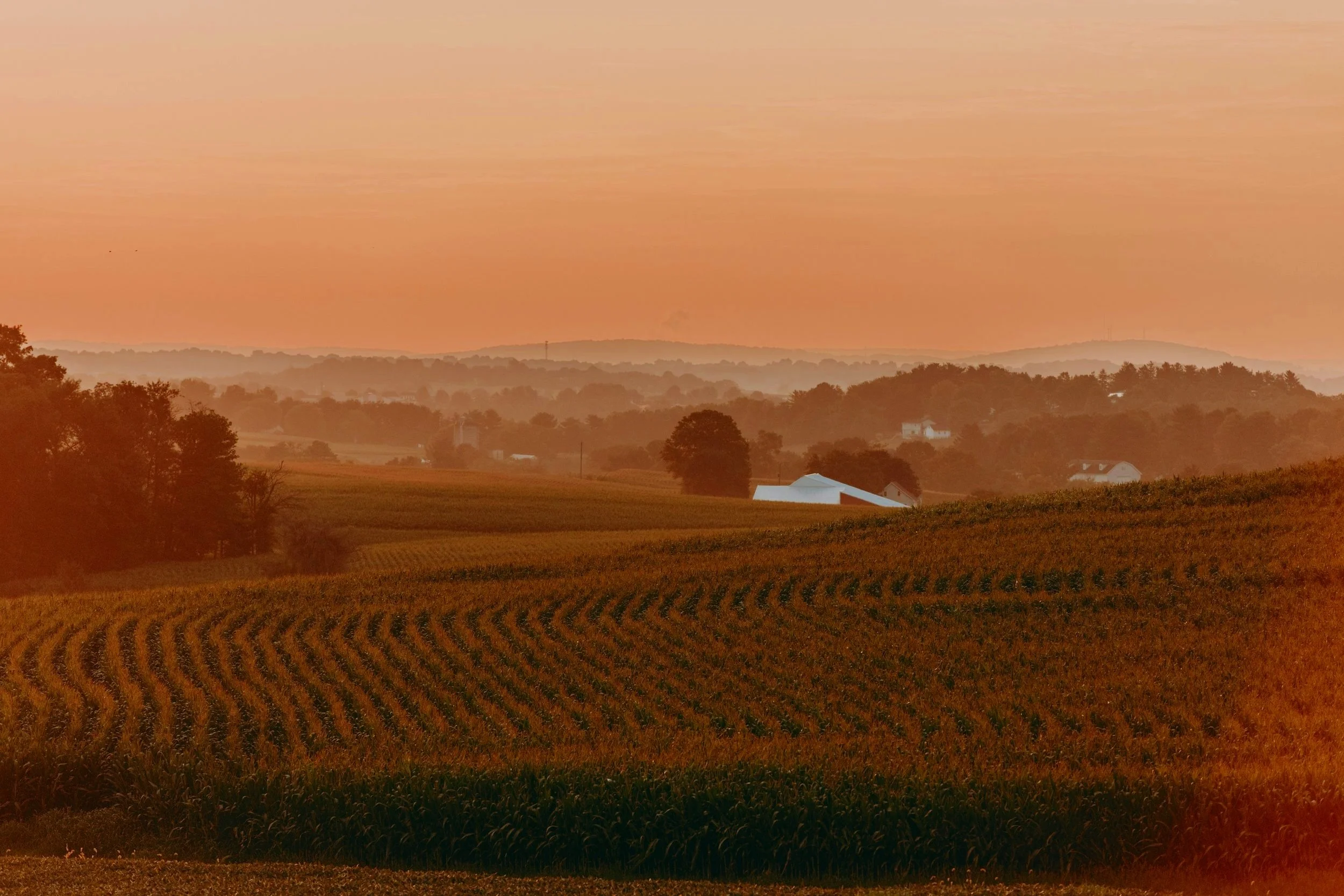
Lancaster, Pennsylvania, confounds expectations. Say the name and most people picture Amish buggies and rolling farmland — and that world is real and close at hand. But at the center of that famously agricultural county sits a small city that has quietly become one of the most surprising food-and-arts destinations in America: walkable, diverse, and delicious, with a downtown energy that rivals cities many times its size. One of the oldest inland cities in the country has reinvented itself for the twenty-first century without losing its deep roots.
Advertisement
The anchor is Central Market. Operating since the 1730s, Lancaster's Central Market is the oldest continuously operating farmers market in the United States, a covered hall in the heart of downtown where Amish and Mennonite farmers sell alongside vendors offering food from around the world. It is the beating heart of the city — a place that captures, in one building, both Lancaster's agricultural heritage and its modern diversity, and a genuine draw for visitors and residents alike.
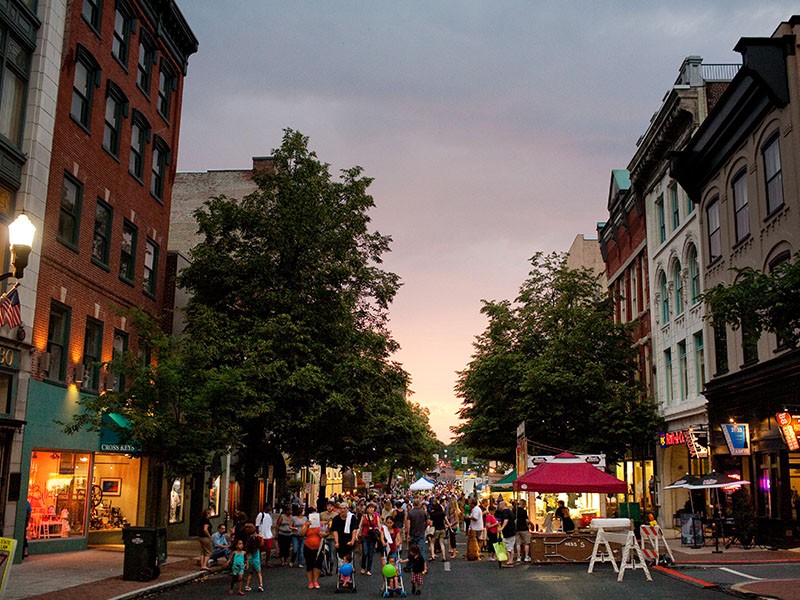
That diversity is a defining, and unexpected, part of Lancaster's story. The city has become one of the most active refugee-resettlement communities in the country per capita, welcoming people from around the globe, and that influx has profoundly enriched its food scene, its culture, and its downtown. The result is a small Pennsylvania city where you can eat your way around the world, its restaurants, markets, and shops reflecting a genuinely international community — a striking contrast to, and complement to, the Pennsylvania Dutch farmland surrounding it.
The oldest continuously operating farmers market in America, in a downtown remade by refugees from around the world.
Advertisement
The arts followed. Lancaster has built a thriving creative scene, with a downtown gallery district, a monthly First Friday art walk, public murals, and a lively music and theater culture, all set among beautifully preserved historic architecture. Independent restaurants, coffee roasters, and craft breweries have filled the walkable streets, and the city has drawn national attention as an unexpectedly sophisticated small-city destination — proof that culture and cuisine aren't the exclusive province of big metros.
The setting and location seal the appeal. Lancaster sits amid some of the richest farmland in America, so extraordinary local food, farm stands, and the distinctive Amish and Mennonite communities are all around, while the city itself remains compact and walkable. It's within easy reach of Philadelphia, Baltimore, and even New York and Washington by rail and highway, giving it big-city access at a small-city cost — and drawing families, remote workers, and people priced out of the East Coast metros.
Lancaster contends with the growth and affordability pressures that come with being discovered, and its revival continues to unfold. But the appeal is genuine and unusually well-rounded. America's oldest farmers market, a globally diverse and celebrated food scene, a thriving arts district, and a walkable historic downtown surrounded by Amish farmland have made Lancaster one of the most surprising small cities in the country. For the visitor it makes a rich, delicious weekend. For the growing number who settle in, it makes the case for a life with world-class food and culture in the heart of Pennsylvania Dutch Country — which is exactly why they keep coming.
Lancaster, Pennsylvania: FAQ
Is Lancaster, Pennsylvania worth visiting?
Yes. Lancaster offers Central Market — the oldest continuously operating farmers market in America — a nationally noticed, globally diverse food scene, a downtown arts district with First Friday art walks and murals, beautifully preserved historic architecture, and the surrounding Amish and Mennonite farmland of Pennsylvania Dutch Country. It makes a rich, delicious weekend.
Why are people moving to Lancaster, PA?
Lancaster offers a walkable, historic downtown with a celebrated food-and-arts scene, remarkable cultural diversity, and access to Philadelphia, Baltimore, and beyond by rail and highway, all at a lower cost than the East Coast metros. It draws families, remote workers, and people priced out of larger cities seeking substance and value — much like nearby Bethlehem, Pennsylvania.
What is Lancaster known for?
Lancaster is known for Central Market (America's oldest farmers market), its location at the heart of Pennsylvania Dutch Country and Amish farmland, its surprisingly diverse and acclaimed food scene shaped partly by refugee resettlement, a thriving downtown arts district, and its well-preserved historic architecture.
Is Lancaster a good place to live?
Lancaster offers a walkable historic downtown, an outstanding and diverse food scene, a strong arts culture, rich surrounding farmland, and rail and highway access to major East Coast cities, at a lower cost than those metros. Like many popular small cities, it faces rising housing costs as more people discover it.
Advertisement