Seeing a Michelin Star next to a restaurant can instantly change the way a traveler looks at a meal. But what does that star actually mean—and what about the other symbols found throughout the MICHELIN Guide?
The system is more detailed than simply labeling restaurants as “good” or “bad.” The MICHELIN Guide uses several distinctions to help travelers understand everything from exceptional cooking to good-value restaurants and notable drinks.
Here’s what to know before making your next reservation.
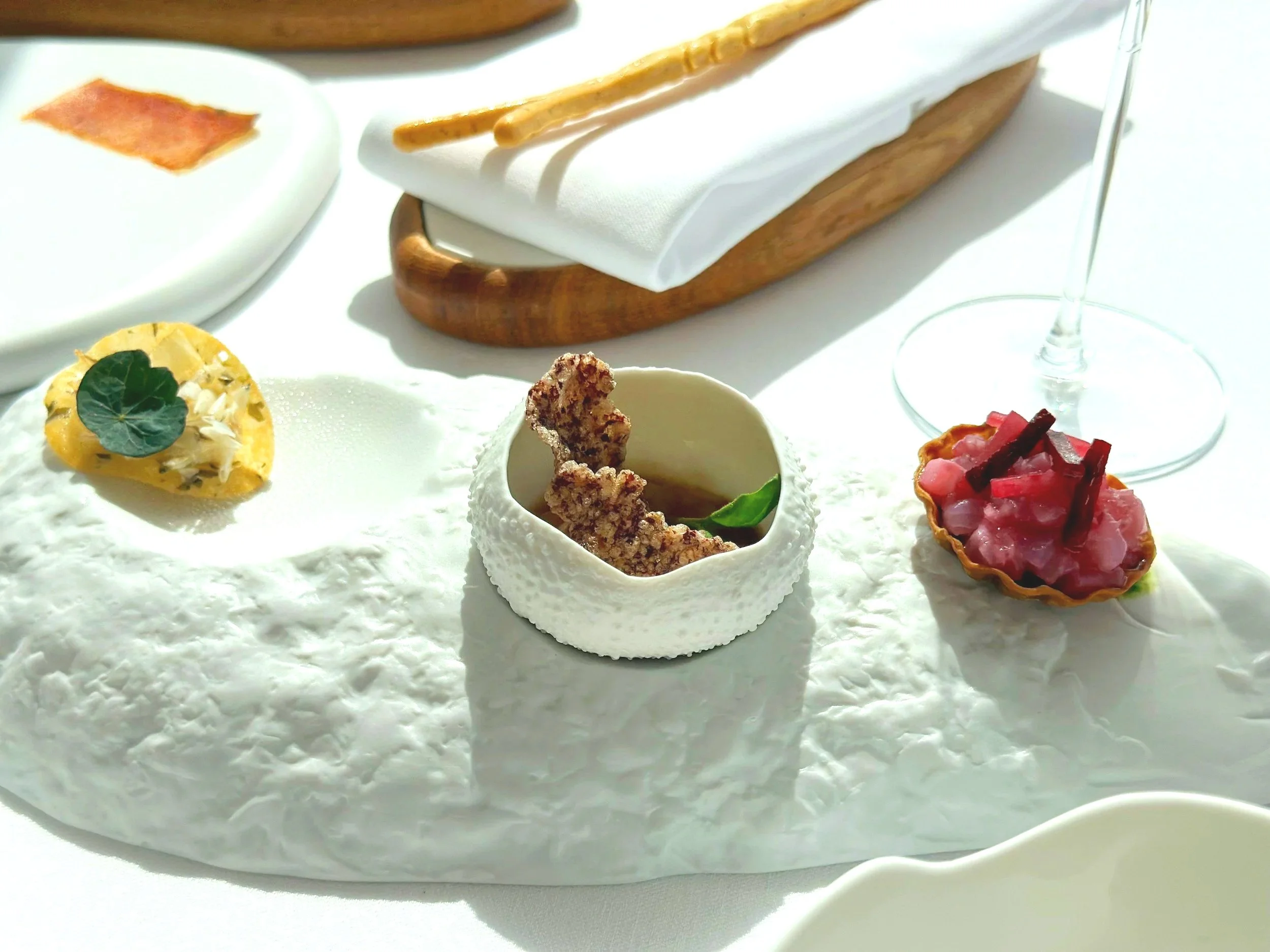
Here’s How the MICHELIN Guide Rates Restaurants
What the MICHELIN Stars Actually Mean
Restaurants in the MICHELIN Guide can receive from zero to three MICHELIN Stars, based on the quality of the food.
Inspectors evaluate restaurants using five criteria: the quality of the ingredients, mastery of cooking and flavor, the personality of the chef expressed through the cuisine, value for money, and consistency between visits.
That means the stars are focused specifically on the food and the overall cooking experience as evaluated through those criteria.
The restaurant’s décor, table settings and service are not part of the criteria used to award the stars. Those aspects are represented separately in the MICHELIN Guide through its “covers” symbol.
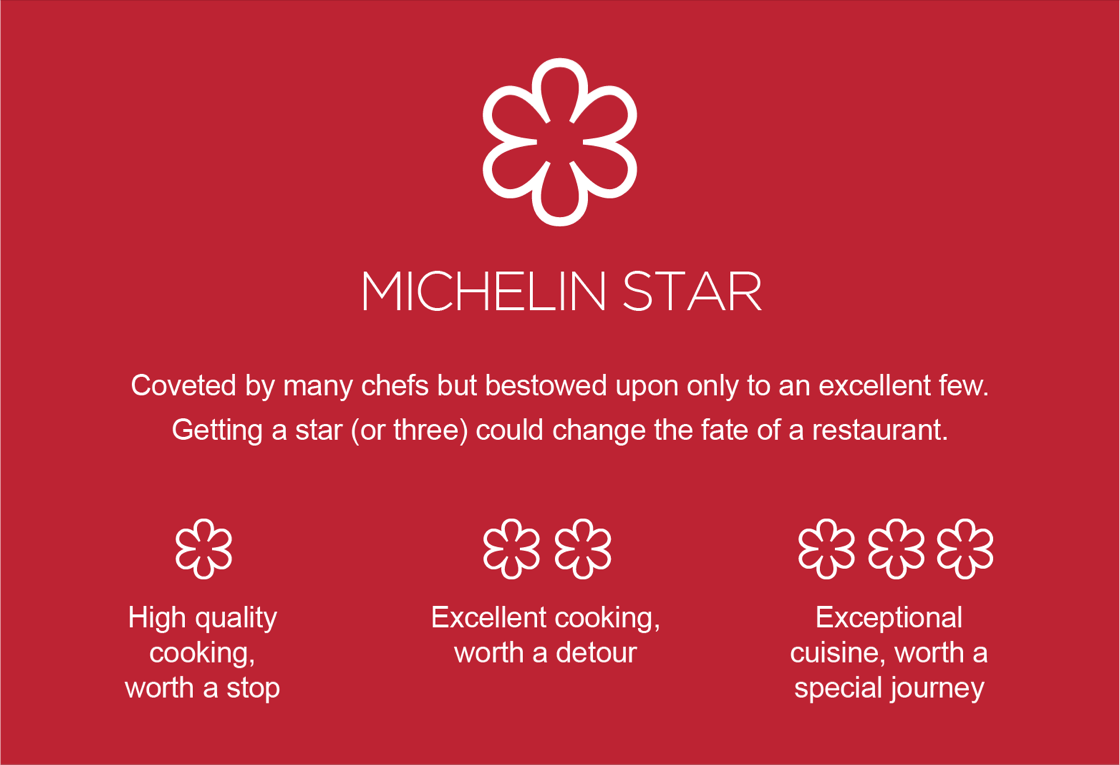
Image Credit: Michelin Guide
The Three-Star Difference
The MICHELIN Guide's star system allows restaurants to receive one, two or three stars, making the distinction between levels particularly important for travelers seeking out highly recognized dining experiences.
Rather than treating a star as a general rating of the entire restaurant, the system is centered on the quality of the cuisine and the consistency of what is served.
For travelers planning a trip around food, that makes Michelin Stars one way to identify restaurants that have received recognition for their cooking while exploring a destination.
Not Every Great Meal Comes With a Star
One of the most useful distinctions in the MICHELIN Guide is the Bib Gourmand.
The Bib Gourmand recognizes restaurants serving good food at moderate prices. It was introduced in 1997 and has become a separate designation for diners looking for quality cooking at a more approachable price.
For travelers, this can be especially useful when a trip includes several restaurant meals. A Bib Gourmand can point toward places where the MICHELIN Guide has identified strong food without the restaurant being part of the Star system.
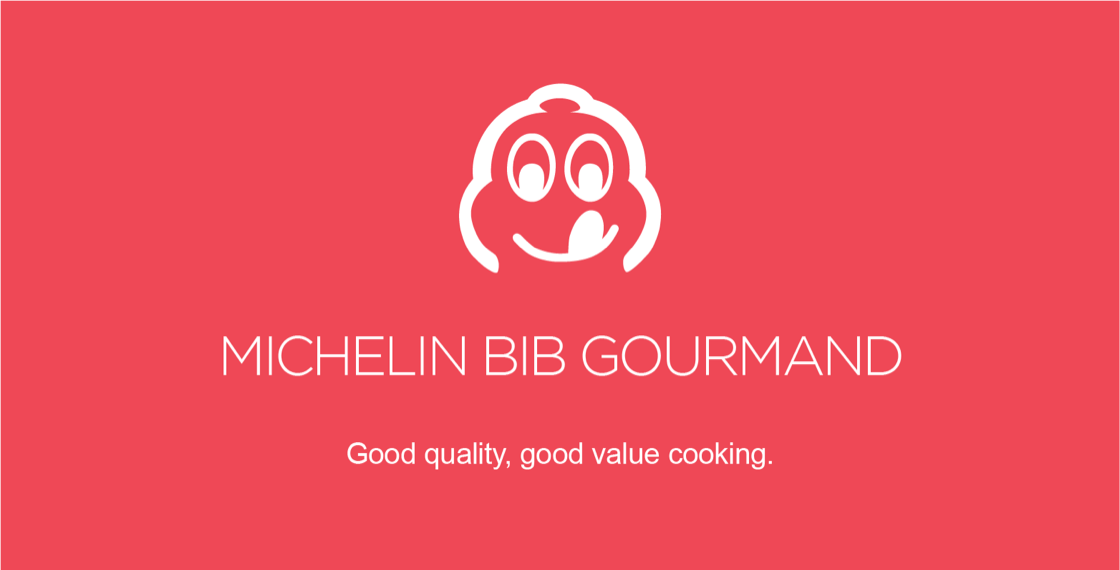
Image Credit: Michelin Guide
What Is The MICHELIN Plate?
There is another designation travelers may encounter: The Plate MICHELIN.
Introduced in the 2016 Paris edition, The Plate recognizes restaurants that simply serve good food.
It is separate from both the Star system and Bib Gourmand, giving diners another way to discover restaurants that have been included in the MICHELIN Guide's selections.
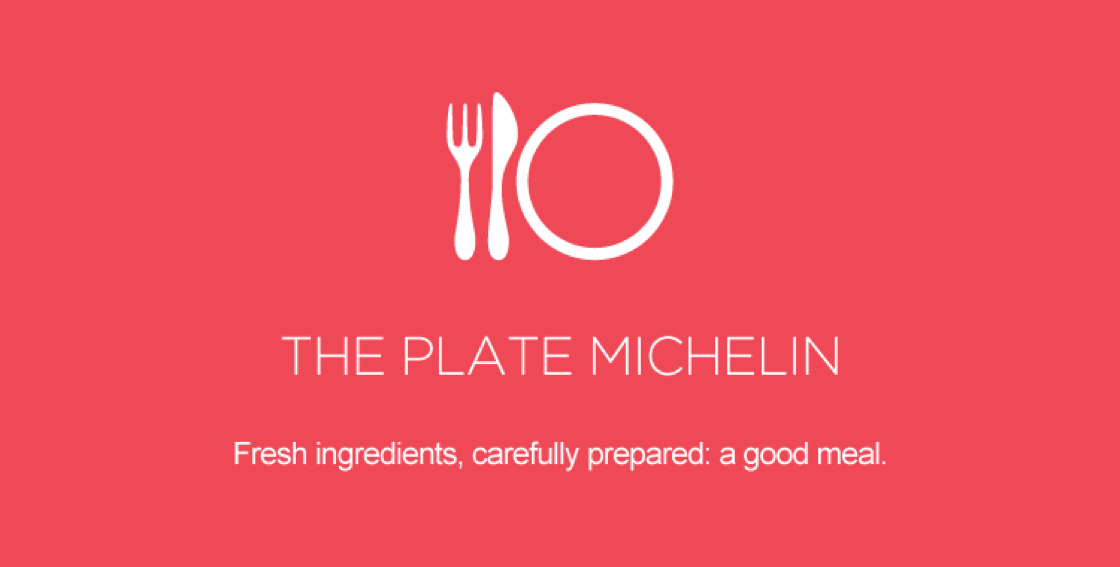
Image Credit: Michelin Guide
Michelin's Symbols Go Beyond Food
The MICHELIN Guide also uses additional symbols to highlight particular aspects of dining in certain destinations.
In Spain, for example, noteworthy tapas establishments can receive a wine-and-toothpick symbol. In the United Kingdom and Ireland, quality pubs can be identified with a beer mug.
Travelers may also encounter symbols highlighting restaurants with notable wine, sake or cocktail selections.
These distinctions can make the MICHELIN Guide useful for more than finding restaurants with Stars. They can also help travelers search for the type of dining experience that fits a particular trip.
A Michelin Star Is Only Part of the Story
The next time you open the MICHELIN Guide while planning a trip, don't look only for the stars.
A restaurant's designation can tell you something different depending on the symbol attached to it—from highly recognized cooking to good-value dining, simply good food or a particularly notable beverage program.
For travelers who build trips around food, understanding those distinctions can make the MICHELIN Guide much more useful—and make discovering where to eat part of the journey itself.
Frequently Asked Questions
What does a MICHELIN Star mean?
A MICHELIN Star recognizes the quality of a restaurant's cooking based on criteria including ingredients, cooking and flavor, the chef's culinary personality, value for money and consistency.
How many MICHELIN Stars can a restaurant receive?
Restaurants can receive from one to three MICHELIN Stars.
Does restaurant service affect its MICHELIN Star?
According to the MICHELIN Guide, inspectors do not use interior décor, table settings or service quality when awarding Stars.
What is a Bib Gourmand?
The Bib Gourmand recognizes restaurants that offer good food at moderate prices.
What is The Plate MICHELIN?
The Plate MICHELIN recognizes restaurants that the MICHELIN Guide considers to simply serve good food.
Does the MICHELIN Guide recognize drinks?
Yes. The MICHELIN Guide uses additional symbols in some destinations to identify restaurants with notable wine, sake and cocktail lists.