How Tulsa Paid Its Way Into a Remote-Work Renaissance
5 Reasons to Visit® · United States
How Tulsa Paid Its Way Into a Remote-Work Renaissance
An oil-boom city with one of the finest Art Deco skylines in America decided to pay remote workers to move in — and quietly engineered one of the country's most successful urban comebacks.
Advertisement
Tulsa, Oklahoma, was built by oil. In the early twentieth century it called itself the "Oil Capital of the World," and the fortunes made in the boom raised one of the most magnificent collections of Art Deco architecture in America — a downtown of ornate towers and terracotta that still stands today. When the oil economy faded, Tulsa faced the slow-growth, talent-losing struggles familiar to many Heartland cities. Its response has become one of the most closely watched urban experiments in the country: Tulsa decided, quite literally, to pay people to move there.
Advertisement
The program is called Tulsa Remote, and it works. Launched in 2018 and funded by a local family foundation, it offers eligible remote workers a $10,000 grant, plus community support, to relocate to Tulsa and stay for at least a year. It has since drawn thousands of new residents from across the country, and the results have been striking: independent studies have found the program returns more than four dollars in local economic benefit for every dollar spent, and the overwhelming majority of participants — more than ninety percent — stay in Tulsa well beyond their required year. What began as a recruitment gimmick became a genuine engine of renewal.
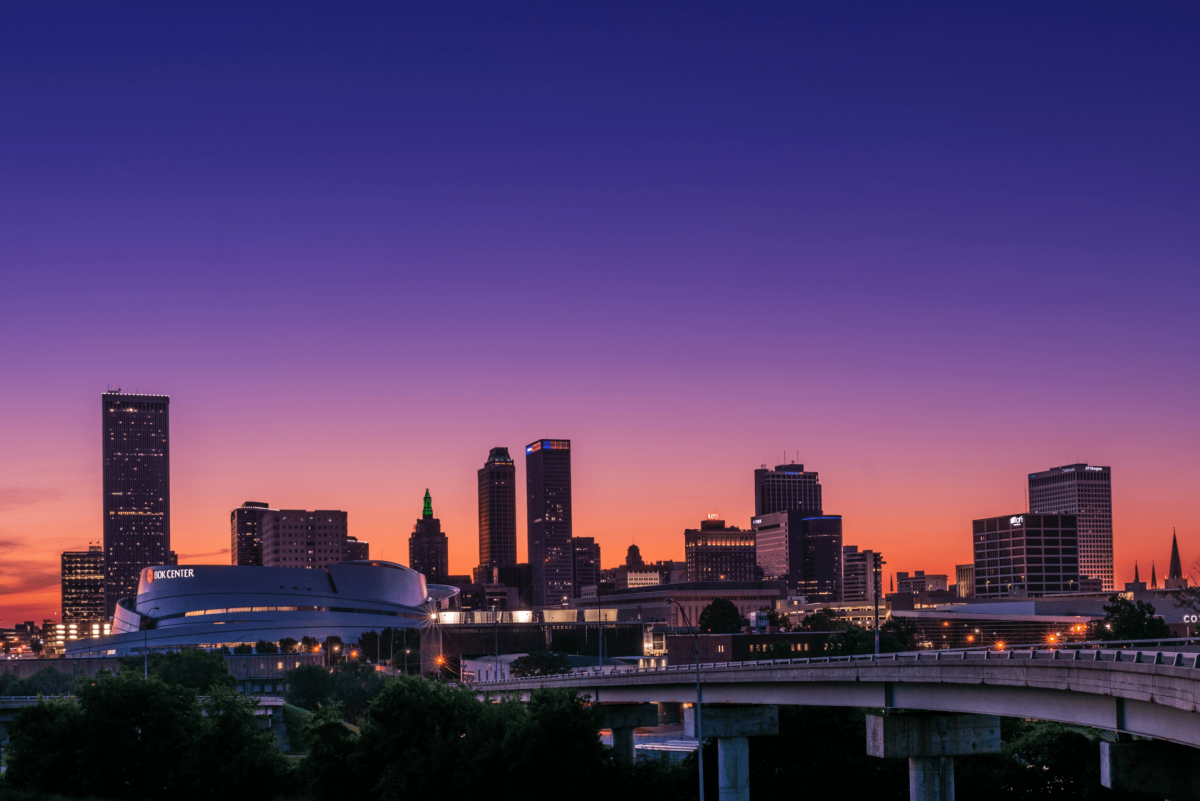
Those newcomers arrived to find a city in the middle of its own revival. Downtown Tulsa and the adjacent Tulsa Arts District have been transformed, their historic and Art Deco buildings filling with restaurants, bars, galleries, music venues, and coworking spaces. The Woody Guthrie Center and Bob Dylan Center anchor a serious music-and-arts scene, and the city's food culture has grown steadily more ambitious. A downtown that had emptied out has become a place people actively want to live.
A $10,000 check, an Art Deco skyline, and a comeback that returns four dollars for every one spent.
Advertisement
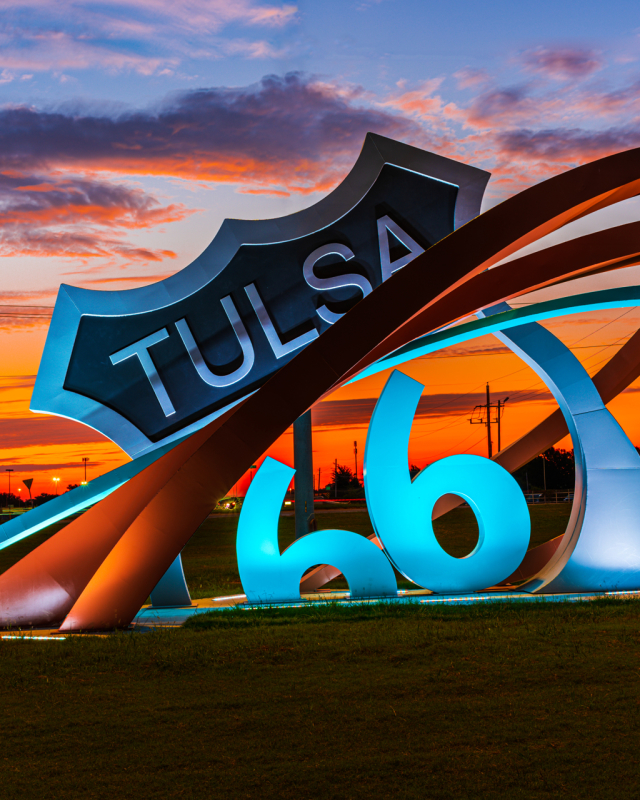
Tulsa has invested heavily in what surrounds the core, too. The Gathering Place — a massive, world-class riverfront park funded by local philanthropy — has been hailed as one of the best public parks in the country, drawing families and visitors to the banks of the Arkansas River. Add the miles of Route 66 running through town, an abundance of parks and trails, and a compact, drivable scale, and Tulsa offers a quality of life that belies its modest national profile.
Value underpins the whole story. Tulsa's cost of living sits well below the national average, and its housing is genuinely affordable — the reason a $10,000 grant goes so far, and why remote workers from expensive coastal cities can dramatically improve their quality of life by moving — a version of the remote-work migration that also reshaped Chattanooga, Tennessee. Beyond the incentive program, that affordability, the walkable revived downtown, and the growing arts scene have made Tulsa a magnet for people rethinking where a remote career can take them.
Tulsa carries its history honestly, including a painful reckoning with its past, and the work of ensuring its revival benefits all its neighborhoods is ongoing and openly discussed. But the comeback is real and increasingly a national model. A famous and successful relocation program, one of the finest Art Deco downtowns in America, a thriving arts district, a world-class park, and genuine affordability have made Tulsa one of the most compelling relocation stories in the country. For the visitor it makes a surprising, architecture-rich weekend. For the thousands who have taken the grant and stayed, it makes the case for a remote-work life somewhere unexpected — which is exactly why they keep coming.
Tulsa, Oklahoma: FAQ
Is Tulsa, Oklahoma worth visiting?
Yes. Tulsa offers one of the finest Art Deco downtowns in America, the revitalized Tulsa Arts District with galleries, music venues, and restaurants, the Woody Guthrie and Bob Dylan centers, the world-class Gathering Place riverfront park, and miles of historic Route 66. It makes a surprising, architecture-rich weekend.
Why are people moving to Tulsa, OK?
Tulsa's famous Tulsa Remote program offers eligible remote workers a $10,000 grant to relocate, and it has drawn thousands of new residents since 2018, with more than 90% staying past their first year. Beyond the incentive, a revitalized downtown, a growing arts scene, and a very low cost of living have made Tulsa a magnet for remote workers.
What is the Tulsa Remote program?
Tulsa Remote is a relocation initiative, launched in 2018 and funded by a local family foundation, that offers eligible remote workers a $10,000 grant plus community support to move to Tulsa and stay at least one year. Studies have found it returns more than four dollars in local economic benefit per dollar spent, and most participants stay well beyond their required year.
Is Tulsa a good place to live?
Tulsa offers a revitalized, walkable Art Deco downtown, a thriving arts district, the acclaimed Gathering Place park, and a cost of living well below the national average with genuinely affordable housing. It has become a national model for attracting remote workers, though the city continues working to ensure its revival benefits all neighborhoods.
Advertisement