The Small Pennsylvania Town Where the Oil Age Began
5 Reasons to Visit® · United States
The Small Pennsylvania Town Where the Oil Age Began
On a creek in northwestern Pennsylvania, the modern world began: the first oil well. Today Titusville pairs that improbable history with a valley made for exploring.
Advertisement
Titusville, Pennsylvania, has a claim to fame few places on earth can match: the modern world, in a real sense, began here. In 1859, on the banks of Oil Creek in this small northwestern-Pennsylvania town, Edwin Drake drilled the first commercially successful oil well in history, launching the petroleum industry and the age it powered. The boom that followed made Titusville, briefly, one of the wealthiest places in America — and that improbable heritage still defines this quiet town in the hills.
Advertisement
The history is genuinely world-class, and it's beautifully told. The Drake Well Museum and Park, on the site of that first well, is one of the most significant industrial-history sites in the country, with a working replica of Drake's derrick and engine house and extensive exhibits on the birth of the oil age. For anyone interested in how the modern world came to be, it's a pilgrimage-worthy destination — and a reminder that this small Pennsylvania town changed the course of global history.
The oil-boom wealth left its mark on the town itself. Titusville's downtown and residential streets hold a legacy of Gilded Age architecture — grand Victorian homes and commercial buildings paid for by the fortunes that gushed out of the ground — giving the small town an unexpected architectural richness. It's a walkable, historic core with the handsome bones of a place that was, for a moment, staggeringly rich.
Where the world's first oil well struck in 1859 — the town that quite literally launched the modern age.
Advertisement
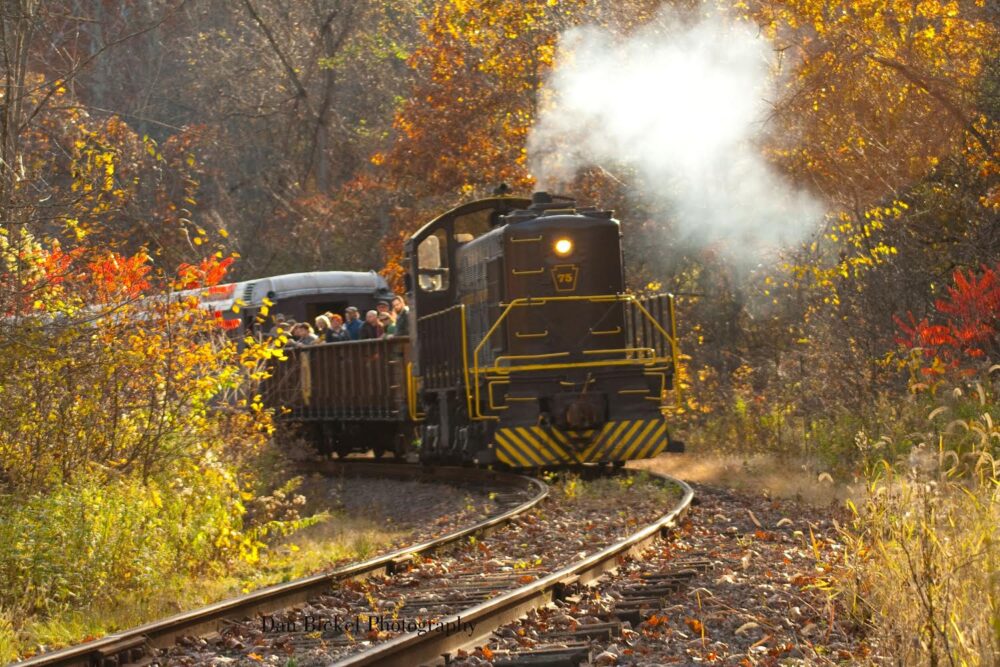
What makes Titusville a destination today, though, is the way that history pairs with the landscape. The Oil Creek & Titusville Railroad runs excursion trains through the scenic Oil Creek valley — past the ghosts of the boomtowns that once lined it — and Oil Creek State Park offers hiking, biking, and paddling through beautiful, reforested countryside that has almost entirely reclaimed the frenzied oil landscape of the 1860s. It's a rare combination: pilgrimage-grade history wrapped in genuine outdoor recreation.
The appeal to newcomers is the classic small-town-value equation. Titusville offers that walkable historic downtown, remarkable heritage, and immediate outdoor access at a genuinely low cost of living, in the quiet hills of northwestern Pennsylvania within reach of Erie and the Great Lakes to the north. For remote workers, retirees, and those seeking an affordable, characterful small-town life, a place with this much history and scenery is an unusual find — much like its Great Lakes neighbor Erie, Pennsylvania.
Titusville is a small town, honest about the limits of a rural economy far from the boom that once defined it. But its appeal is singular. The birthplace of the oil industry, a world-class industrial-history museum, Gilded Age architecture, a steam-train ride through a scenic valley, and small-town affordability have given Titusville a story and a setting unlike anywhere else. For the visitor it makes a fascinating, scenic day. For the growing number who settle in, it makes the case for an affordable, history-rich life where the modern age began — which is exactly why they keep discovering it.
Titusville, Pennsylvania: FAQ
Is Titusville, Pennsylvania worth visiting?
Yes. Titusville is the birthplace of the modern oil industry, home to the Drake Well Museum and Park on the site of the world's first commercial oil well, plus Gilded Age architecture, the Oil Creek & Titusville Railroad steam-train excursions, and Oil Creek State Park for hiking and paddling. It makes a fascinating, scenic day in northwestern Pennsylvania.
Why are people moving to Titusville, PA?
Titusville offers a walkable historic downtown, remarkable oil-heritage history, Gilded Age architecture, and immediate outdoor access at a very low cost of living, in the quiet hills of northwestern Pennsylvania within reach of Erie and the Great Lakes. It appeals to remote workers, retirees, and those seeking an affordable, characterful small-town life.
What is Titusville known for?
Titusville is known as the birthplace of the modern oil industry — Edwin Drake drilled the first commercially successful oil well here in 1859 — and for the Drake Well Museum and Park, its Gilded Age architecture, the Oil Creek & Titusville Railroad, and Oil Creek State Park.
Is Titusville a good place to live?
Titusville offers a walkable historic downtown, world-class oil-heritage history, Gilded Age architecture, and outdoor recreation at a very low cost of living. As a small rural town its job market is limited, which suits remote workers and retirees, but its history, scenery, and affordability are distinctive.
Advertisement