How Paso Robles Became California's Wine Country for the Rest of Us
5 Reasons to Visit® · United States
How Paso Robles Became California's Wine Country for the Rest of Us
Halfway between San Francisco and Los Angeles, a ranching town turned into one of California's great wine regions — with the quality of Napa and, so far, none of the pretension.
Advertisement
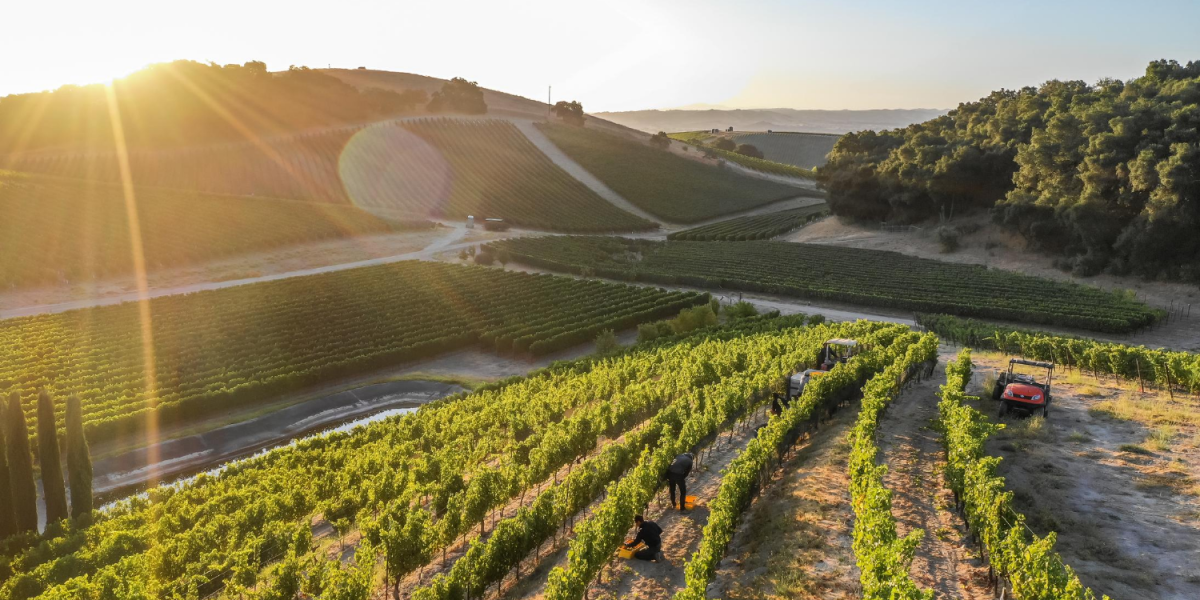
Paso Robles, California, has pulled off one of the more remarkable transformations in American wine. Set almost exactly halfway between San Francisco and Los Angeles, in the oak-studded hills of the Central Coast, this former ranching and almond town has become one of the most dynamic and celebrated wine regions in the state — a place that delivers the quality of Napa Valley with, at least for now, far less of the crowding, cost, and pretension. It has quietly become California wine country for the rest of us, and people are flocking to visit and to stay.
Advertisement
The numbers behind the boom are staggering. The Paso Robles wine region, founded in 1983 with just seventeen wineries on a few thousand acres, has blossomed into more than two hundred and fifty wineries across some forty thousand acres of vines, generating a $2.8 billion economic impact and drawing roughly two and a half million visitors a year. Its Cabernet Sauvignon and Rhône-style wines now win national acclaim — often described as offering Napa-level quality at half the price — and that combination of excellence and value is exactly what's driving the region's rise.
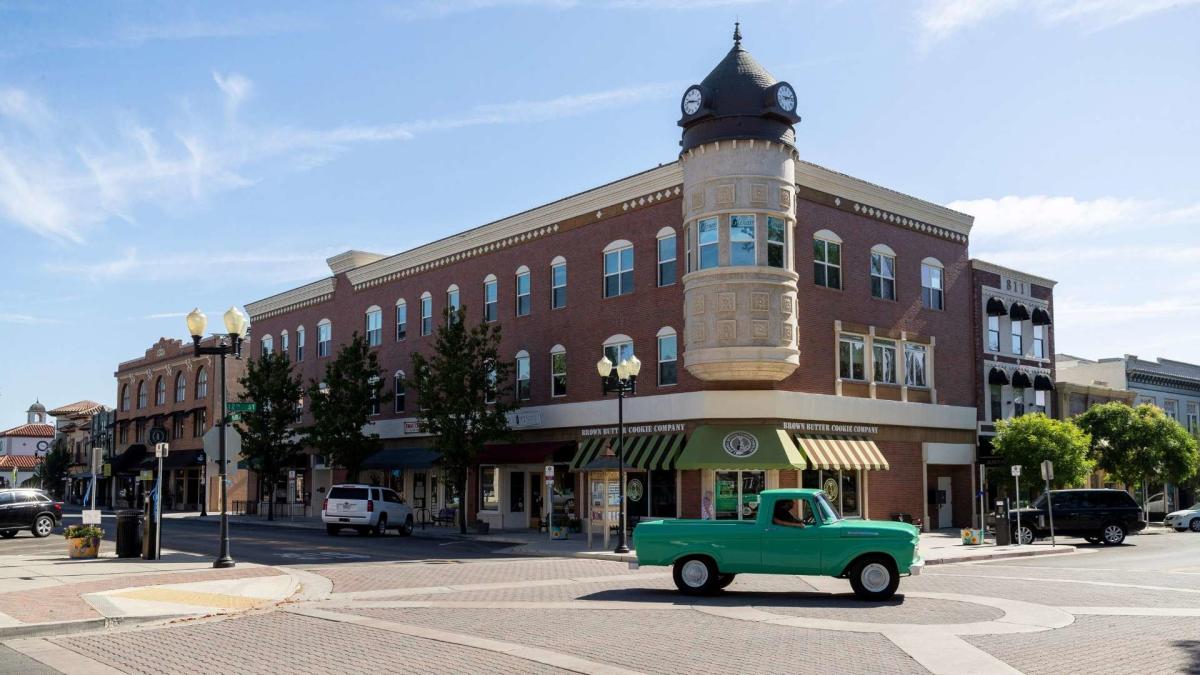
The heart of it all is a genuinely charming downtown. Unlike wine regions where tasting means driving from estate to estate, Paso Robles centers on a walkable downtown square — City Park — ringed by tasting rooms, restaurants, boutiques, coffee shops, and the acclaimed Firestone Walker brewery nearby. You can park once and spend a day on foot, sampling wines and dining well, an accessibility that sets Paso apart from its more sprawling, exclusive counterparts to the north.
Napa-level Cabernet at roughly half the price — 250 wineries around one walkable downtown square.
Advertisement
The experiences have grown as ambitious as the wines. Just outside town, the Sensorio light-and-art installation has become a destination in its own right, filling the hills with immersive fields of light, and the region's calendar overflows with festivals, live music, and farm-to-table dining that draw on the Central Coast's extraordinary agriculture. Add nearby hot springs, olive oil producers, and the dramatic Pacific coastline less than an hour west, and Paso becomes far more than a wine stop.
That appeal has turned Paso Robles into a magnet for new residents. Its Central Coast setting offers a genuine California-country lifestyle — vineyards, oak hills, sunshine, and coastal access — with a real, tourism-and-agriculture-driven economy and home prices well below the coastal metros and the famous northern wine valleys. Remote workers, families, retirees, and wine-industry entrepreneurs have been drawn by that mix of lifestyle, opportunity, and relative value — the same wine-country pull felt in Texas towns like Fredericksburg —, and the region has been notably spared the wildfire disruption that has hit other parts of California.
Paso Robles faces the growth and affordability pressures that success brings, and prices have climbed as the region's star has risen. But the appeal is powerful and, by California standards, still a relative bargain. A world-class and fast-growing wine scene, a walkable downtown square, immersive attractions, and Central Coast living at a fraction of Napa's cost have made Paso Robles one of the most sought-after destinations in the state. For the visitor it makes an unforgettable, unpretentious wine-country escape. For the growing number who settle in, it makes the case for California wine-country life without the California wine-country price tag — which is exactly why they keep coming.
Paso Robles, California: FAQ
Is Paso Robles, California worth visiting?
Yes. Paso Robles offers more than 250 wineries producing acclaimed Cabernet and Rhône-style wines, a walkable downtown square (City Park) ringed by tasting rooms and restaurants, the immersive Sensorio light installation, Firestone Walker brewery, and the Pacific coast less than an hour away. It makes an unforgettable, unpretentious wine-country escape on California's Central Coast.
Why are people moving to Paso Robles, CA?
Paso Robles offers a genuine California wine-country lifestyle — vineyards, oak hills, sunshine, and coastal access — with a real tourism-and-agriculture economy and home prices well below the coastal metros and northern wine valleys. It draws remote workers, families, retirees, and wine entrepreneurs seeking lifestyle and relative value, midway between San Francisco and Los Angeles.
What is Paso Robles known for?
Paso Robles is known as a booming Central Coast wine region with 250-plus wineries famous for Cabernet Sauvignon and Rhône-style wines — often called Napa-quality at half the price — plus a walkable downtown square, the Sensorio light installation, Firestone Walker brewery, and its location halfway between San Francisco and Los Angeles.
Is Paso Robles a good place to live?
Paso Robles offers a walkable downtown, world-class wine country, Central Coast scenery and coastal access, and a tourism-and-agriculture economy, at home prices below California's coastal metros and northern wine valleys. Prices have risen with its popularity, but it remains a relative value with a strong quality of life by California standards.
Advertisement