How a German River Town Became One of Texas's Fastest-Growing Cities
5 Reasons to Visit® · United States
How a German River Town Became One of Texas's Fastest-Growing Cities
Founded by German settlers on two of the clearest rivers in Texas, this Hill Country town has ridden the I-35 boom into one of the fastest-growing cities in the country.
Advertisement
New Braunfels, Texas, was founded in 1845 by German immigrants who named it for their home city and built a town on a bend where two extraordinarily clear, spring-fed rivers — the Comal and the Guadalupe — run through the southern edge of the Hill Country. For most of its history it was a quiet German-Texan community best known as a summer tubing destination between Austin and San Antonio. In the last decade, it has become something else entirely: one of the fastest-growing cities in the United States, riding the explosive expansion of the I-35 corridor.
Advertisement
The rivers remain the soul of the place. The Comal, the shortest river in Texas, and the spring-fed Guadalupe draw crowds all summer for tubing, kayaking, and swimming in water that stays cool and clear year-round, while Landa Park and the Comal Springs anchor a genuinely lovely riverfront in the heart of town. Add the enormous Schlitterbahn waterpark and a calendar of river festivals, and New Braunfels has long been one of Central Texas's favorite places to cool off.
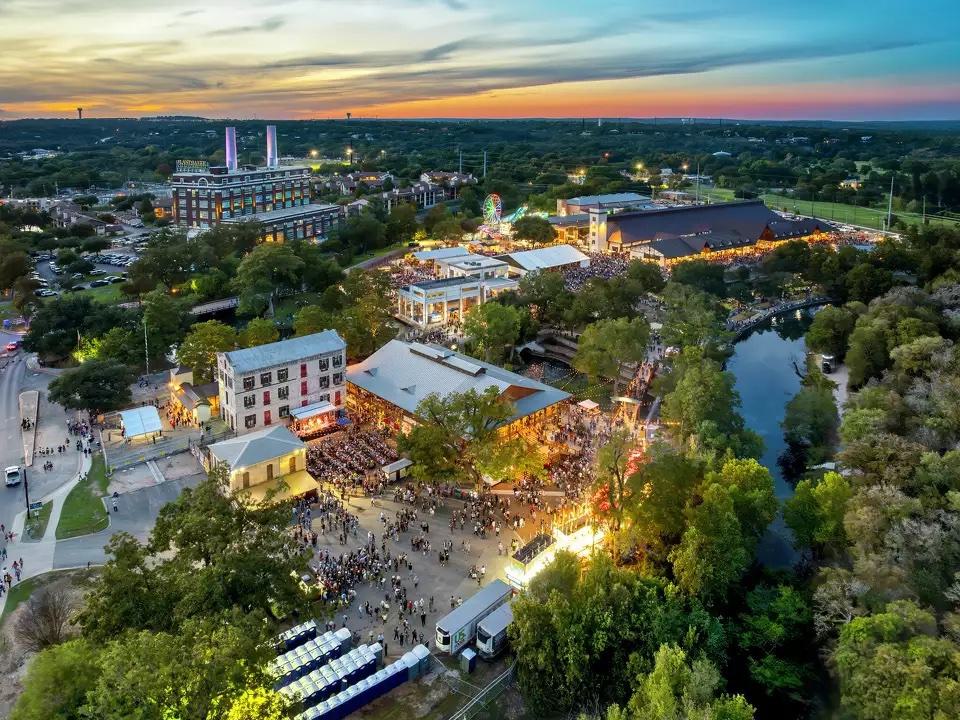
Its German heritage gives it a character few Texas cities can match. The historic downtown and, especially, the Gruene district — a lovingly preserved nineteenth-century village on the National Register — keep the town's roots visible: Gruene Hall, the oldest continually operating dance hall in Texas, still hosts live music the way it has for well over a century, surrounded by historic storefronts, restaurants, and wineries. The annual Wurstfest sausage-and-beer festival draws visitors from across the state, a joyful expression of a heritage the city has carefully kept alive.
Two spring-fed rivers, a 150-year-old dance hall, and a front-row seat on the fastest-growing corridor in Texas.
Advertisement
What has turned a beloved weekend town into a boomtown is location. New Braunfels sits squarely in the Austin-San Antonio corridor, one of the fastest-growing megaregions in the country, close enough to both cities to draw commuters, remote workers, and relocating businesses seeking Hill Country living at a lower cost. The result has been staggering population growth, as families priced out of Austin and drawn by the rivers, the heritage, and the small-town feel — the same Hill Country migration reshaping nearby Fredericksburg, Texas — have arrived in waves.
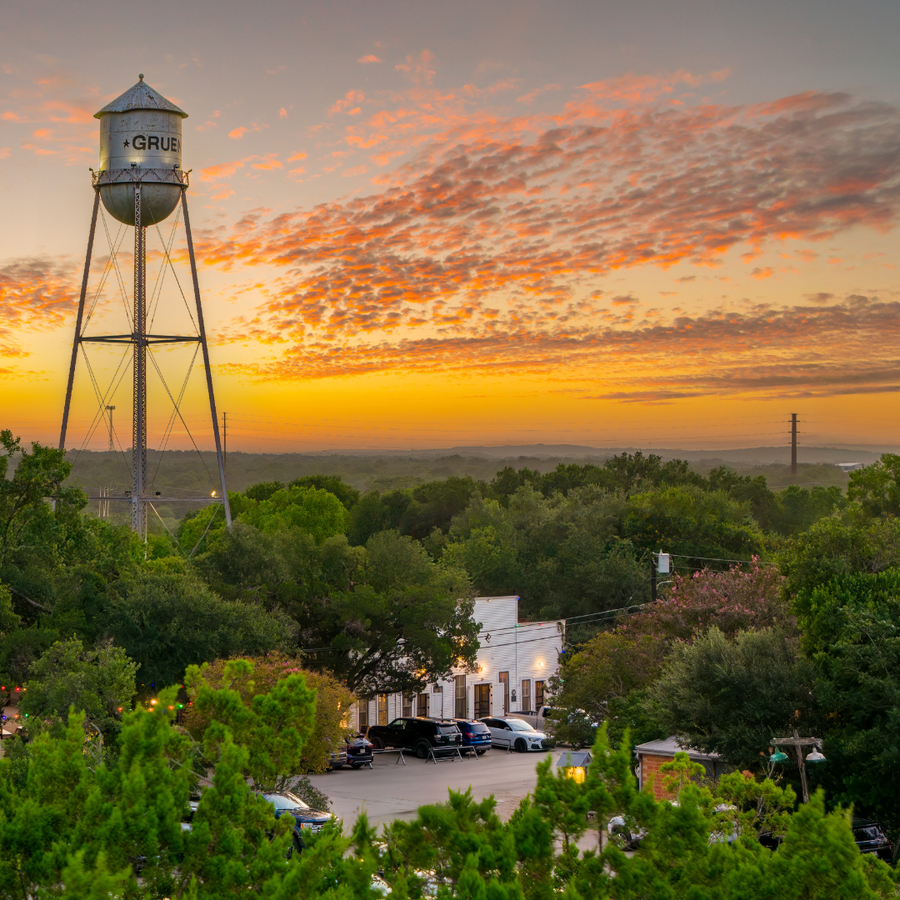
The fundamentals support the migration. Texas's no-income-tax advantage, a central location with easy access to two major cities and their airports, a historic and walkable core, and a quality of life built around the water make New Braunfels an easy sell. Housing has risen sharply with demand but still generally undercuts Austin, and the surrounding Hill Country offers wineries, state parks, and scenery just beyond the city limits.
New Braunfels wrestles openly with the strains of its own popularity — traffic, rapid development, and the challenge of protecting the very rivers and heritage that make it special. But the appeal is undeniable and clearly durable. Two beautiful spring-fed rivers, a deep and living German heritage, a historic downtown and dance hall, and a front-row seat on the booming Austin-San Antonio corridor make New Braunfels one of the most distinctive small cities in Texas. For the visitor it makes a classic Hill Country escape. For the growing number who stay, it makes the case for a life on the water between two great cities — which is exactly why they keep coming.
New Braunfels, Texas: FAQ
Is New Braunfels, Texas worth visiting?
Yes. New Braunfels offers two spring-fed rivers — the Comal and Guadalupe — for tubing and kayaking, the enormous Schlitterbahn waterpark, the historic Gruene district with the oldest dance hall in Texas, deep German heritage celebrated at the annual Wurstfest, and a location in the Hill Country between Austin and San Antonio. It makes a classic Texas escape.
Why are people moving to New Braunfels?
New Braunfels sits in the booming Austin-San Antonio corridor, one of the fastest-growing regions in the U.S., drawing families and remote workers priced out of Austin who want Hill Country living, spring-fed rivers, German heritage, and small-town character. Texas has no state income tax, and the city offers easy access to two major metros.
What is New Braunfels known for?
New Braunfels is known for tubing on the Comal and Guadalupe rivers, the Schlitterbahn waterpark, its German heritage and the Wurstfest festival, the historic Gruene district and Gruene Hall — the oldest dance hall in Texas — and its rapid growth in the Hill Country.
Is New Braunfels a good place to live?
New Braunfels is one of the fastest-growing cities in the U.S., offering spring-fed rivers, a historic and walkable core, German heritage, and Hill Country scenery, with easy access to Austin and San Antonio and no state income tax. Housing has risen with demand but generally undercuts Austin, and the city works to manage rapid growth.
Advertisement