The Limestone City Where Canada Began, on the Edge of the Thousand Islands
5 Reasons to Visit® · United States
The Limestone City Where Canada Began, on the Edge of the Thousand Islands
Where Lake Ontario flows into the St. Lawrence, a grand limestone city — Canada's first capital — pairs deep history, a lively student energy, and the gateway to the Thousand Islands right on the U.S. border.
Advertisement
Kingston, Ontario, sits at one of the most strategic and scenic spots in the country: where Lake Ontario empties into the St. Lawrence River, at the gateway to the famed Thousand Islands and directly across the water from New York State. Known as the Limestone City for its wealth of grand 19th-century limestone buildings, and once the first capital of a united Canada, Kingston pairs deep national history with a lively waterfront, a strong university energy, and an easy border location — a combination that has made this city of roughly 130,000 one of the most appealing mid-sized places in Ontario.
Advertisement
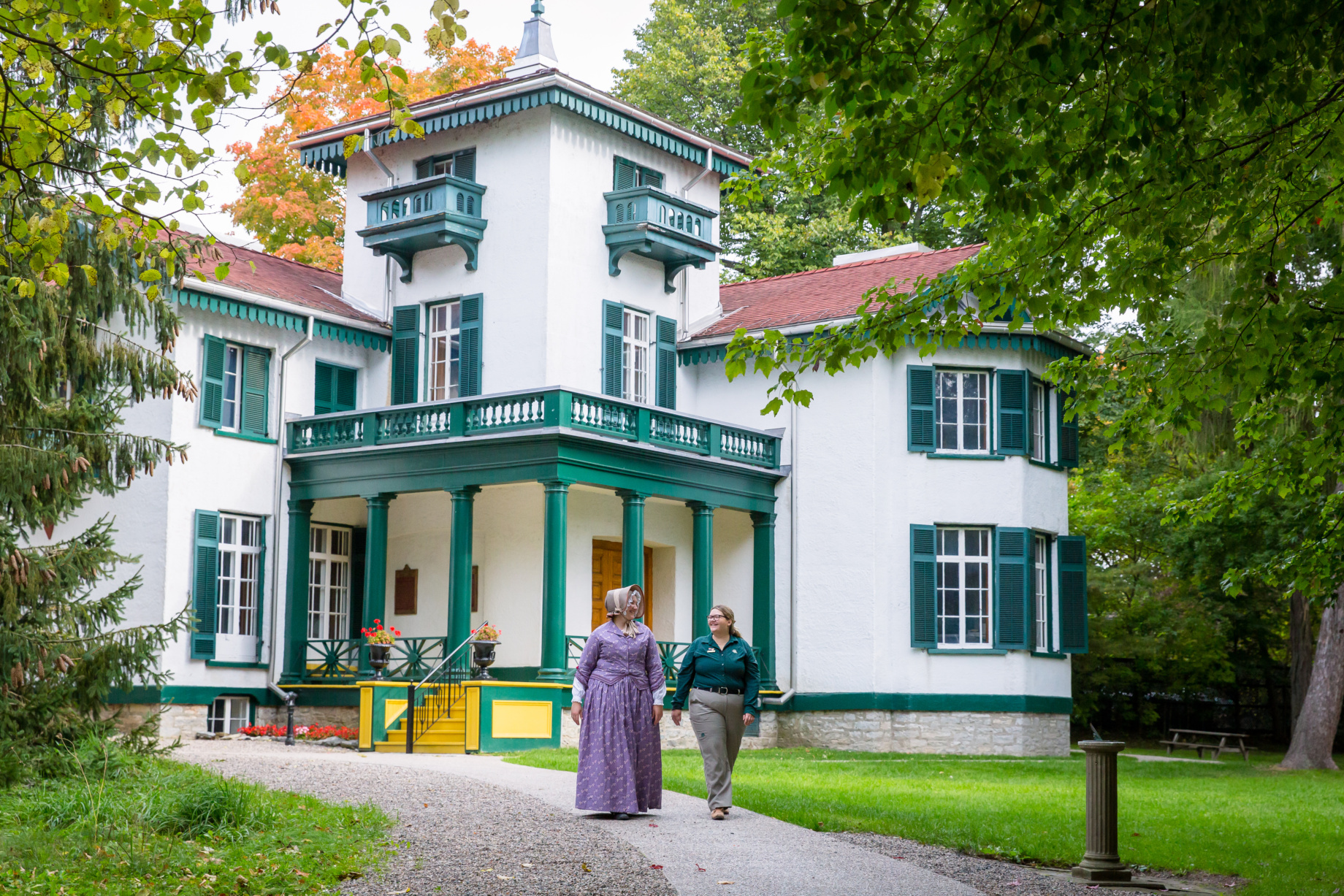
History is written into its streets. As Canada's first capital and the home of the country's first prime minister, Kingston is dense with heritage — from the star-shaped Fort Henry, a UNESCO World Heritage Site guarding the harbour, to the limestone City Hall, Bellevue House, and blocks of preserved 19th-century architecture that give the downtown its distinctive grey-gold character. Few Canadian cities wear their national story so visibly, and it draws history-minded visitors year-round.

The waterfront setting is the city's glory. Perched where the Great Lake meets the great river, Kingston offers a walkable harbourfront, marinas, and some of the best freshwater sailing in the world, along with boat cruises out into the Thousand Islands — that famous archipelago of forested islets, channels, and grand summer estates straddling the Canada–U.S. border. In the warm months the water defines daily life, from paddling and boating to waterfront festivals and patios.
Canada's first capital: limestone streets, a Great Lakes waterfront, and the Thousand Islands.
Advertisement
A youthful energy keeps it lively. Kingston is a university town at heart, home to Queen's University along with St. Lawrence College and the Royal Military College, which fill the city with students, research, and a cultural vibrancy that belies its size. The result is a walkable downtown along Princess Street packed with independent restaurants, pubs, music venues, and shops, and a live-music scene strong enough to have earned Kingston a reputation as a genuine musical incubator.
Its location is a practical draw. Kingston sits almost exactly midway between Toronto and Montreal — about two to two-and-a-half hours from each — and right at the U.S. border, connected to New York State via the Thousand Islands Bridge, making it a natural stop and an easy cross-border base, much like Niagara-on-the-Lake further west. That central, connected position, combined with the universities, a stable public-sector and healthcare economy, and a more attainable cost of living than the big cities, has made Kingston increasingly attractive to families, remote workers, and retirees.
Kingston is honest about being a real, four-season city with cold winters rather than a warm-weather resort. But its blend of assets is genuinely rare. A UNESCO-listed fortress and first-capital heritage, a spectacular Great Lakes and St. Lawrence waterfront, the gateway to the Thousand Islands, and a lively university downtown have made the Limestone City one of the most compelling places in Ontario. For the visitor it makes a history-and-water-rich getaway right on the border. For the growing number who settle in, it makes the case for a connected, cultured waterfront life between Toronto and Montreal — which is exactly why they keep coming.
Kingston, Ontario: FAQ
Is Kingston, Ontario worth visiting?
Yes. Kingston offers UNESCO World Heritage-listed Fort Henry, grand 19th-century limestone architecture, a walkable waterfront and downtown along Princess Street, boat cruises into the Thousand Islands, world-class freshwater sailing, and a lively university-driven food, music, and nightlife scene. Set where Lake Ontario meets the St. Lawrence River on the U.S. border, it makes a history-and-water-rich getaway.
Why are people moving to Kingston, ON?
Kingston offers a walkable waterfront downtown, deep history, three universities and colleges, a stable public-sector and healthcare economy, and a more attainable cost of living than Toronto, all midway between Toronto and Montreal and right on the U.S. border. It appeals to families, remote workers, students, and retirees, though it's a four-season city with cold winters.
What is Kingston, Ontario known for?
Kingston is known as the Limestone City for its grand 19th-century limestone buildings, and as Canada's first capital and the home of its first prime minister. It's also known for UNESCO-listed Fort Henry, Queen's University, its waterfront where Lake Ontario meets the St. Lawrence River, the gateway to the Thousand Islands, and a strong live-music scene.
How far is Kingston from the U.S. border?
Kingston sits directly on the Canada–U.S. border where Lake Ontario meets the St. Lawrence River, connected to New York State via the Thousand Islands Bridge a short drive east. It's also roughly two to two-and-a-half hours by car from both Toronto and Montreal, making it a central and accessible location.
Advertisement