

The Nervous System Reset Vacation Is the Most Important Trip You Will Ever Take
Standard vacations do not fix burnout — they pause it. The nervous system reset vacation is the first category of luxury travel built around actually reversing the physiological damage of chronic stress. Here is the science, the hotels, and exactly how to do it right.
- Why Standard Vacations Do Not Fix Burnout
- The Science Behind a True Nervous System Reset
- What Hushpitality Actually Means in Practice
- Contrast Therapy — Heat, Cold, and Autonomic Regulation
- The 6 Best Hotels for a Nervous System Reset in 2026
- The Ideal 7-Day Reset Sequence
- How to Choose the Right Property for You
You have taken the vacation. The beach holiday that ended with Sunday-night dread on the flight home. The city break that required a recovery day to recover from. The wellness retreat that sent you home feeling genuinely restored for eleven days before the same exhaustion returned with interest. If any of this is familiar, you have experienced the central failure of modern travel: a pause is not a reset.
A nervous system reset vacation is something categorically different. It is not a holiday with a spa. It is not a hotel with a yoga class. It is a purposefully designed trip — built around the specific science of what physiologically depletes the nervous system and what physiologically restores it — that produces measurable, lasting change in how your body and mind respond to stress. The hotels building these programs in 2026 are not simply quieter resorts with better towels. They are environments engineered at an architectural level around the physiology of recovery.
The trend has been building under several names — hushpitality, sleep tourism, biohacking retreats, contrast therapy getaways — but it is now converging into a single coherent travel category. Three forces are arriving simultaneously: a global burnout crisis that has finally been recognized by the World Health Organization as an occupational phenomenon, a biohacking movement that has migrated from personal fitness routines into hotel design, and a luxury traveler who is no longer asking where to go but what the trip will actually do to them on a cellular level.
Why Standard Vacations Do Not Fix Burnout
Burnout is not tiredness. It is a physiological state — characterized by chronically elevated cortisol, dysregulated autonomic nervous system function, impaired sleep architecture, and suppressed immune response — that a week of beach reading does not address. The World Health Organization recognized burnout as an occupational phenomenon in 2019, and the evidence since then has been unambiguous: recovery from burnout requires specific physiological interventions, not simply the absence of work.
This is why you return from a standard holiday feeling fine and arrive at the following Tuesday afternoon feeling precisely as you did three weeks ago. You removed the stressor temporarily. You did not change your nervous system's baseline response to stress. The cortisol dysregulation, the disrupted sleep, the low-level hypervigilance — all of it resumes exactly where it left off the moment the context returns.
A nervous system reset vacation targets the underlying physiology. It is built around four evidence-based mechanisms: acoustic restoration — reducing auditory stimulation to allow the sympathetic nervous system to downregulate; circadian re-entrainment — rebuilding natural light-dark cycles to restore sleep architecture; contrast therapy — alternating heat and cold to train autonomic regulation; and vagus nerve stimulation — activating the primary nerve of the parasympathetic system through breath, cold water, and specific movement practices. The hotels doing this well in 2026 have integrated all four into their physical architecture, not merely their spa menus.
The autonomic nervous system operates in two modes. The sympathetic branch — fight or flight — activates under stress, noise, blue light, and unresolved threat. The parasympathetic branch — rest and digest — governs cellular repair, immune function, and sleep quality. Chronic burnout is a state of sustained sympathetic dominance: the body remains in low-level threat response even without actual threat. Research published in the International Journal of Neuroscience shows that alternating heat and cold in sequence significantly improves autonomic balance, training the body to shift efficiently between activation and recovery. Acoustic engineering, circadian lighting, and vagus nerve stimulation target the same physiological mechanism through complementary pathways.
The Science Behind a True Nervous System Reset
The vagus nerve is the longest nerve in the autonomic nervous system — running from the brainstem through the heart, lungs, and gut — and it is the primary conductor of parasympathetic activation. Vagus nerve tone is the measure of how efficiently the parasympathetic system can override the sympathetic response after a stressor. High vagal tone means you recover from stress quickly. Low vagal tone — the characteristic state of chronic burnout — means your nervous system stays in activation long after the threat has passed.
The interventions that improve vagal tone are specific and measurable: cold water immersion, diaphragmatic breathing, chanting, humming, certain yoga postures, and slow rhythmic movement. What this means in practical terms is that the cold plunge after a sauna, the morning breathwork session, the guided sound bath, and the walking meditation through a temple forest are not amenities — they are the mechanisms of physiological change. The best nervous system reset hotels in 2026 have understood this distinction and built their programming accordingly.
What Hushpitality Actually Means in Practice
The term was coined in Hilton's 2026 Trends Report and has since been adopted as shorthand for an entire design philosophy. Hushpitality is the architecture of quiet — the deliberate re-engineering of a hospitality environment around the needs of a nervous system that has been chronically overstimulated. Not ambient spa music over marble floors. Not a "quiet room" off the gym corridor. A fundamental redesign of acoustic, visual, digital, and service environments.
Properties leading the hushpitality movement share four design principles. Acoustic engineering — sound-dampening materials, absorbing architecture, certified reverberation times below 0.3 seconds in sleep environments, the elimination of hard surfaces that amplify rather than absorb. Circadian lighting — automated systems eliminating blue-spectrum light after sunset to restore the melatonin suppression that years of screen exposure have disrupted. Digital dead zones — spaces where devices are actively blocked or collected at arrival, not merely discouraged. Anticipatory service — the removal of decision fatigue through pre-configured environments that require no choices, no requests, no friction. Your preferred tea is waiting. Your dinner table is in the quiet corner. You never had to ask.
In 2026, over 56 percent of global travelers now prioritize rest and recharging above sightseeing, according to Hilton's research — a number that would have seemed impossible five years ago. The luxury traveler has fundamentally shifted what they are optimizing for. The properties that understood this first are filling their rooms the fastest.
Contrast Therapy — The Most Powerful Reset Tool in Luxury Travel
Contrast therapy — the deliberate alternation between heat exposure and cold exposure in sequence — is the single most scientifically documented modality for improving autonomic nervous system function available in a travel context. And in 2026 it has moved from the fringes of biohacker culture into the centerpiece programming of the world's finest wellness properties.
The mechanism is straightforward and the effects are cumulative. Heat exposure — sauna, hot springs, steam room — activates the sympathetic nervous system, raises core temperature, and triggers the release of heat shock proteins that repair cellular damage. Cold exposure — cold plunge, glacier swimming, cryotherapy — immediately activates the parasympathetic branch through vagal nerve stimulation, releases norepinephrine at levels up to 300 percent above baseline, and triggers an anti-inflammatory cascade. Alternating the two in sequence trains the autonomic nervous system to switch between these states more efficiently — producing lasting improvements in sleep quality, anxiety levels, stress resilience, and recovery speed that continue for weeks after the retreat ends.
The luxury expression of contrast therapy is no longer a cold tub next to a sauna room. Properties like Arctic Bath Hotel in Sweden have built their entire architectural identity around it — the cold plunge into a glacially cold river as the central ritual of each day. Aman Kyoto integrates cold forest bathing and thermal onsen in the temple grounds adjacent to the property. Six Senses Vana in India pairs Ayurvedic heat therapies with cold river immersion as part of its clinical sleep and stress programs. The cold plunge is the new infinity pool of luxury wellness travel.
The 6 Best Hotels for a Nervous System Reset in 2026

Six Senses Vana sits in the Himalayan foothills outside Dehradun, and in 2026 it is the single most comprehensive nervous system reset property in the world at luxury standard. The programming integrates Ayurvedic tradition — one of the few ancient medical systems with a fully developed theory of nervous system regulation — with contemporary sleep science, contrast therapy, and biometric monitoring. Guests arrive to a digital lockbox that collects all devices, a welcome assessment by an in-house physician that measures HRV (heart rate variability, the primary biomarker of vagal tone), and a personalized daily program built specifically around their nervous system's current state. The contrast therapy circuit — Ayurvedic heat treatments, cold river immersion, steam caves, and cold plunge — runs morning and evening. Sound baths, breathwork, and movement are integrated throughout. The 0.2-second reverberation time in guest suites is the quietest sleep environment available at any luxury property currently operating. Minimum stay seven nights is strongly recommended by the property's medical team.
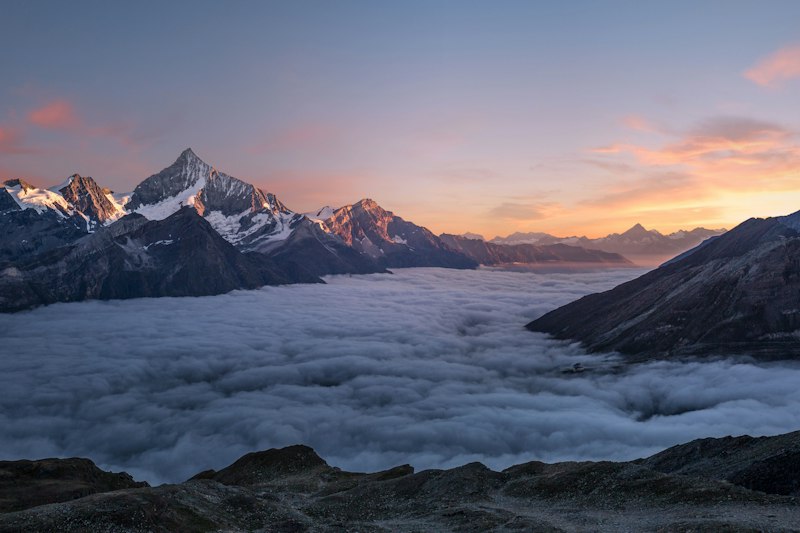
Arctic Bath Hotel floats on the Lule River in Swedish Lapland, 12 hours north of Stockholm, and it has built its entire identity around the thing that nervous system science says works most measurably: cold water immersion in natural wilderness. The property's floating ring structure includes a cold pool open to the sky — fed directly by the river, maintained at 4–8 degrees Celsius year-round — alongside a wood-fired sauna, steam room, and hot pool. The contrast circuit here is not a spa treatment. It is the daily rhythm of life at the property. The surrounding wilderness — ancient pine forest, absolute darkness in winter, midnight sun in summer, the possibility of aurora borealis from October to March — delivers the acoustic restoration that urban hushpitality properties can only approximate. The total absence of external stimulation in this environment is genuinely extraordinary. Floating cabins on the river offer the closest thing to sleeping inside nature available at luxury standard anywhere in Europe.
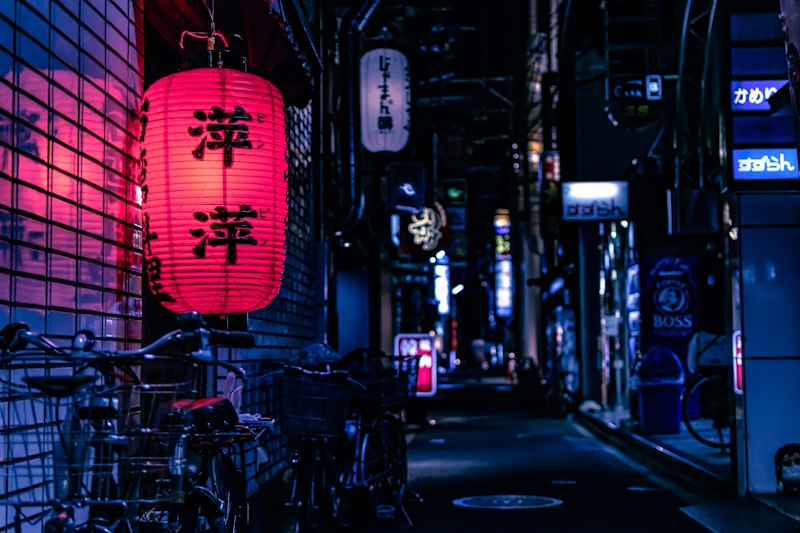
Aman Kyoto does not announce itself as a nervous system reset property. It does not need to. The architecture does the work. The resort is embedded within a private garden in the northern hills of Kyoto, connected to an ancient temple complex, with rooms integrated into the tree canopy and pathways that move through a landscape of moss, stone, and water that has been curated for contemplative silence for over four centuries. The acoustic environment at Aman Kyoto is categorically different from any city hotel — the only sounds are birdsong, water, and the wind in the trees. The onsen at the property uses geothermally heated water at the perfect contrast therapy temperatures. The traditional ryokan service model — everything anticipated, nothing requested, no friction — is the original hushpitality. And Kyoto itself, the most culturally rich slow-travel destination in the world in 2026, provides the external programming that makes an extended stay feel genuinely restorative rather than merely quiet. A five-night minimum allows the property's rhythm to actually reach you.
For the traveler who needs to see the numbers — whose nervous system will not fully relax until they can verify the recovery is measurable — Sensei Lanai is the definitive answer. The property, developed in collaboration with Larry Ellison on the private island of Lanai, ships a WHOOP 4.0 biometric band to guests before arrival. By the time you land, the property's Sensei Guides have analyzed your baseline HRV, sleep architecture, and recovery scores and built a program specifically calibrated to your nervous system's current state. Nobu-designed cuisine, guided forest bathing, breathwork, yoga, and contrast therapy pools are all integrated into a program that is continuously adjusted based on daily biometric feedback. The Lanai setting — one of the most acoustically undisturbed environments in the United States, set among pineapple fields and ironwood forests above the Pacific — provides the environmental conditions that the program requires to deliver measurable results.
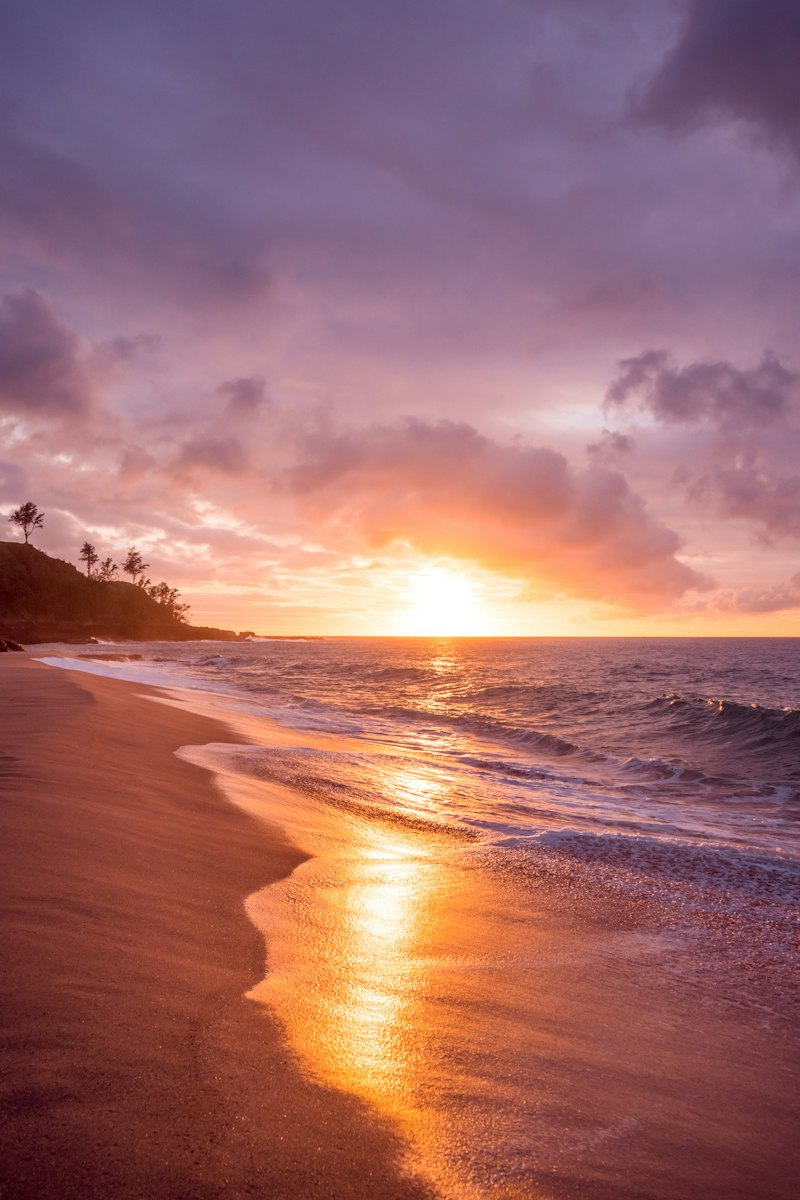
SHA Wellness Clinic on the Costa Blanca north of Alicante is the most medically rigorous stress and nervous system recovery program available at a luxury property anywhere in Europe. The clinic integrates Western medical diagnostics — cortisol mapping, polysomnography, HRV analysis, comprehensive blood panels measuring inflammation markers, thyroid function, and hormonal balance — with Eastern therapeutic modalities including macrobiotic nutrition, Ayurveda, Traditional Chinese Medicine, and Watsu aquatic therapy. For guests experiencing clinical burnout rather than general fatigue, SHA offers a Comprehensive Stress Programme that begins with a full medical assessment, designs a daily therapeutic schedule around the findings, and measures progress through repeat diagnostics before departure. The Mediterranean hillside setting — olive groves, sea views, year-round mild climate — is not incidental. The solar exposure, the diet of fresh Spanish produce, and the gentle heat of the coastal climate are integrated into the medical protocol as therapeutic tools.
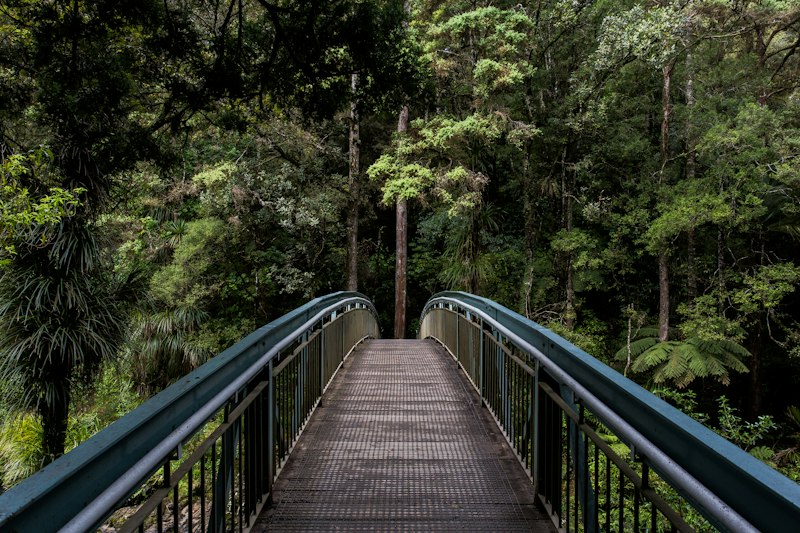
Eremito is not a wellness hotel in the conventional sense. It is a converted 13th-century hermitage in the Umbrian hills of central Italy, rebuilt by designer Marcello Murzilli as a secular monastery for the modern nervous system. No WiFi. No phone signal. No mirrors in the rooms. No locks on the doors. No clocks visible anywhere in the property. Meals are served communally in silence, eaten by candlelight at long stone tables. The days are structured around movement — hiking through ancient oak forests, swimming in a natural spring pool — and contemplation. There is no spa menu, no programming, no treatments to book. The silence is the program. What Eremito delivers is the rarest luxury in 2026: a complete removal from the information environment that is the primary stressor for most of its guests. The before-and-after accounts from guests who have stayed are among the most compelling testimonials in luxury travel — people describing physiological changes they felt within 48 hours of arriving that lasted months after departure. Three nights is the minimum. Seven nights is transformative.
The Ideal 7-Day Nervous System Reset Sequence
The sequence matters as much as the destination. Most people arrive at a nervous system reset property still physiologically in their working environment — elevated cortisol, disrupted sleep, hypervigilant attention. Throwing contrast therapy and meditation at a nervous system in full sympathetic activation produces mild relaxation, not reset. The first 48 hours need to be almost entirely passive.
How to Choose the Right Property for You
The six properties above represent six different modalities of nervous system reset, and the right choice depends entirely on which aspect of your physiology needs the most attention. If sleep is the primary issue — disrupted architecture, difficulty falling asleep, waking at 3am — Six Senses Vana or Sensei Lanai offer the most clinically sophisticated sleep programs. If physical burnout and inflammation are the presenting problem — chronic fatigue, immune suppression, persistent low-grade illness — SHA Wellness Clinic's medical assessment approach is the most direct path to understanding the physiology driving the symptoms. If digital overstimulation and decision fatigue are the core issue — the inability to sit still, the compulsive checking, the anxiety that arrives the moment there is nothing to respond to — Eremito is the only property radical enough to address it at the level it requires.
For first-time nervous system reset travelers, Aman Kyoto represents the most accessible entry point — combining the cultural richness of the world's most compelling slow-travel destination with hushpitality architecture that works on the nervous system without requiring any understanding of the science behind it. You will feel the difference within three days. Whether or not you can explain why is entirely beside the point.
Use our Travel Cost Calculator to budget any of these properties for your exact dates. Use TripMatcher™ to match your specific recovery needs to the right destination. And check the Deal Room for current flight deals to Japan, Sweden, Hawaii, Spain, Italy, and India.
Rest Is the New Luxury.
Hotel first looks, wellness travel trends, deals and destination guides — free, straight to your inbox every week.