
MTA's $68.4 Billion Plan: Will It Finally Fix New York's Transit Woes?
On a sweltering August morning in 2025, a power outage halted service on several subway lines, stranding thousands of New Yorkers during rush hour. Commuters packed onto platforms, venting frustrations over delays that have become all too familiar. This incident, one of many plaguing the Metropolitan Transportation Authority (MTA), underscores the urgent need for change in a transit system strained by aging infrastructure and growing demand. In response, the MTA has unveiled its ambitious 2025-2029 Capital Plan, a $68.4 billion investment designed to revitalize New York’s subways, buses, commuter railroads, bridges, and tunnels.
Announced in September 2024 and approved by the MTA Board in May 2025, the plan represents a historic commitment to modernizing a century-old system. With over 90% of its budget dedicated to achieving a “state of good repair,” the plan tackles long-standing issues like outdated signals and crumbling stations while introducing forward-thinking initiatives for accessibility, sustainability, and climate resilience. Yet, as riders anticipate improvements, they also face a looming fare increase and debates over funding sources like congestion pricing. Can this plan deliver the reliable, modern transit New Yorkers deserve?
Recent Challenges Highlight the Need for Change
The MTA’s struggles have been front-page news in recent months. In addition to the August 2025 power outage affecting lines like the A, C, and B, flooding disrupted Long Island Rail Road (LIRR) service on the Port Washington Branch earlier this year. These incidents reflect broader systemic issues: nearly 50% of buses, 2,000 railcars, and 36% of power substations are in poor or marginal condition, according to the MTA’s 20-Year Needs Assessment. Riders consistently cite reliability, delays, and safety as top concerns, with old signal systems—some dating back to the 1930s—causing hundreds of delays monthly.
Beyond operational challenges, the MTA has faced financial pressures. Potential funding cuts have loomed, and the agency recently lifted a ban on alcohol advertisements to boost revenue, a move criticized by some as prioritizing profit over public health. Meanwhile, safety concerns persist, with reports of subway attacks and other incidents adding to commuter unease. These realities set the stage for the 2025-2029 Capital Plan, which aims to address both immediate needs and long-term goals.
The 2025-2029 Capital Plan: A Blueprint for Transformation
The $68.4 billion plan is the MTA’s most comprehensive effort to date, informed by the 20-Year Needs Assessment, a rigorous evaluation of the system’s infrastructure needs. Below are the key initiatives that promise to reshape New York’s transit landscape:
New Rolling Stock
Purchase 1,500 new subway cars, retiring outdated R62 and R68 models. Introduce new railcars and dual-mode locomotives for LIRR, and new locomotives for Metro-North’s West of Hudson service.
Infrastructure Upgrades
Renovate the Grand Central Artery, including structural supports, the Train Shed roof, and Park Avenue Tunnel. Address thousands of structural defects in subway tunnels, bridges, and viaducts to prevent closures.
Power and Signal Modernization
Overhaul over 60 substations and rehabilitate 30 circuit breaker houses for reliable power. Install Communications-Based Train Control (CBTC) on over 75 miles of track, including Broadway and Rockaway lines, for better on-time performance.
Accessibility Improvements
Make at least 60 subway stations ADA-accessible, increasing accessible rides to nearly 70%. Enhance accessibility at LIRR stations (e.g., Bellerose) and Metro-North stations (e.g., Ludlow). Replace 45 subway station elevators.
Sustainability
Acquire 500 zero-emission buses, aiming for 20% electric buses by 2029, reducing 32,500 metric tons of carbon emissions annually. Target an 85% reduction in agency-wide emissions by 2040.
Climate Resilience
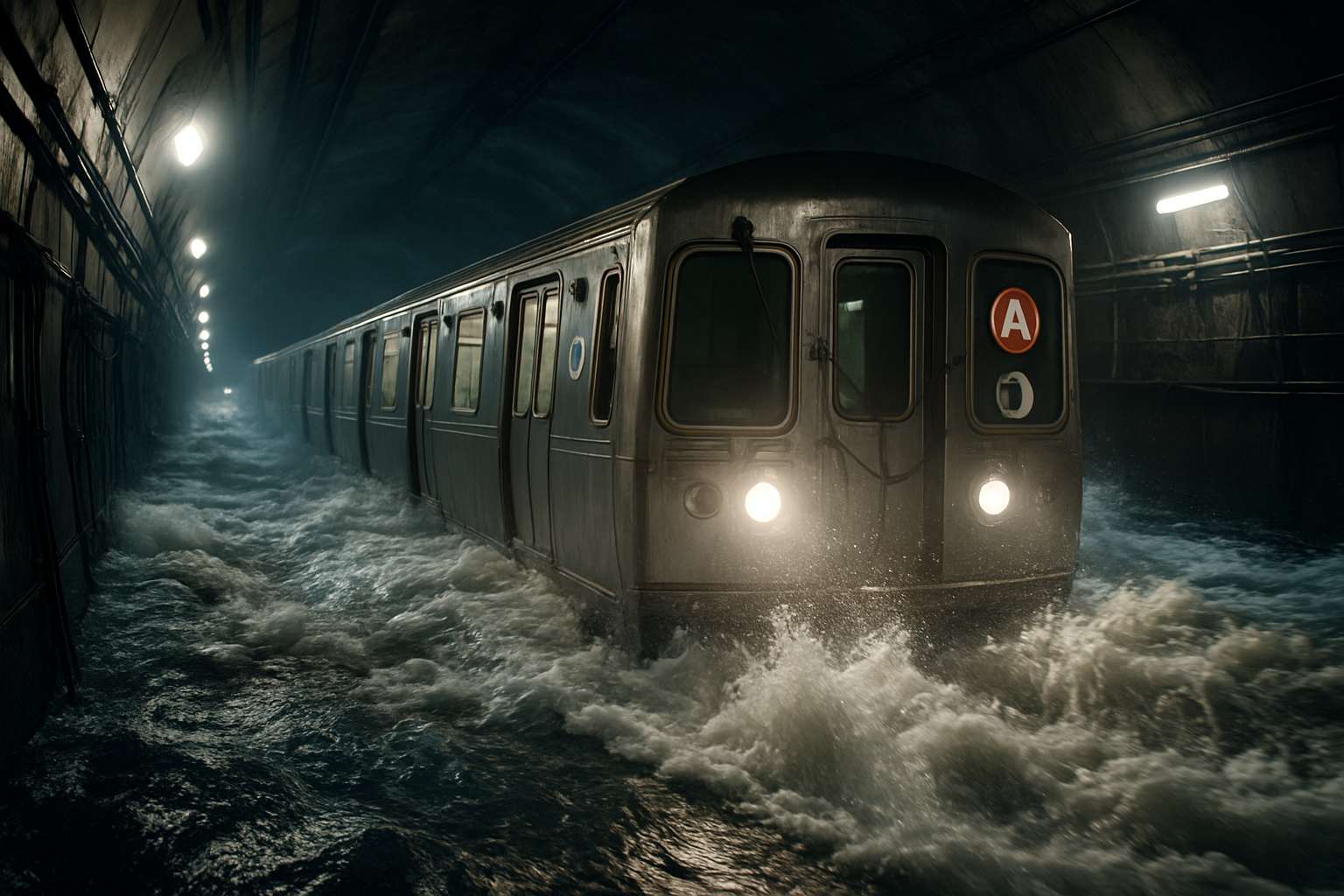
Fortify the Hudson Line against coastal surges and landslides. Implement flood protection at street-level openings, elevate stairs/vents, and seal tunnel leaks with grouting.
Customer Experience
Upgrade over 150 stations with repairs, enhanced security cameras, and platform fencing. Install modern fare gates to curb fare evasion. Improve fiber-optic networks for better connectivity.
New Projects
Begin design and construction of the Interborough Express (IBX), a new transit line serving 900,000 residents in Brooklyn and Queens.
The plan also includes station enhancements, such as priority repairs and upgraded customer communications, and modern fare gates at over 150 subway stations to combat fare evasion. For commuters, these changes could mean smoother rides, fewer delays, and stations that are easier to navigate, particularly for those with disabilities.
MTA's $68.4 Billion Plan: Will It Finally Fix New York's Transit Woes?
Funding the Future: Congestion Pricing and Fare Hikes
Funding this ambitious plan requires a mix of federal, state, and local support, with a significant portion coming from congestion pricing. Implemented in January 2025, this program charges drivers $9 to enter Manhattan’s central business district during peak hours, with 80% of the revenue—$7.20 per toll—allocated to capital improvements for subways and buses. Projects like signal upgrades on the A and C lines and new subway cars rely heavily on these funds. However, congestion pricing has sparked controversy, with critics arguing it unfairly burdens drivers, particularly those from lower-income areas, while supporters see it as essential for reducing traffic and funding transit.
Riders will also contribute through a fare increase set for January 2026. The base fare for subways, local buses, and Access-A-Ride will rise from $2.90 to $3, a 10-cent hike delayed from March 2025 to align with the rollout of tap-and-go payment systems. Express bus fares will increase from $7 to $7.25. The MTA defends these hikes as necessary to keep pace with inflation and sustain operations, but they may strain budgets for frequent riders.
A Vision for a Modern Transit System
The 2025-2029 Capital Plan is not just about fixing what’s broken—it’s about preparing the MTA for the future. Sustainability is a cornerstone, with the shift to zero-emission buses aligning with New York’s climate goals. Climate resilience measures, like flood protections and fortifying infrastructure against rising sea levels, are critical as extreme weather events become more frequent. The plan’s focus on accessibility reflects a commitment to equity, ensuring that more New Yorkers, including those with disabilities, can navigate the system with ease.
MTA Chair and CEO Janno Lieber has championed the plan as a “historic investment” in the region’s transit future. Speaking at a 7 train stop with upgraded signals, Lieber noted, “This is one of the best-performing lines in the entire subway system, and it’s really a model for what we are trying to accomplish all over the city and all over the region.” The 7 train’s success with modern signals offers a glimpse of what’s possible system-wide.
The plan also includes innovative projects like the Interborough Express, which will connect Brooklyn and Queens, serving 900,000 residents and easing congestion on existing lines. Capacity improvements, such as analyzing electrification for the LIRR’s Main Line and connecting Metro-North’s Hudson Line to Penn Station, aim to accommodate growing ridership.
Challenges and Expectations
Despite its promise, the plan faces hurdles. Executing $68.4 billion in projects over five years requires meticulous planning and coordination. Past MTA projects have faced delays and cost overruns, raising skepticism among some riders. The reliance on congestion pricing revenue introduces uncertainty, as political pressures could alter the program. Additionally, the fare hike, while modest, may frustrate commuters already grappling with rising costs.
For now, riders can expect gradual improvements as projects roll out. New subway cars and accessible stations will take time to implement, but smaller upgrades, like enhanced station communications and modern fare gates, may appear sooner. The MTA’s Construction & Development arm, which reported $3 billion in savings over the past five years, aims to deliver projects “better, faster, and cheaper,” boosting confidence in the plan’s execution.
Looking Ahead
The 2025-2029 Capital Plan is a bold step toward a more reliable, accessible, and sustainable transit system. For millions of New Yorkers who depend on the MTA daily, the stakes are high. As construction begins in the coming months, the agency faces the challenge of turning its vision into reality while maintaining public trust. If successful, the plan could transform commutes, making delays and disruptions a thing of the past. For now, riders can hold onto hope that the future of New York’s transit is brighter than ever.