The Little Georgia City Hiding a Palace and Thousands of Historic Mansions
5 Reasons to Visit® · Georgia
The Little Georgia City Hiding a Palace and Thousands of Historic Mansions
Street after street of antebellum mansions, a downtown "palace," and one of the South's great historic districts — Macon is the central Georgia city whose jaw-dropping architecture almost nobody talks about, wrapped in cherry blossoms and a legendary music past.
Advertisement
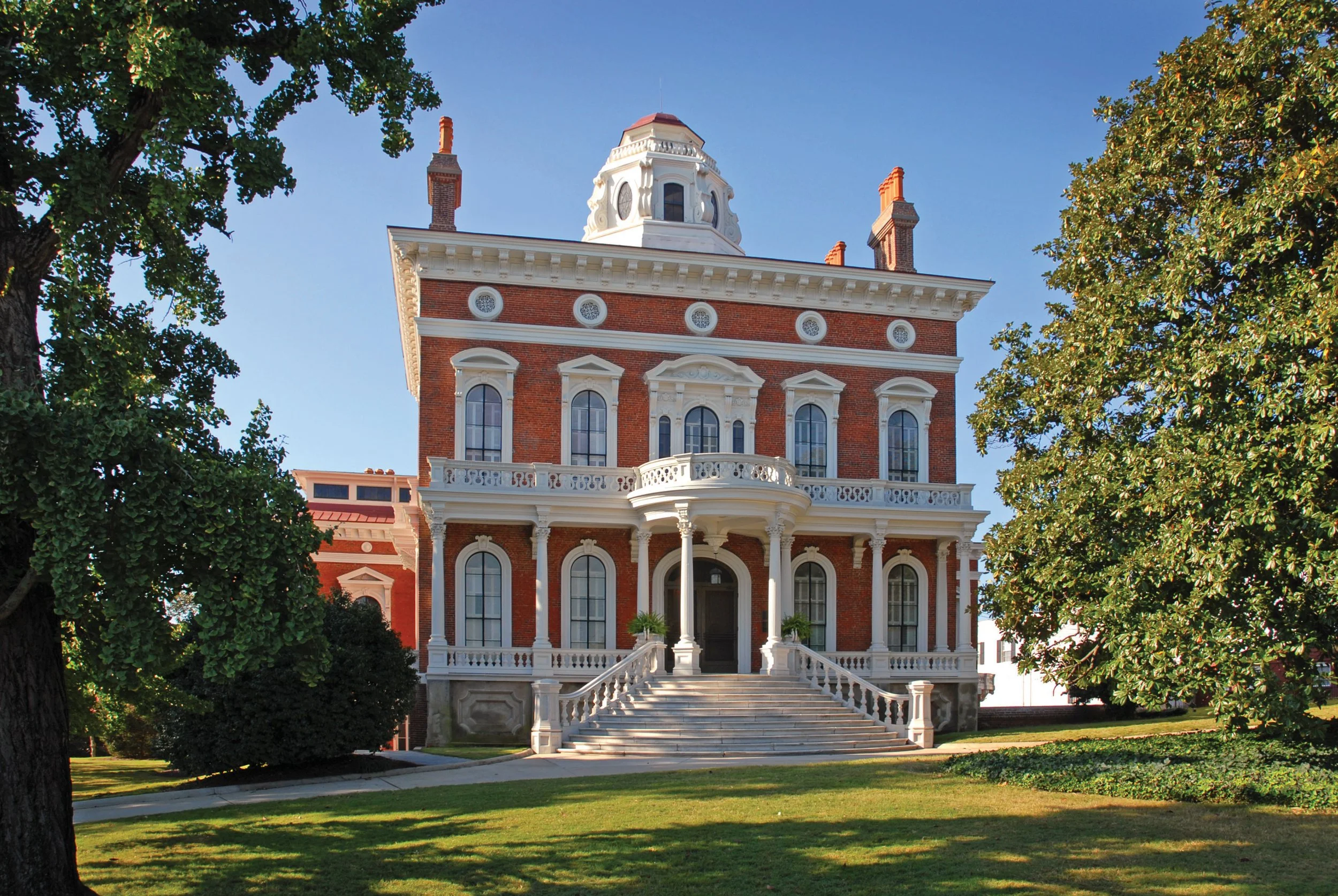
Macon, Georgia, hides one of the most remarkable collections of historic architecture in the American South. This central Georgia city of around 150,000 came through the Civil War largely unburned, and the result is street after street of grand antebellum and Victorian mansions, a downtown listed among the largest historic districts in the country, and a genuine "palace" at its heart. Add cherry blossoms by the hundreds of thousands, a legendary music heritage, and ancient Native American mounds, and Macon is one of the most surprising and rewarding cities in the South — and one most travelers have never thought to visit.
Advertisement
The architecture is the revelation. Macon boasts one of the largest concentrations of historic buildings in Georgia — thousands of them across sweeping districts of grand antebellum and Victorian homes, tree-lined streets, and columned porches that survived the war intact. The crown jewel is the Hay House, an opulent 1850s Italian Renaissance Revival mansion so lavish it's nicknamed "the Palace of the South," a National Historic Landmark whose 24-room, seven-level interior astonishes everyone who tours it. Nearby, the Cannonball House (struck by Union artillery), the Sidney Lanier Cottage, and entire neighborhoods of restored mansions make simply wandering Macon's streets a pleasure.
Every spring, the city turns pink. Macon calls itself the "Cherry Blossom Capital of the World," and it earns the title: some 350,000 Yoshino cherry trees bloom across the city each March, and the International Cherry Blossom Festival fills ten days with events, parades, and clouds of cotton-candy-pink blossoms centered on Carolyn Crayton Park. It's a spectacle to rival Washington, D.C.'s, in a city few outsiders associate with cherry blossoms at all.
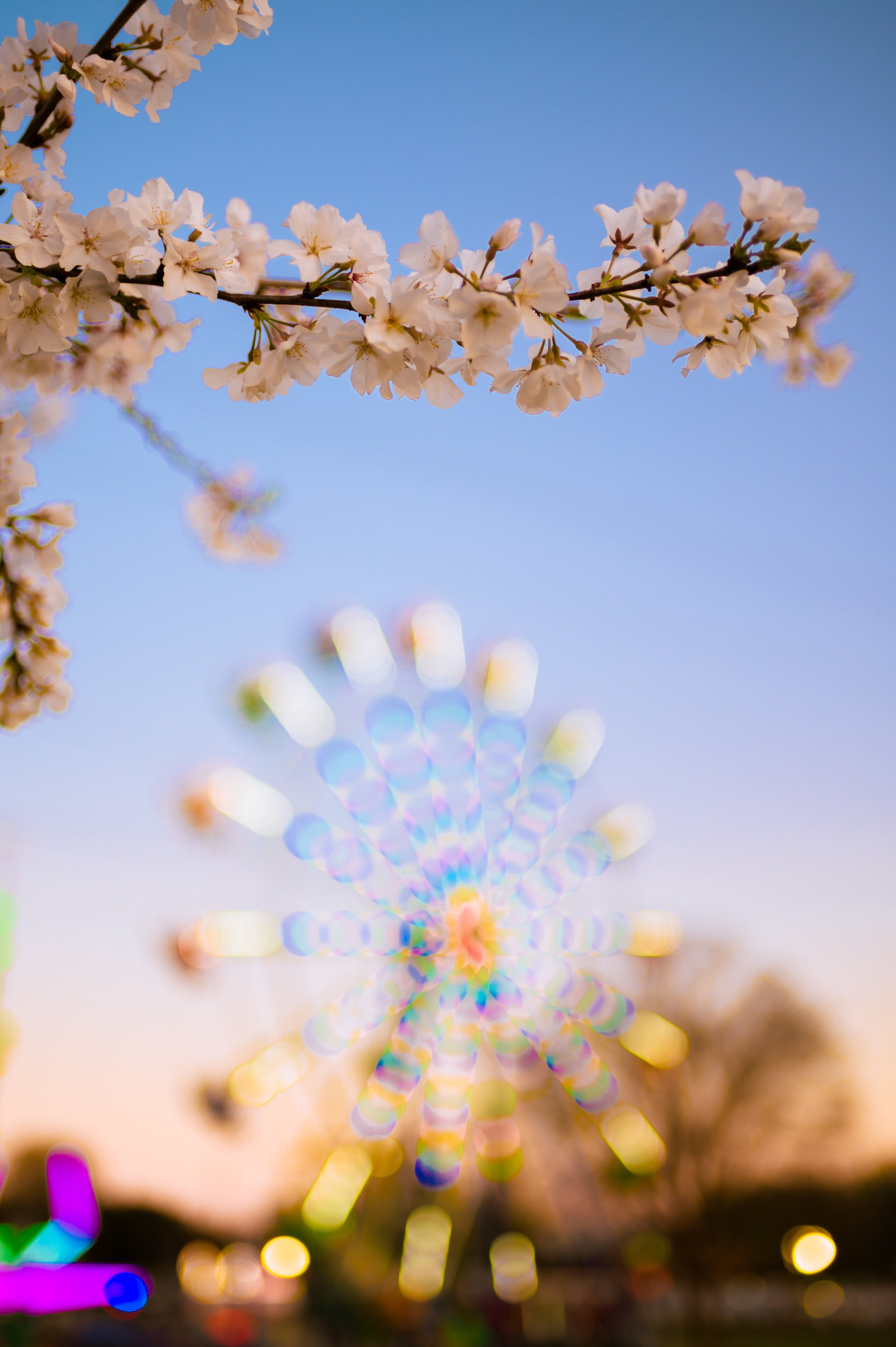
A "palace," thousands of antebellum mansions, and a whole city that survived the war intact.
Advertisement
The history runs astonishingly deep. On a bluff above downtown, Ocmulgee Mounds National Historical Park preserves thousands of years of Native American history, including massive earthwork temple mounds and a reconstructed Earth Lodge with a 1,000-year-old floor — often called the oldest public building in North America. Long a national monument and recently expanded, it's on track to become one of the nation's newest national parks, giving Macon a genuine ancient wonder at its edge.
The music that came out of those streets is just as astonishing. Macon was the launching pad for Little Richard, the flamboyant architect of rock and roll; for Otis Redding, the king of soul, honored with a memorial bridge over the Ocmulgee River; and for the Allman Brothers Band, whose Southern-rock revolution was born here. The Allman Brothers Band Museum at The Big House — itself a grand Tudor mansion, where the band lived from 1970 to 1973 — is a mecca for rock fans, while the restored Capricorn Sound Studios and the beloved H&H restaurant complete the pilgrimage. The Tubman Museum, the largest in the Southeast devoted to African American art and history, adds still more depth.
Macon is honest about being a mid-sized city still writing its comeback story — parts of downtown are revitalizing, and it doesn't have the polish of Savannah or the size of Atlanta. But that authenticity is exactly the appeal, and its riches are genuine and rare. One of the South's great collections of historic architecture, a "palace" at its heart, 350,000 blooming cherry trees, a legendary music heritage, and ancient Native American mounds have made Macon one of the most surprising destinations in Georgia. For the visitor it offers something few cities its size can — a whole city of preserved grandeur that the rest of the country somehow overlooks.
Macon, Georgia: FAQ
Is Macon, Georgia worth visiting?
Yes. Macon offers a legendary music heritage as the home of Otis Redding, Little Richard, and the Allman Brothers Band (with the Allman Brothers Band Museum at The Big House and Capricorn Sound Studios), the spectacular International Cherry Blossom Festival each spring, the ancient earthworks of Ocmulgee Mounds National Historical Park, a historic downtown with the Hay House and Tubman Museum, and genuine Southern soul. It's one of the most underrated cities in the South.
What is Macon, Georgia known for?
Macon is known as a cradle of American music — the home of Otis Redding, Little Richard, and the Allman Brothers Band — and as the 'Cherry Blossom Capital of the World,' with about 350,000 cherry trees blooming each spring during the International Cherry Blossom Festival. It's also known for Ocmulgee Mounds National Historical Park, its historic architecture, and the Tubman Museum.
What is there to do in Macon, GA?
In Macon you can tour the Allman Brothers Band Museum at The Big House and Capricorn Sound Studios, take a Rock Candy music tour, visit Ocmulgee Mounds National Historical Park and its ancient Earth Lodge, explore the historic Hay House and downtown architecture, learn at the Tubman Museum, and, in spring, experience the International Cherry Blossom Festival. Eat at institutions like H&H and Ingleside Village Pizza.
When is the Macon Cherry Blossom Festival?
Macon's International Cherry Blossom Festival takes place each March (typically late March), when about 350,000 Yoshino cherry trees bloom across the city, earning Macon the title 'Cherry Blossom Capital of the World.' The ten-day festival, centered on Carolyn Crayton Park, features parades, events, and pink blossoms throughout the city.
Advertisement