The Victorian Seaport Behind the Redwood Curtain
5 Reasons to Visit® · United States
The Victorian Seaport Behind the Redwood Curtain
On a foggy bay behind the 'Redwood Curtain,' Eureka guards hundreds of ornate Victorian buildings, a working fishing harbor, and towering redwoods — a coastal California city unlike any other, at a fraction of the price.
Advertisement
Eureka, California, is a place that feels genuinely out of time. Set on the shores of Humboldt Bay on the state's far north coast — behind the so-called "Redwood Curtain" of dense forest that isolates the region — this Victorian seaport of about twenty-five thousand is the largest coastal city between San Francisco and Portland, and one of the most distinctive small cities in California. It pairs an astonishing collection of 19th-century architecture with a working fishing harbor, towering redwoods, and an artsy, independent spirit, and it has been quietly discovered by people seeking coastal California at a fraction of the usual cost.
Advertisement
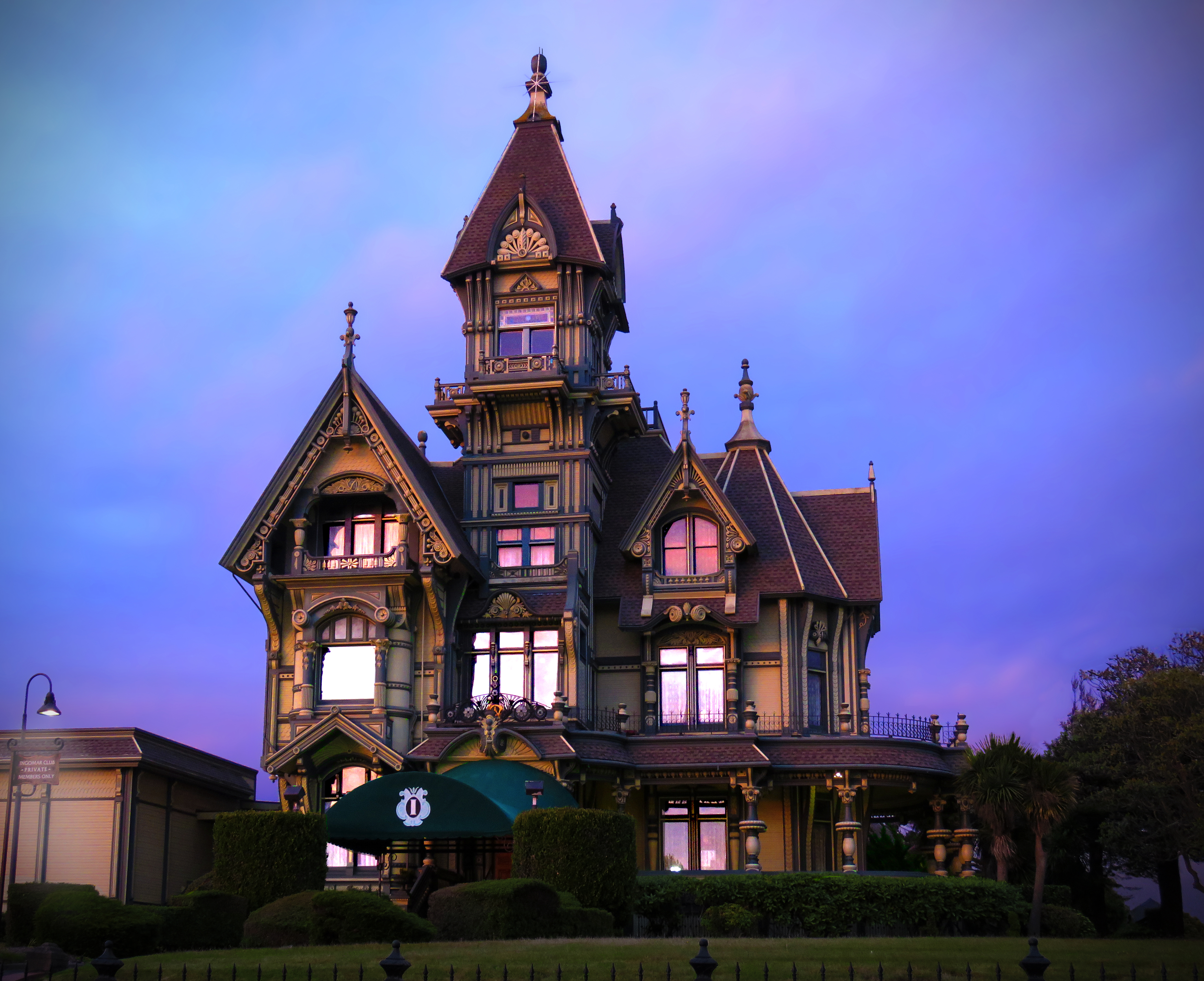
The architecture is the wonder of the place. Eureka grew rich as a lumber port during the redwood boom, and that prosperity is written in hundreds of ornate 19th-century homes and buildings — the entire city is a state historic landmark. Old Town, a National Register historic district of some 150 Victorian-era buildings along the waterfront, is its walkable heart, crowned by the fantastically elaborate Carson Mansion, a paragon of Queen Anne architecture and one of the most photographed Victorian homes in America. Strolling Old Town genuinely feels like stepping back a century.
It remains a real, working seaport. This is no theme-park recreation: fishing boats still chug in and out of the protected harbor on Humboldt Bay, and the town retains the salty, unpretentious character of a place that works for a living. That authenticity — a genuine maritime culture alongside the historic charm — gives Eureka a grounded, lived-in feel, and the six-mile Eureka Waterfront Trail lets visitors and residents take in the bay, the wildlife, and the working harbor on foot or by bike.
Hundreds of Victorians, a working seaport, and redwoods — the coast at a fraction of the price.
Advertisement
The redwoods are its backyard. Eureka sits at the heart of the redwood coast, minutes from towering old-growth groves and a short drive from the parks that protect the tallest trees on Earth. Even within the city, Sequoia Park preserves a community redwood grove, and its Sequoia Park Zoo — the oldest accredited zoo in California — now features a Redwood Sky Walk lifting visitors more than a hundred feet into the forest canopy. Nature here isn't a day trip; it begins at the edge of town.
A creative, college-town energy runs through it. Designated a California Cultural District, Eureka is full of murals, galleries, performing arts, one-of-a-kind shops, and artisan businesses, with an eco-conscious, embrace-the-imperfect spirit shaped in part by nearby Cal Poly Humboldt. And the value is real: with a median home price around the mid-four-hundred-thousands — a fraction of San Francisco's — and a cost of living well below the California average, Eureka offers coastal living that's genuinely attainable, drawing artists, remote workers, and retirees north, much like the sunnier interior city of Redding a few hours inland.
Eureka is honest about its trade-offs — it's remote, a five-hour drive from San Francisco, and its cool, foggy, famously gray and rainy weather isn't for everyone. But that isolation and moody climate are exactly what have preserved its character. Hundreds of Victorian treasures, a working seaport, redwood forests at the doorstep, a creative independent culture, and true coastal affordability have made Eureka one of the most singular places in California. For the visitor it makes an atmospheric, one-of-a-kind escape. For those who settle in behind the Redwood Curtain, it makes the case for a coastal life with history, nature, and soul at a price the rest of the coast can't touch — which is exactly why they keep coming.
Eureka, California: FAQ
Is Eureka, California worth visiting?
Yes. Eureka offers the Victorian Old Town Historic District with some 150 ornate 19th-century buildings, the famous Carson Mansion, a working fishing harbor on Humboldt Bay, the 6-mile Eureka Waterfront Trail, Sequoia Park Zoo (the oldest accredited zoo in California) with its Redwood Sky Walk, and old-growth redwoods minutes away. As a designated California Cultural District, it makes an atmospheric, one-of-a-kind coastal escape.
Why are people moving to Eureka, CA?
Eureka draws artists, remote workers, and retirees with coastal California living at a fraction of the usual cost — a median home price around the mid-$400,000s versus over $1.2M in San Francisco — plus a walkable Victorian downtown, a working harbor, redwood forests at the doorstep, and a creative, independent, eco-conscious culture. The trade-offs are its remoteness and cool, foggy weather.
What is Eureka known for?
Eureka is known as the 'Victorian Seaport' — the largest coastal city between San Francisco and Portland, famous for its hundreds of ornate 19th-century Victorian buildings, the Old Town Historic District, and the iconic Carson Mansion. It's also known for its working fishing harbor on Humboldt Bay, its location behind the 'Redwood Curtain,' nearby old-growth redwoods, and its artsy, eco-conscious culture.
Is Eureka a good place to live?
Eureka offers a walkable Victorian downtown, a working seaport, redwood forests within minutes, a creative California Cultural District arts scene, and coastal living well below the California average cost — with home prices a fraction of San Francisco's. The main trade-offs are its remoteness (about five hours from San Francisco) and its cool, foggy, frequently gray and rainy weather.
Advertisement