How Dover Became the Affordable Star of New Hampshire's Seacoast
5 Reasons to Visit® · United States
How Dover Became the Affordable Star of New Hampshire's Seacoast
Ten miles from Portsmouth's crowds and prices, a nearly 400-year-old mill city on the Cocheco River has become the Seacoast's affordable star.
Advertisement
Dover, New Hampshire, is one of the oldest continuously settled communities in the United States, with roots reaching back to the early 1600s. For much of its modern history it was a nineteenth-century mill town — brick factories along the Cocheco River, a solid working city on New Hampshire's Seacoast that few outside the region thought much about. Today it is one of the fastest-growing and most dynamic small cities on the Seacoast, and its rise is closely tied to what has happened just down the road.
Advertisement
The revival centers on the mills. The massive Cocheco Mills complex in the heart of downtown has been transformed into a mixed-use anchor — luxury loft apartments, tech offices, breweries, and restaurants — drawing young professionals, retirees, and students into a walkable brick core bisected by the river. Construction is seemingly everywhere; developers can't add downtown apartments and commercial space fast enough, and a riverfront revitalization is adding parks, a kayak launch, and gathering spaces along the Cocheco.
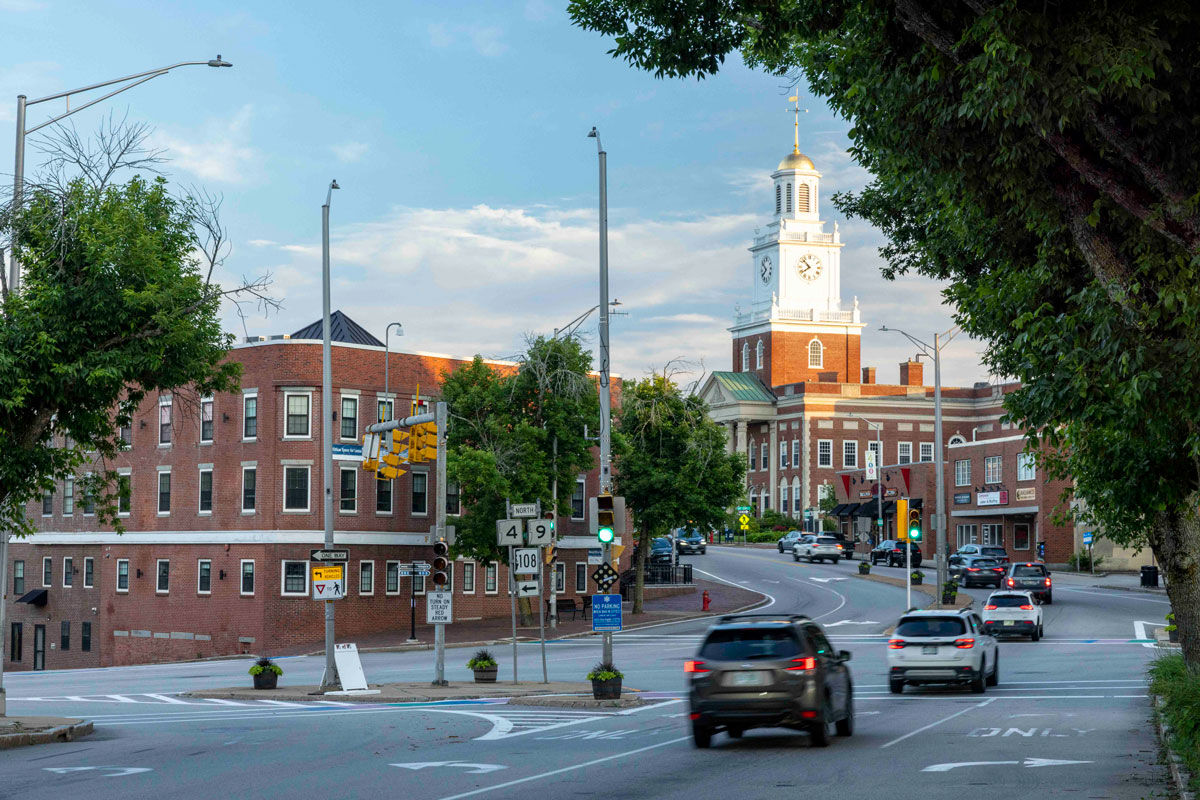
Dover's good fortune is partly a matter of geography. Just ten miles south, Portsmouth has become one of New England's hottest small cities — and one of its priciest, with surging home prices, clogged sidewalks, and rising rents squeezing out young people and small businesses. Many of them have looked north to Dover — one of several New England mill towns, like Biddeford, Maine, turning old factories into new downtowns —, which offers a similar walkable, historic, food-and-brewery downtown at a genuinely more attainable price. Dover has embraced the role, billing itself, fairly, as the "Affordable Seacoast."
Portsmouth's food, coast, and Boston access — at a price young families can actually afford.
Advertisement
The wider economy is strong. The New Hampshire Seacoast has been a regional job engine, with advanced manufacturing and high-tech businesses drawn by its quality of life, and the University of New Hampshire sits just next door in Durham. That base — plus healthcare and education employers — gives Dover a real economy, and the Amtrak Downeaster and major highways connect it to Portsmouth, Boston to the south, and Portland to the north.
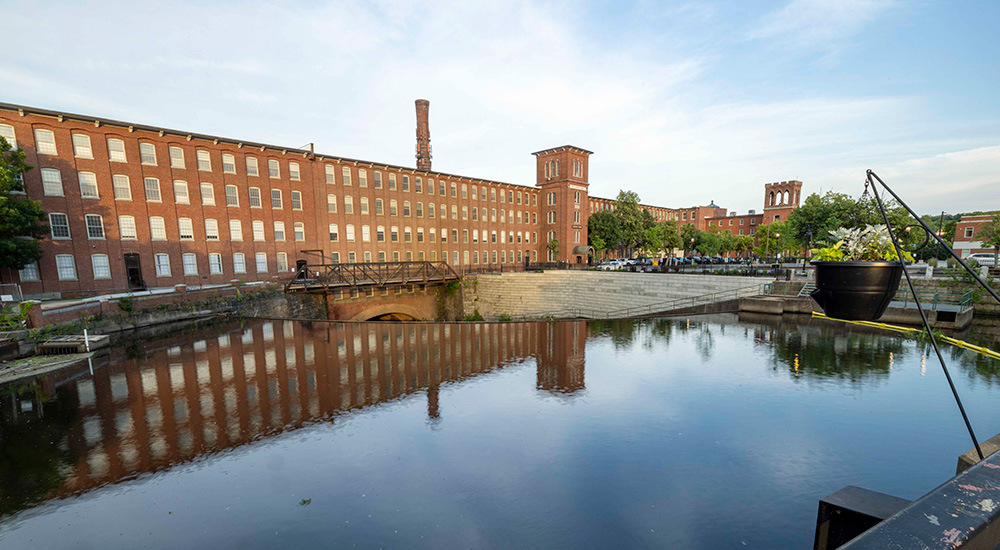
New Hampshire's particular advantages sharpen the appeal. The state levies no income tax and no sales tax, a meaningful draw for relocating families and professionals, and Dover pairs that with a walkable downtown, riverfront trails like the Community Trail, the restored Garrison Hill tower with its Seacoast views, and easy access to beaches and the outdoors. For families in particular, the downtown Woodman Museum and strong community feel are part of the pitch.
Dover faces the growth pressures of a discovered city — rising prices and the challenge of building fast enough chief among them, and it remains more affordable than Portsmouth rather than truly cheap. But the trajectory is clear and increasingly recognized. A revitalized mill downtown, a booming Seacoast economy, no state income tax, and real value beside its pricier neighbor have made Dover one of the most sought-after small cities in New Hampshire. For the visitor it makes an easy, walkable Seacoast stop. For the growing number who settle in, it makes the case for the Seacoast life without the Portsmouth price tag — which is exactly why they keep coming.
Dover, New Hampshire: FAQ
Is Dover, New Hampshire worth visiting?
Yes. Dover offers a walkable, revitalized mill downtown on the Cocheco River with restaurants, breweries, and shops, riverfront trails, the restored Garrison Hill tower with Seacoast views, and the family-favorite Woodman Museum. Ten miles from Portsmouth and close to the coast, it makes an easy, characterful Seacoast stop.
Why are people moving to Dover, NH?
Dover offers a walkable, historic downtown similar to Portsmouth's at a more affordable price — the 'Affordable Seacoast' — along with a strong Seacoast job market, proximity to UNH, no state income or sales tax, and Amtrak Downeaster access to Boston and Portland. Many newcomers are people priced out of nearby Portsmouth.
What is Dover known for?
Dover is known as one of the oldest communities in the U.S., for its revitalized Cocheco Mills complex of lofts, offices, and restaurants, its walkable riverfront downtown, the Woodman Museum, and its role as the more affordable alternative to nearby Portsmouth on New Hampshire's Seacoast.
Is Dover a good place to live?
Dover offers a walkable revitalized downtown, a strong Seacoast job market, riverfront trails, no state income or sales tax, and Amtrak access to Boston, all at a lower cost than nearby Portsmouth. It's one of the fastest-growing communities on the Seacoast, and prices have risen with demand, though it remains more affordable than its pricier neighbor.
Advertisement