How Refugees Helped Utica, the City That Wouldn't Die, Come Back
5 Reasons to Visit® · United States
How Refugees Helped Utica, the City That Wouldn't Die, Come Back
A Rust Belt city that lost half its people found an unlikely path back — as one of America's great refugee-resettlement communities, it became known as the town that loves refugees.
Advertisement
Utica, New York, is a Rust Belt city with a genuinely different story to tell. Set in the Mohawk Valley of central New York, midway between Albany and Syracuse, it was a booming textile and manufacturing center that, like so many, lost its industry and much of its population through the second half of the twentieth century. But somewhere in that decline, Utica became something remarkable and rare: one of the most active refugee-resettlement communities in the United States, a place that has been called "the town that loves refugees" — and that welcome became the engine of its comeback.
Advertisement
The numbers tell the story. Over recent decades, tens of thousands of refugees from around the world — Bosnians, Burmese, Vietnamese, Somalis, and many others — have resettled in Utica, at points making up a substantial share of the city's population and helping to stabilize neighborhoods and reopen storefronts that would otherwise have emptied out. The result is a small city with an extraordinary cultural diversity, its restaurants, markets, and places of worship reflecting a global community that has quite literally repopulated and revitalized it.
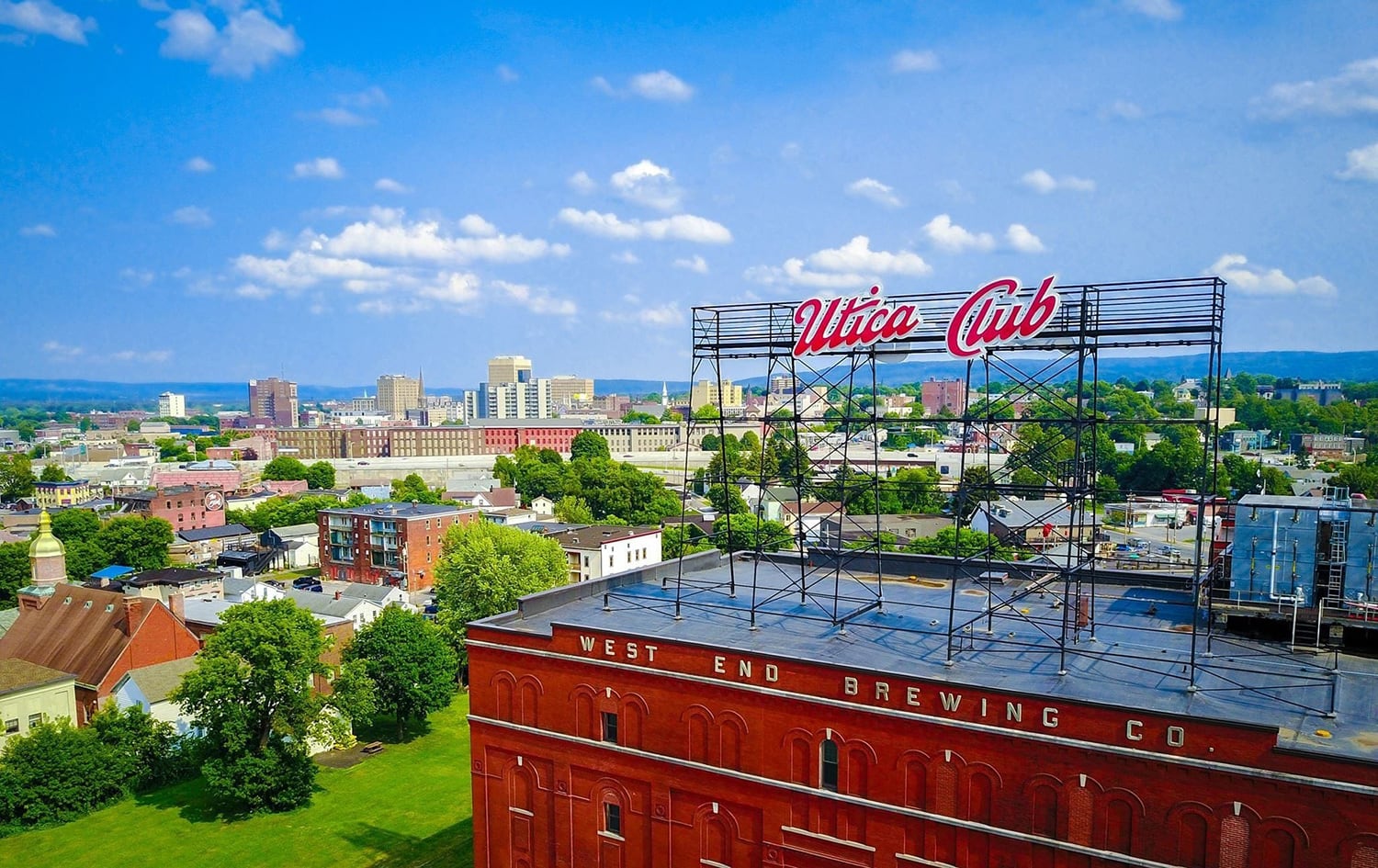
That diversity has enriched everything, especially the food. Utica offers a genuinely international dining scene alongside its own beloved regional specialties — this is the birthplace of chicken riggies, utica greens, and the tomato pie, and home to the historic Matt Brewery (Saranac), one of the oldest family-owned breweries in the country. Downtown, historic districts like Bagg's Square have seen revival, with breweries, restaurants, and lofts filling handsome old buildings.
A shrinking Rust Belt city stabilized by welcoming the world — dozens of nationalities in one Mohawk Valley downtown.
Advertisement
Utica also holds cultural assets far beyond its size. The Munson (formerly Munson-Williams-Proctor Arts Institute) is a world-class art museum and school with a collection and a landmark modernist building that would be the envy of a much larger city, anchoring a serious arts community. That kind of institution, in a city this affordable, is part of what makes Utica such an unusual value proposition.
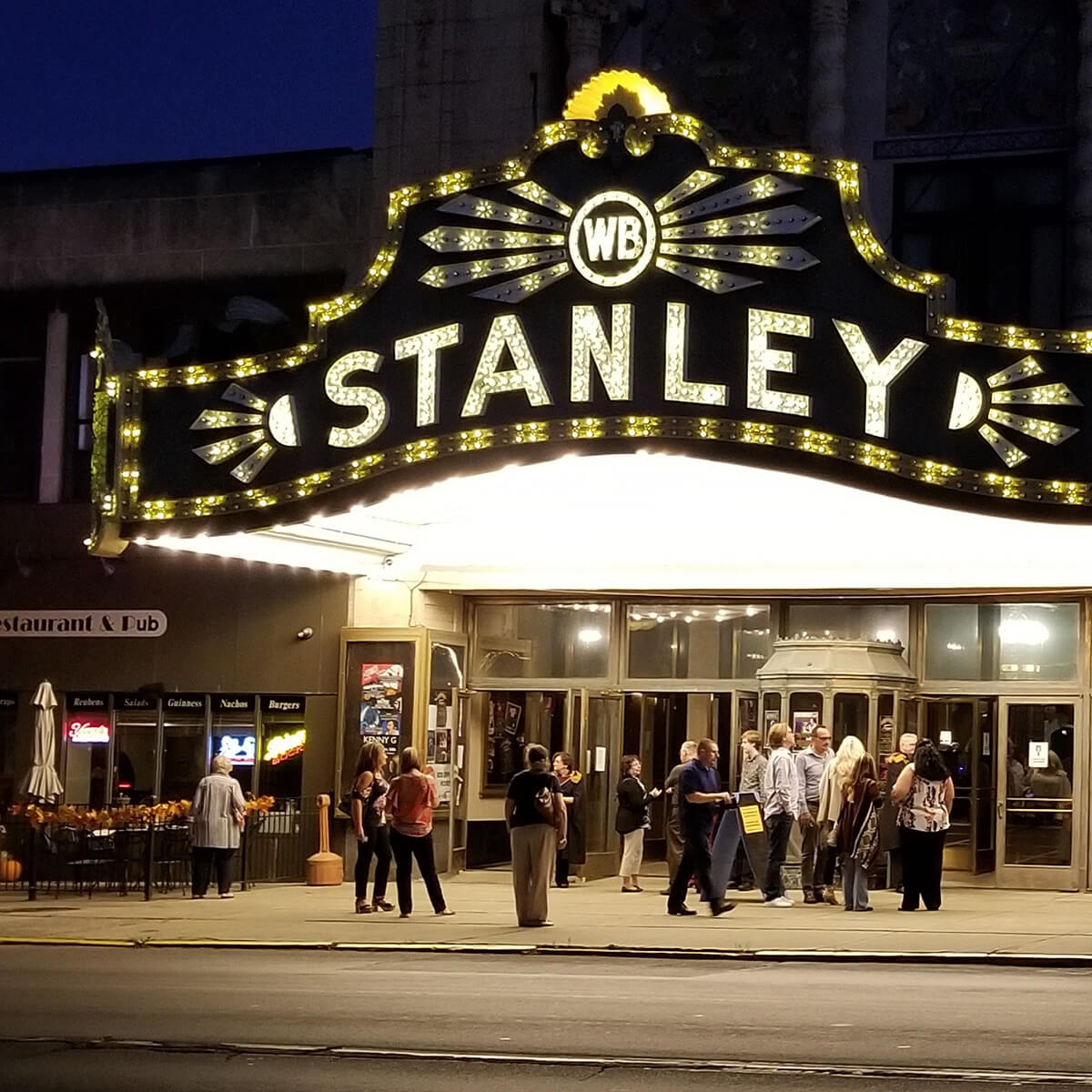
Setting and affordability round out the appeal. Utica sits at the doorstep of the Adirondacks — the largest protected wilderness in the eastern United States — with lakes, mountains, and trails a short drive north, and its cost of living and housing are among the most affordable in New York State. That combination of deep affordability, a revived and diverse downtown, culture, and outdoor access has drawn newcomers, including remote workers and those priced out of pricier parts of the Northeast — the same affordability draw lifting Upstate cities like Glens Falls, New York —.
Utica carries the honest challenges of a post-industrial city still working to fully recover. But its comeback is real, and its path to it genuinely inspiring. A remarkable refugee-driven diversity, a distinctive food culture, a world-class art museum, Adirondack access, and deep affordability have earned Utica its old nickname — "the city that God forgot to finish," locals joke, but also the city that wouldn't die. For the visitor it makes a surprising, delicious, culturally rich stop. For the growing number who settle in, it makes the case for an affordable, welcoming life in the Mohawk Valley — which is exactly why they keep coming.
Utica, New York: FAQ
Is Utica, New York worth visiting?
Yes. Utica offers an extraordinarily diverse, refugee-shaped culture and food scene, the world-class Munson art museum, the historic Matt (Saranac) Brewery, revived downtown districts like Bagg's Square, and its own regional specialties like chicken riggies and utica greens — all at the doorstep of the Adirondacks. It makes a surprising, delicious, culturally rich stop.
Why are people moving to Utica, NY?
Utica offers some of the most affordable housing in New York State, a revived and remarkably diverse downtown, a world-class art museum, a distinctive food scene, and Adirondack access. Decades of refugee resettlement helped stabilize and revitalize the city, and newcomers now include remote workers and people priced out of pricier parts of the Northeast.
What is Utica known for?
Utica is known as one of America's great refugee-resettlement communities — 'the town that loves refugees' — for its diverse culture and food, its regional specialties (chicken riggies, utica greens, tomato pie), the historic Matt (Saranac) Brewery, the Munson art museum, and its Mohawk Valley location near the Adirondacks.
Is Utica a good place to live?
Utica offers deep affordability, a diverse and revived downtown, a world-class art museum, a distinctive food scene, and easy access to the Adirondacks. Like many post-industrial cities it still faces recovery challenges, but its low cost of living, culture, and welcoming character make it an increasingly appealing value in New York.
Advertisement