How Sioux Falls Became One of the Great Boomtowns of the Plains
5 Reasons to Visit® · United States
How Sioux Falls Became One of the Great Boomtowns of the Plains
Built around the waterfalls that gave it its name, South Dakota's largest city has quietly become one of the fastest-growing and most livable places on the northern plains.
Advertisement
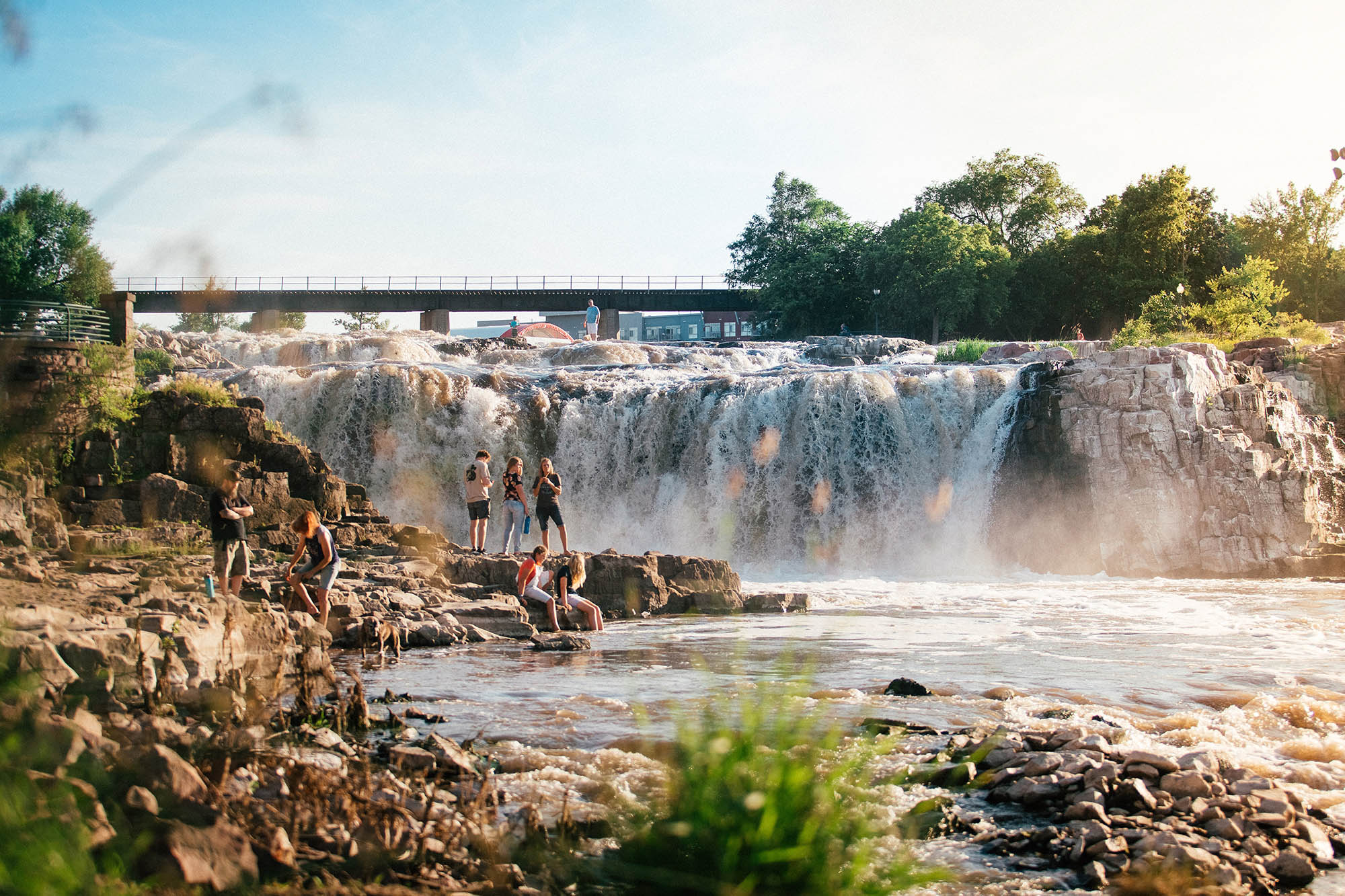
Sioux Falls, South Dakota, takes its name from the reason it exists: the cascading falls of the Big Sioux River, tumbling over pink quartzite in the heart of the city. Once a modest agricultural and meatpacking hub on the eastern edge of South Dakota, Sioux Falls has become one of the fastest-growing and most economically dynamic cities on the northern plains — a genuine boomtown that consistently lands on national rankings for its economy, job market, and quality of life, drawing newcomers from across the region and beyond.
Advertisement
The economic engine is powerful and diversified. Sioux Falls is a major regional center for healthcare — anchored by two large health systems, Sanford Health and Avera, which together employ tens of thousands — and it became a national finance hub decades ago when South Dakota's business-friendly banking laws drew major credit-card and financial operations to the city. That base of healthcare and finance, combined with manufacturing and a growing tech presence, has given Sioux Falls one of the lowest unemployment rates in the country and a remarkably stable economy.
South Dakota's tax structure is a major part of the draw. The state levies no personal income tax and no corporate income tax, a genuine financial advantage that boosts take-home pay and has drawn both businesses and individuals. Combined with a cost of living below the national average and attainable housing, that tax picture makes Sioux Falls one of the most financially appealing places to build a career or a business in the Midwest.
A no-income-tax city built around a genuine waterfall park — and one of the lowest jobless rates in America.
Advertisement
The city has invested in livability. Falls Park, surrounding the namesake waterfalls, is a beautiful downtown centerpiece, and the revitalized Phillips Avenue district downtown has filled with restaurants, shops, galleries, and a sculpture walk. An extensive network of bike trails loops the city, parks are abundant, and the arts and dining scenes have grown steadily richer as the population has boomed. It's a city that has used its prosperity to become genuinely pleasant to live in.
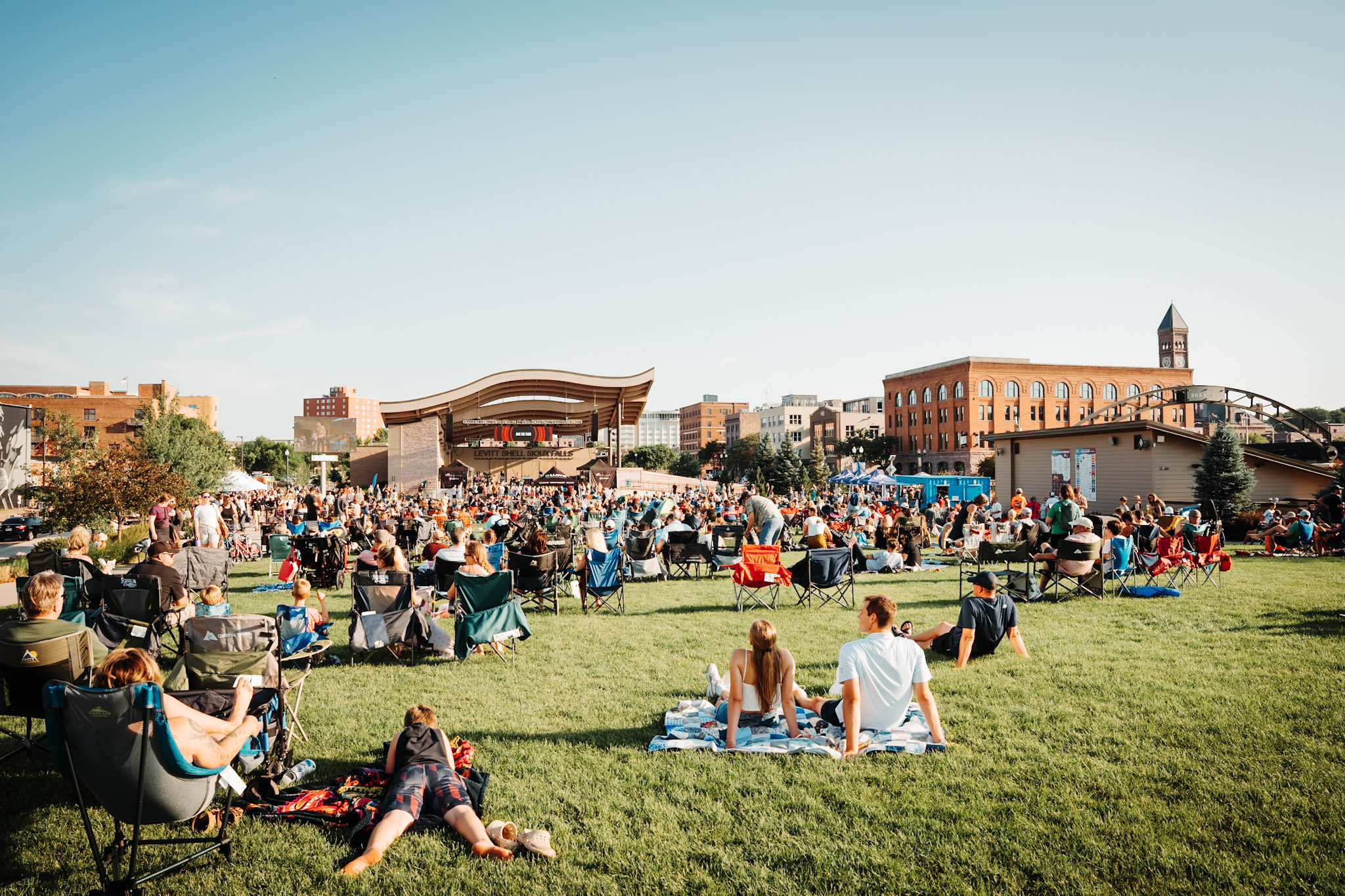
That combination keeps pulling people in. Sioux Falls offers real economic opportunity, no state income tax, a walkable and improving downtown, outdoor access, and Midwestern affordability, and it has grown rapidly as a result, drawing young professionals, families, and businesses — the same prairie-boomtown momentum lifting Fargo, North Dakota —. Its regional airport and interstate crossroads keep it connected, and it serves as the economic capital of a wide swath of the northern plains.
Sioux Falls contends with the growth pressures of a booming city, and winters on the northern plains are cold. But the appeal is powerful and durable. A diversified, recession-resistant economy, no state income tax, a waterfall park downtown, and genuine affordability have made Sioux Falls one of the great boomtowns of the plains. For the visitor it makes a surprising, pleasant stop. For the growing number who settle in, it makes the case for a prosperous, affordable life where your paycheck goes further — which is exactly why they keep coming.
Sioux Falls, South Dakota: FAQ
Is Sioux Falls, South Dakota worth visiting?
Yes. Sioux Falls is built around Falls Park, where the Big Sioux River tumbles over pink quartzite in the heart of the city, and offers a revitalized downtown along Phillips Avenue with restaurants, shops, galleries, and a sculpture walk, plus extensive bike trails. It makes a surprising and pleasant stop on the northern plains.
Why are people moving to Sioux Falls, SD?
Sioux Falls offers a diversified, booming economy anchored by healthcare (Sanford and Avera) and finance, one of the lowest unemployment rates in the country, no state income tax, a cost of living below the national average, and a walkable, improving downtown. It's one of the fastest-growing cities in the Midwest.
What is Sioux Falls known for?
Sioux Falls is known for Falls Park and the waterfalls of the Big Sioux River, for being a major regional healthcare and finance hub (home to Sanford Health and Avera and major credit-card operations), for South Dakota's lack of a state income tax, and for its rapid growth and strong economy.
Is Sioux Falls a good place to live?
Sioux Falls offers a strong, diversified economy, very low unemployment, no state income tax, a revitalized downtown, abundant parks and trails, and affordability below the national average, making it one of the most economically appealing cities in the Midwest. Winters are cold, but the value and opportunity are significant draws.
Advertisement