How the Electric City Is Powering Its Own Revival
5 Reasons to Visit® · United States
How the Electric City Is Powering Its Own Revival
The coal town that electrified America is wiring itself for a second act — converting its grand industrial bones into lofts and drawing remote workers priced out of New York.
Advertisement
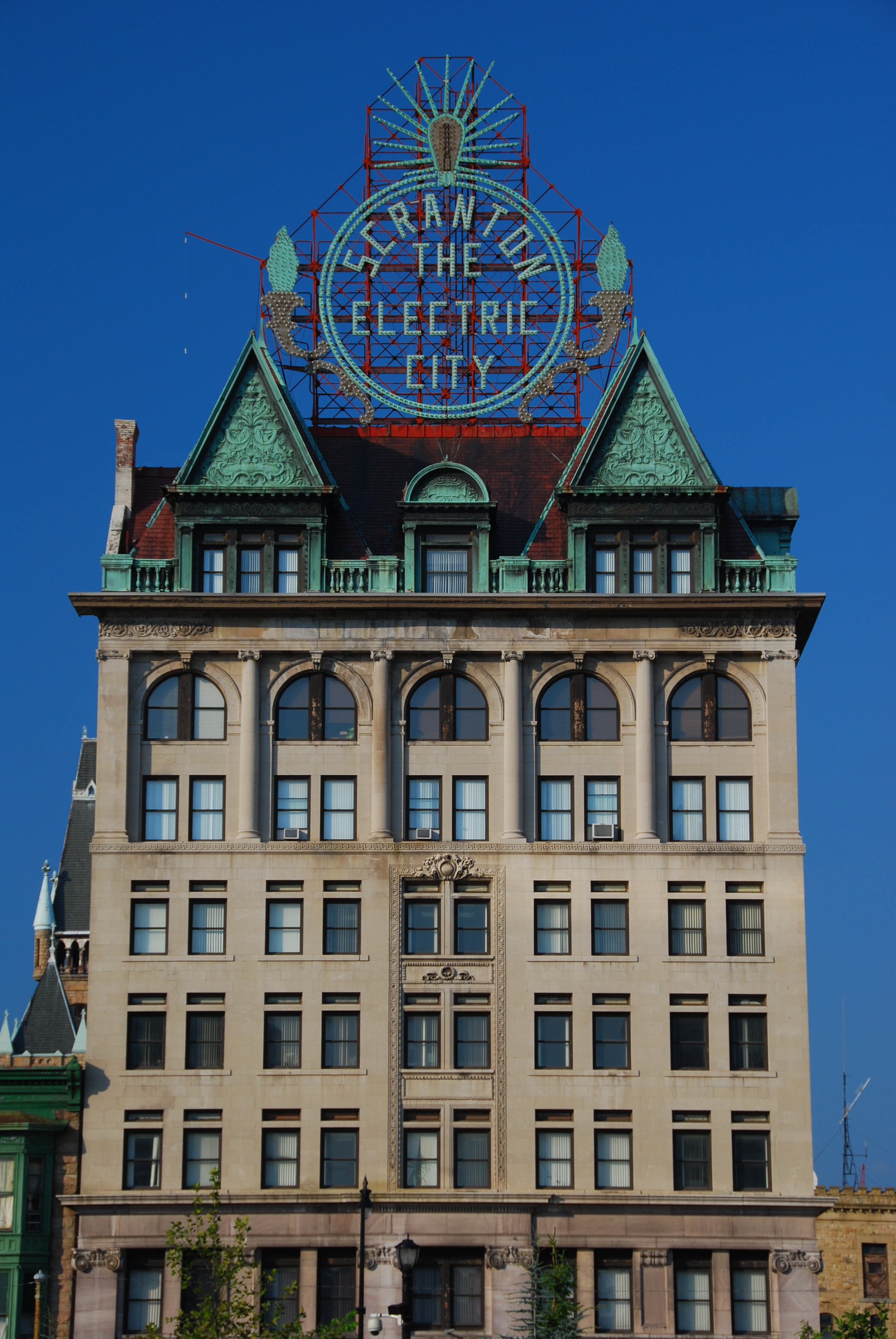
Scranton, Pennsylvania, earned its nickname the hard way. Known as the "Electric City" since it ran one of the country's first successful electric streetcar systems in the 1880s, this coal-and-railroad hub in the Lackawanna Valley of northeastern Pennsylvania once helped power industrial America. Then came the long post-industrial decline. But over the past decade Scranton has been quietly staging a comeback — converting its grand old bones into a walkable, affordable, increasingly desirable city for the remote-work era — and it has become one of the more compelling revival stories in the Northeast.
Advertisement
The heart of the revival is downtown. After decades of decline, Scranton's downtown has undergone a real commercial, architectural, and cultural revitalization: historic industrial and commercial buildings have been converted into trendy lofts, so more people are living downtown than ever before, while coworking spaces, restaurants, farmers' markets, festivals, and a growing arts scene have brought the streets back to life. It's the classic legacy-city playbook, and in Scranton it's genuinely working.

The city's history is a destination in itself. Scranton's coal-and-rail heritage is preserved in attractions found almost nowhere else: Steamtown National Historic Site, a National Park Service railroad museum built around a historic rail yard, and the Lackawanna Coal Mine Tour, which takes visitors three hundred feet underground into a real anthracite mine, sit side by side in McDade Park. Add the Electric City Trolley Museum and the grand architecture of a city built on industrial wealth, and Scranton wears its history with real pride.
Historic industrial lofts, a walkable downtown, and NYC two hours away — with homes around $150,000.
Advertisement
The outdoor and cultural amenities round it out. The seventy-mile Lackawanna River Heritage Trail threads the valley for walking and cycling; Nay Aug Park offers gorges, pools, and green space right in the city; and Montage Mountain provides skiing, a waterpark, and a popular outdoor amphitheater just minutes away. The University of Scranton and Marywood University anchor a college-town energy and a healthcare-and-education economy, and the city's pop-culture fame — as the setting of "The Office" and the birthplace of a U.S. president — keeps its name in the national conversation.
Affordability and location are driving the new interest. Scranton sits roughly a hundred and twenty miles — about two hours — from New York City, close enough that "super-commuters" and remote workers have begun moving in to trade big-city costs for a much lower cost of living, with median home prices around a hundred fifty thousand dollars and rents a fraction of the metro's. For remote workers, young families, and people priced out of New York and New Jersey — the same wave lifting nearby revival cities like Binghamton, New York — a real city with historic character, outdoor access, and genuine affordability within reach of the metro is an increasingly attractive proposition.
Scranton is honest about its layers — it's a gritty, working post-industrial city still climbing back, with real challenges alongside its progress, not a polished resort town. But that authenticity is central to its appeal, and its momentum is real. A revitalized downtown of historic lofts, a remarkable coal-and-rail heritage, outdoor and college-town amenities, and true affordability within two hours of New York have made the Electric City one of the most underrated comeback stories in the Northeast. For the visitor it makes a fascinating, history-rich stop. For the growing number who settle in, it makes the case for a characterful city on the rise at a fraction of the big-city price — which is exactly why they keep coming.
Scranton, Pennsylvania: FAQ
Is Scranton, Pennsylvania worth visiting?
Yes. Scranton offers Steamtown National Historic Site (a National Park Service railroad museum), the Lackawanna Coal Mine Tour 300 feet underground, the Electric City Trolley Museum, Nay Aug Park, Montage Mountain (skiing and an outdoor amphitheater), grand historic architecture, a revitalized downtown, and pop-culture fame as the setting of 'The Office.' It makes a fascinating, history-rich stop in northeastern Pennsylvania.
Why are people moving to Scranton, PA?
Scranton offers a revitalized downtown of historic lofts, a real city's amenities, outdoor access, and a very low cost of living — median home prices around $150,000 — about two hours from New York City. That mix has drawn 'super-commuters,' remote workers, and young families priced out of New York and New Jersey seeking affordability and character.
What is Scranton known for?
Scranton is known as 'The Electric City' for running one of the first electric streetcar systems, for its coal-mining and railroad heritage (preserved at Steamtown National Historic Site and the Lackawanna Coal Mine Tour), as the setting of the TV show 'The Office,' the birthplace of President Joe Biden, and increasingly for its downtown revival and affordability.
Is Scranton a good place to live?
Scranton offers a revitalized downtown, historic character, outdoor amenities like the Lackawanna River Heritage Trail and Montage Mountain, a college-town and healthcare economy, and a very low cost of living within two hours of New York City. The main trade-offs are that it's a gritty post-industrial city still climbing back, with real challenges alongside its progress.
Advertisement