The Canadian Border City Where the Great Lakes Meet the Wilderness
5 Reasons to Visit® · United States
The Canadian Border City Where the Great Lakes Meet the Wilderness
Across the river from its American twin, 'The Soo' pairs a historic lock and a reborn waterfront with the world's only bushplane museum and a wilderness rail journey into Group of Seven country — the Great Lakes at the edge of the wild.
Advertisement
Sault Ste. Marie, Ontario, sits at one of the most dramatic meeting points in North America — where Lake Superior pours into Lake Huron down the rushing St. Marys River, and where Canada faces the United States across the water. Known affectionately as "The Soo" (from the old French word for the rapids), this Northern Ontario city of about seventy thousand is the twin of Sault Ste. Marie, Michigan, its American mirror image just fifteen minutes away across the International Bridge. It's a genuine border city with a split personality: half historic Great Lakes port, half gateway to some of the wildest country in Ontario.
Advertisement
The river and its locks are the heart of it. The St. Marys River drops about twenty-one feet between the two Great Lakes, and for centuries that rapids was both a highway and a barrier — which is why the locks here are so historic. The Sault Ste. Marie Canal National Historic Site, the birthplace of the city, still operates, and you can cruise through both the Canadian and American lock systems aboard the Miss Marie, waving across the border as you pass beneath the International Bridge. Watching the giant lake freighters work through the locks is a quintessential Soo experience.
Its signature museum is genuinely one of a kind. The Canadian Bushplane Heritage Centre, set in a historic waterfront hangar, is the only bushplane museum in the world — home to two dozen restored bushplanes and firefighting aircraft, hands-on exhibits, and flight simulators that tell the story of how these rugged planes opened up and protected Canada's vast northern forests. Consistently rated the city's top attraction, it's a soaring, only-in-the-Soo kind of place.
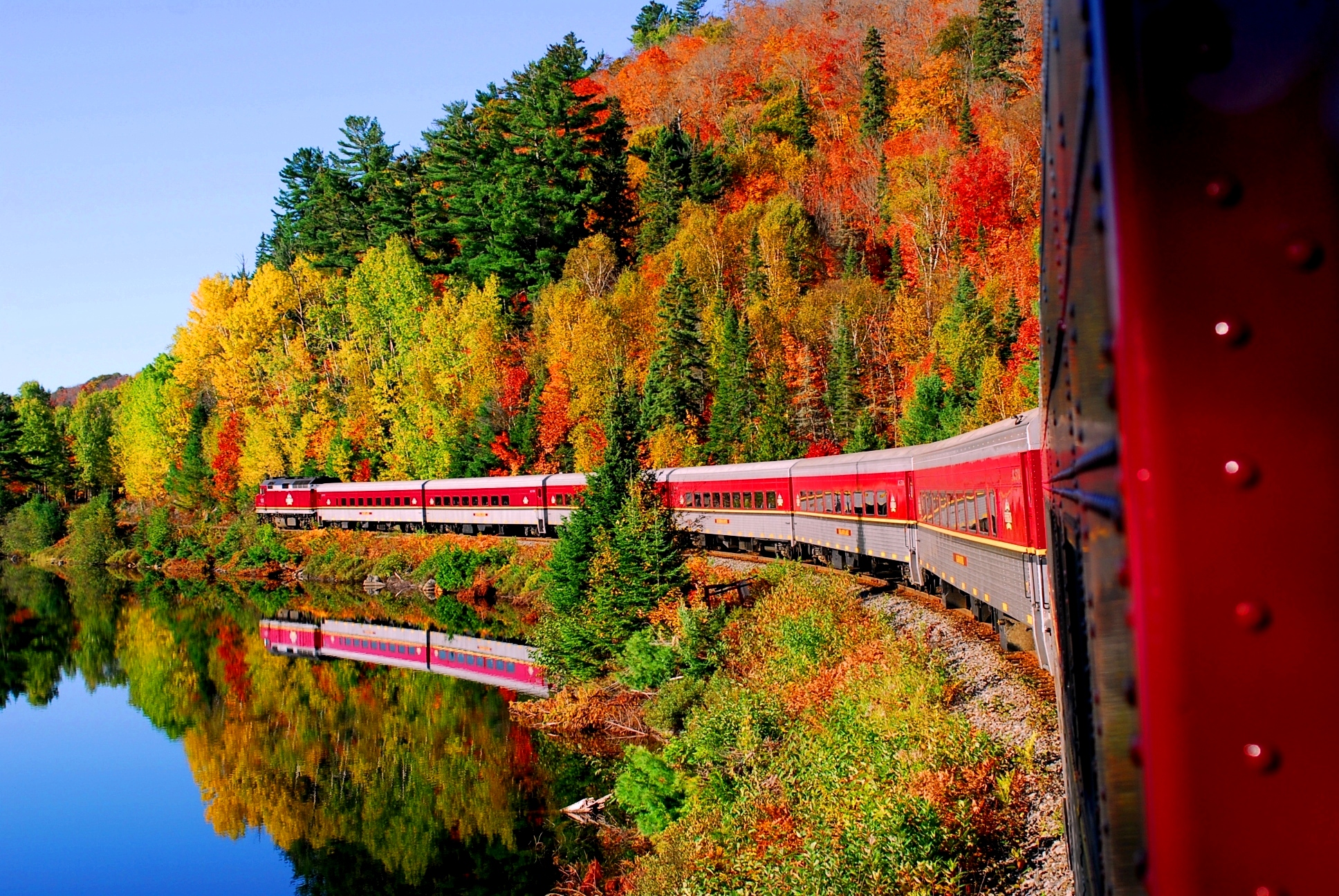
A historic lock, the world's only bushplane museum, and a rail line into the wilderness.
Advertisement
The most famous experience, though, leaves the city entirely. The Agawa Canyon Tour Train is a legendary full-day wilderness rail excursion that carries passengers north into the rugged Algoma country that inspired Canada's Group of Seven painters — descending some five hundred feet into Agawa Canyon for a layover of hiking, waterfalls, and lookouts before returning. Running from August into mid-October, it's at its jaw-dropping best during Northern Ontario's brilliant fall foliage, and it draws visitors from across the continent.
Downtown and the waterfront have real energy. The revitalized Canal District and riverside are a walkable hub of parkland, dining, and culture — the Art Gallery of Algoma, the Ermatinger-Clergue National Historic Site, craft breweries like Outspoken and Northern Superior, and Italian institutions like Arturo Ristorante reflecting the city's strong heritage. Indigenous-led tours share the Anishinaabe history of this ancient gathering place on the rapids, adding depth to the border-town story.
And beyond the city, the wilderness takes over completely. Billed as "Ontario's best adventure town," the Soo is a four-season basecamp: hiking to the lookouts of Robertson Cliffs, paddling the St. Marys, skiing and fat-biking at Searchmont, and snowmobiling some of the best trails in the province, with Lake Superior's wild north shore stretching away to the west. Sault Ste. Marie is honest about being a working northern city on the edge of everything rather than a polished resort — but that's exactly its appeal. A historic lock, the world's only bushplane museum, a rail line into Group of Seven country, and true wilderness at the city limits have made the Soo one of the most distinctive border cities in Canada. For the visitor it makes a genuinely different kind of Great Lakes escape; for anyone drawn to where civilization meets the wild, few places sit so squarely on that line.
Sault Ste. Marie, Ontario: FAQ
Is Sault Ste. Marie, Ontario worth visiting?
Yes. Sault Ste. Marie, Ontario — 'The Soo' — offers the historic Sault Ste. Marie Canal and lock cruises aboard the Miss Marie, the world's only bushplane museum (the Canadian Bushplane Heritage Centre), the famous Agawa Canyon Tour Train into wilderness immortalized by the Group of Seven, the Art Gallery of Algoma, a revitalized Canal District waterfront, and year-round outdoor adventure. It sits across the St. Marys River from its twin city in Michigan.
What is Sault Ste. Marie known for?
Sault Ste. Marie, Ontario is known as 'The Soo,' a Great Lakes border city at the rapids where Lake Superior meets Lake Huron. It's famous for its historic locks and canal, the Agawa Canyon Tour Train, the world's only bushplane museum, its twin-city relationship with Sault Ste. Marie, Michigan across the International Bridge, and as a gateway to Northern Ontario's Algoma wilderness.
What is the Agawa Canyon Tour Train?
The Agawa Canyon Tour Train is a full-day wilderness rail excursion from Sault Ste. Marie, Ontario that travels north into the rugged Algoma region that inspired Canada's Group of Seven painters, descending about 500 feet into Agawa Canyon for a layover with hiking, waterfalls, and lookouts. It runs from early August to mid-October and is especially popular during the fall foliage season.
How far is Sault Ste. Marie, Ontario from the U.S. border?
Sault Ste. Marie, Ontario sits directly on the U.S.–Canada border, connected to its twin city of Sault Ste. Marie, Michigan by the Sault Ste. Marie International Bridge across the St. Marys River. Downtown is reachable in about 15 minutes from the American Soo Locks, depending on border wait times.
Advertisement