How St. Petersburg Turned Its Walls Into a World-Class Art City
5 Reasons to Visit® · United States
How St. Petersburg Turned Its Walls Into a World-Class Art City
A city once known mainly for shuffleboard and sunshine painted itself into one of Florida's most dynamic downtowns — nearly 600 murals at a time.
Advertisement
For most of the twentieth century, St. Petersburg, Florida, had a gentle, slightly sleepy reputation: a warm, affordable waterfront city on the Gulf side of Tampa Bay, known for sunshine, green benches, and a large retirement community. It was pleasant and stable and, by most accounts, a little bland. That St. Petersburg is gone. Over the past two decades — and especially the last ten years — the city has transformed itself into one of the most dynamic and creative downtowns on the Florida Gulf Coast, a place now defined by art, food, and water rather than shuffleboard.
Advertisement
The most visible sign of the change is on the walls. After the city loosened an old ban on street art about a decade ago, St. Petersburg embraced murals with extraordinary enthusiasm, and today nearly six hundred of them splash across the sides of buildings downtown and in the surrounding arts districts. The annual SHINE Mural Festival adds new work each fall, turning whole neighborhoods into an open-air gallery. It is grassroots art at a scale few American cities can match, and it has become central to the city's identity.
The institutional art scene is just as serious. St. Petersburg is home to the Dalí Museum — holding the largest collection of Salvador Dalí's work outside Europe — along with the Chihuly Collection, the Museum of Fine Arts, and a thriving glass-art community that has led the region to call itself "the Glass Coast." For a city of its size, that concentration of first-rate museums and galleries is remarkable, and it anchors a downtown that has become a genuine cultural destination.
Nearly 600 murals, a Dalí museum, and a waterfront downtown that reinvented a retirement town.
Advertisement
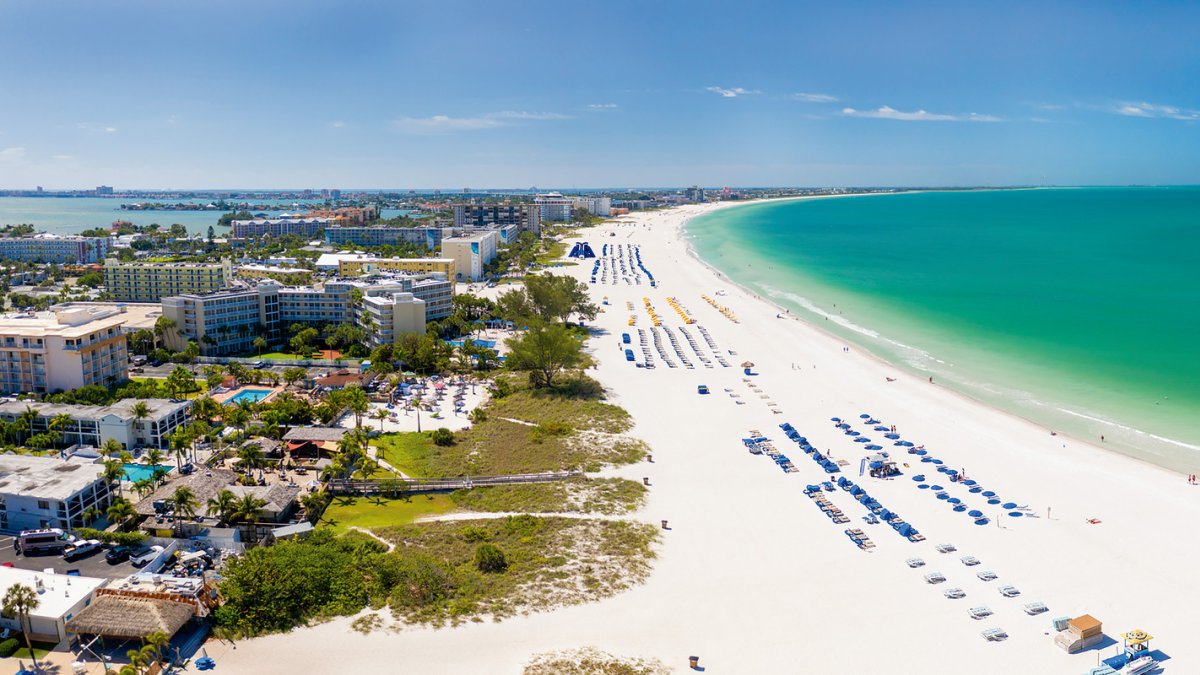
Around the art has grown a downtown built for walking. Central Avenue and the surrounding districts are lined with independent restaurants, wine bars, breweries, and shops, and the revitalized waterfront — with its parks, marina, and the landmark inverted-pyramid Pier — gives the city one of the most attractive urban cores in Florida. Sunshine, water views, and easy outdoor living are woven through daily life, with the Gulf beaches a short drive away.
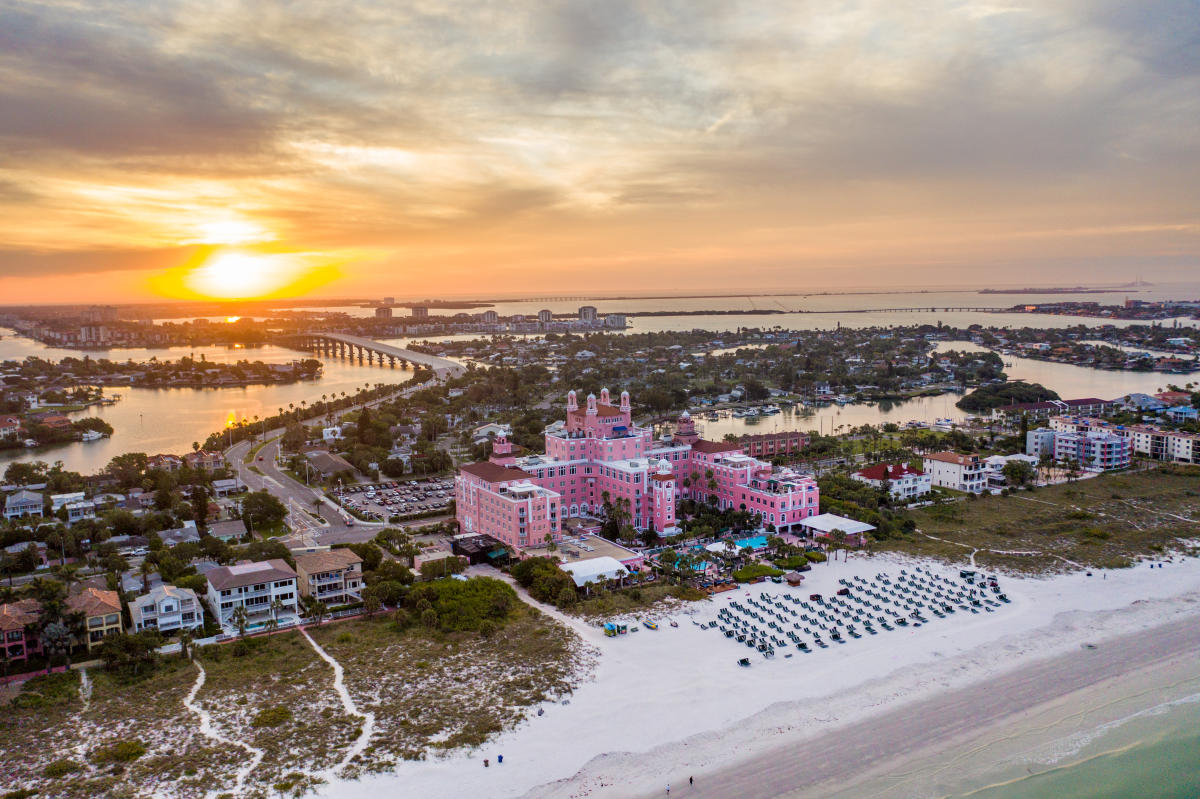
That combination is what has driven the migration. The transformation has attracted a younger, creative population — the same wave lifting its Gulf Coast neighbor Sarasota, Florida — — drawn by good restaurants, water views, the arts scene, and the ability to work remotely — to a city that still offered relative value on the fast-growing Tampa Bay coast. As the wider region became one of the country's hottest destinations for relocation, St. Petersburg's walkable, art-filled downtown made it a particular magnet, and home values have climbed accordingly.
St. Petersburg still wrestles with the growth and affordability pressures that come with sudden popularity, and locals are candid about them. But the essential transformation is genuine and deeply rooted. Nearly six hundred murals, world-class museums, a walkable waterfront downtown, and a creative, sun-soaked energy have turned a sleepy retirement town into one of the most vibrant cities in Florida. For the visitor it makes a colorful, art-filled Gulf Coast weekend. For the many who choose to stay, it makes the case for a creative life by the water — which is exactly why they keep arriving.
St. Petersburg, Florida: FAQ
Is St. Petersburg, Florida worth visiting?
Yes. St. Petersburg offers nearly 600 murals across its downtown arts districts, world-class museums including the Dalí Museum and the Chihuly Collection, a walkable waterfront downtown with the landmark Pier, a strong food and craft-beer scene, and easy access to Gulf beaches. It makes a colorful, art-filled Gulf Coast weekend.
Why are people moving to St. Petersburg, FL?
St. Petersburg has drawn a younger, creative population with its transformed arts-filled downtown, waterfront living, strong restaurant scene, sunshine, and the ability to work remotely, all on the booming Tampa Bay coast. It offered relative value as the wider region became one of the country's hottest relocation destinations, though home prices have since risen.
What is St. Petersburg known for?
St. Petersburg is known for its nearly 600 murals and the SHINE Mural Festival, the Dalí Museum, the Chihuly Collection and its glass-art scene as 'the Glass Coast,' a walkable waterfront downtown with the iconic Pier, and its sunny Gulf Coast location on Tampa Bay.
Is St. Petersburg a good place to live?
St. Petersburg offers a walkable, art-filled waterfront downtown, world-class museums, a strong food scene, sunshine, and Gulf beaches nearby, with no Florida state income tax. Home prices have risen as the arts-driven downtown and the wider Tampa Bay region have boomed, but the city still offers relative value on the Gulf Coast.
Advertisement