5 Reasons to Visit® · United States
How Bozeman Became the Boomtown of the New West
A college town where four mountain ranges relax into a valley has become the fastest-growing corner of Montana — equal parts startup hub, ski town, and Yellowstone gateway.
Advertisement
Bozeman, Montana, sits in a spot where, as one writer put it, four mountain ranges decide enough is enough and relax into a fertile valley. For most of its history it was a classic Western college-and-ranch town — Montana State University, agriculture, and a scattering of tourists passing through on their way to Yellowstone. That Bozeman is barely recognizable now. Over the past fifteen years it has undergone one of the most dramatic transformations of any small city in America, roughly doubling in size and becoming the defining boomtown of the New West.
Advertisement
The engine is a rare and durable combination: a growing research university feeding a genuine tech economy. Montana State anchors the city with a record student body and steady research and jobs, and around it has grown what locals only half-jokingly call the Silicon Valley of the Rockies. A deep photonics and optics cluster, software and fintech firms, an outdoor-industry base, and a long roster of startups have given Bozeman a diversified economy that has largely avoided the boom-bust cycles of single-industry mountain towns. Remote workers and tech founders priced out of the coasts have poured in, laptops and ambitions in tow.
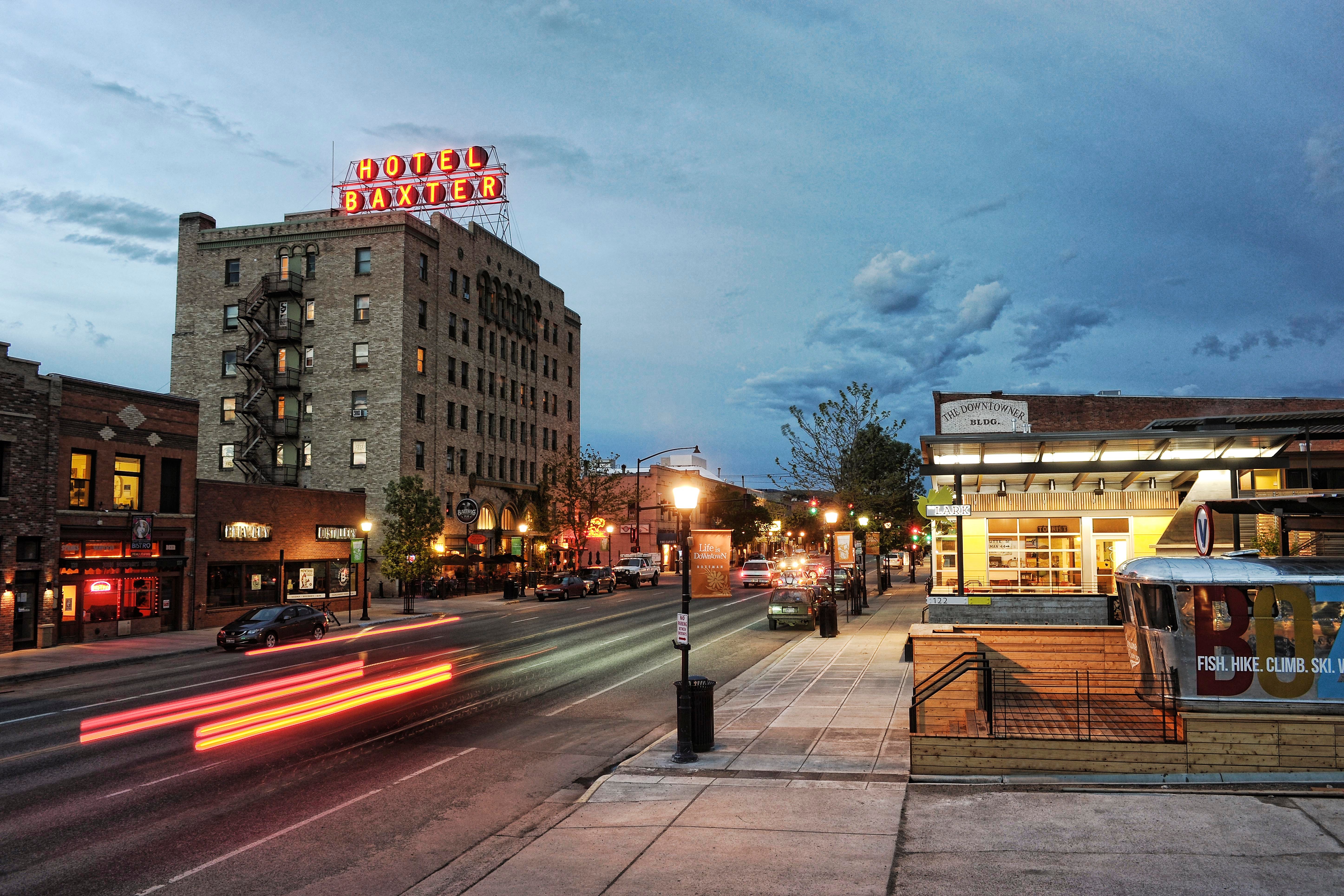
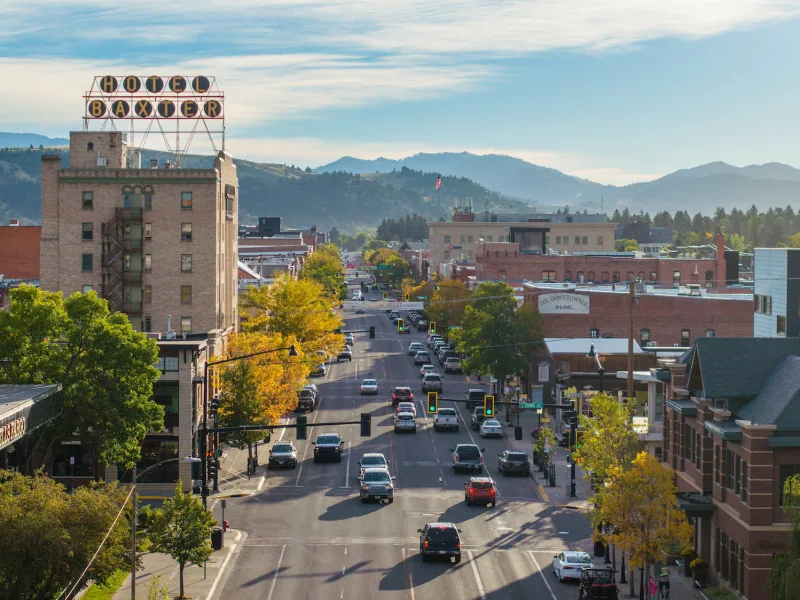
Downtown grew up to meet them. Bozeman's historic Main Street, with the Bridger Mountains rising directly above it, has become a genuine culinary and cultural hub — breweries, cocktail bars, bookstores, galleries, and an unlikely density of good restaurants for a city its size, anchored by the excellent Museum of the Rockies and its world-class dinosaur collection. It is a walkable, lively core that feels far more cosmopolitan than its population would suggest, without losing the brick-fronted character of a Western downtown.
French bistros and blockchain startups in a town that's still ninety minutes from Yellowstone.
Advertisement
The setting, of course, is the whole point. Yellowstone National Park is about ninety minutes south; the blue-ribbon trout waters of the Gallatin, Madison, and Yellowstone rivers are at hand; and world-class skiing waits at Bridger Bowl and the enormous Big Sky resort nearby. Hiking, climbing, and backcountry access begin at the edge of town. For residents, this is not vacation scenery but daily life, and it is precisely what makes the remote-work migration so powerful — the office is anywhere, and the trailhead is right there.
That combination is what keeps pulling people in. Montana levies no state sales tax, the airport has become one of the fastest-growing in the nation with direct flights to more than twenty cities, and the schools, low crime, and outdoor lifestyle show up constantly in newcomers' reasons for coming. Relocation from higher-cost states has been the consistent driver, the same force reshaping Western hubs like Bend, Oregon, drawn by a quality of life that has only become more valuable as work has grown more flexible.
Bozeman's success is also its central tension, and residents name it bluntly — the growth that made it a boomtown has driven housing costs to levels that strain the very community it attracted, and geographic limits on where the city can expand keep supply tight. But the underlying appeal is undeniable. A rising university, a diversified tech economy, a walkable Main Street, and Yellowstone-caliber wilderness at the doorstep have made Bozeman the model of the New West boomtown. For the visitor it makes the best basecamp in Montana. For the growing number who stay, it makes the case for a mountain life with a real economy attached — which is exactly why they keep arriving.
Bozeman, Montana: FAQ
Is Bozeman, Montana worth visiting?
Yes. Bozeman offers a walkable historic Main Street full of breweries, restaurants, and shops, the excellent Museum of the Rockies, and unmatched access to the outdoors — Yellowstone is about 90 minutes away, with blue-ribbon trout rivers and skiing at Bridger Bowl and Big Sky nearby. It's the most accessible and enjoyable basecamp for a Montana trip.
Why are so many people moving to Bozeman?
Bozeman has roughly doubled in size as remote workers, tech founders, and families relocate from higher-cost states, drawn by a diversified economy anchored by Montana State University and a growing tech and photonics sector, no state sales tax, a walkable downtown, and Yellowstone-caliber outdoor access. It has been among the fastest-growing cities in the U.S.
Is Bozeman a good place to live?
Bozeman offers a rising university, a diversified and growing tech economy, a lively walkable downtown, strong schools, low crime, and world-class outdoor access. The major trade-off is a high cost of living, especially housing, which has climbed sharply with the city's rapid growth.
What is Bozeman known for?
Bozeman is known as a gateway to Yellowstone National Park, home to Montana State University, a growing tech and photonics hub sometimes called the 'Silicon Valley of the Rockies,' the Museum of the Rockies, blue-ribbon trout fishing, and skiing at Bridger Bowl and nearby Big Sky.
Advertisement