How a High-Desert Mill Town Became the Outdoor Capital of the Northwest
5 Reasons to Visit® · United States
How a High-Desert Mill Town Became the Outdoor Capital of the Northwest
Where the Cascades meet the high desert, a former timber town has reinvented itself into the outdoor-recreation capital of the Northwest — and one of the West's hottest addresses.
Advertisement
Bend, Oregon, spent most of the twentieth century as a timber town. Set on the Deschutes River where the eastern slope of the Cascades gives way to the high desert, it was built around sawmills, and when the timber industry declined late in the century, Bend faced the familiar reckoning of a resource town losing its reason for being. What it did next has made it one of the most sought-after cities in the American West: it turned its extraordinary natural setting into an economy, reinventing itself as the outdoor-recreation capital of the Northwest.
Advertisement
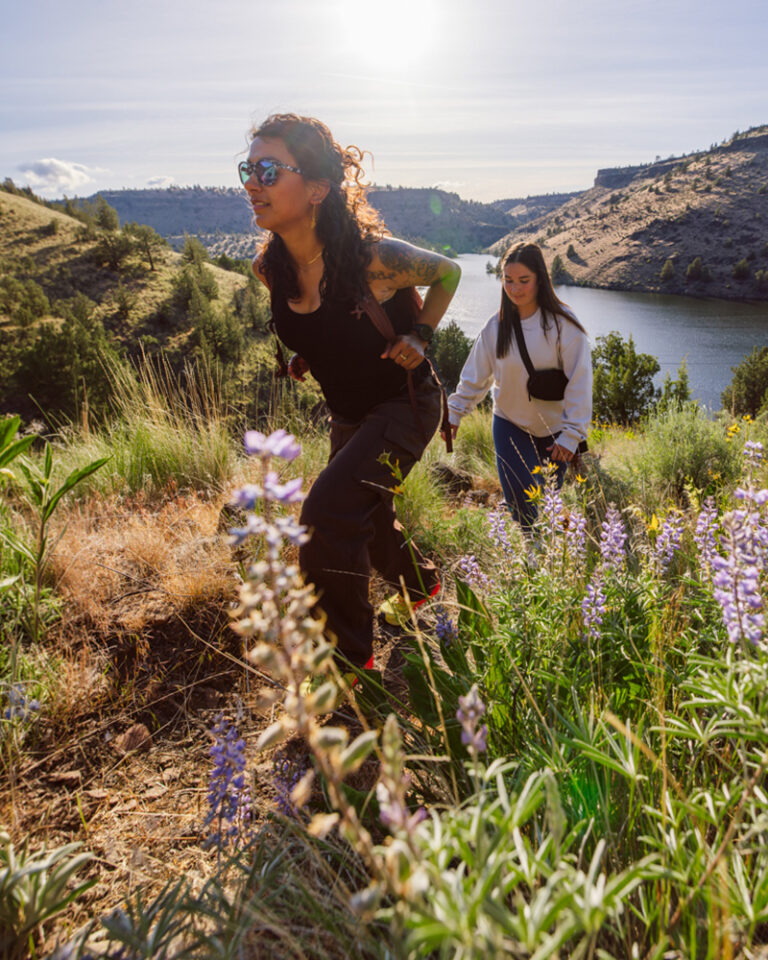
The recreation is genuinely world-class, and it runs all year. Mount Bachelor offers major skiing and snowboarding through a long winter; the Deschutes River draws floaters, paddlers, and anglers through the summer; and the surrounding high desert and Cascade lakes deliver a staggering density of hiking, mountain biking, rock climbing, and fishing. With around 300 days of sunshine a year, Bend packs in a lifestyle where you can ski in the morning and float the river in the afternoon — the kind of thing that turns a visit into a relocation.
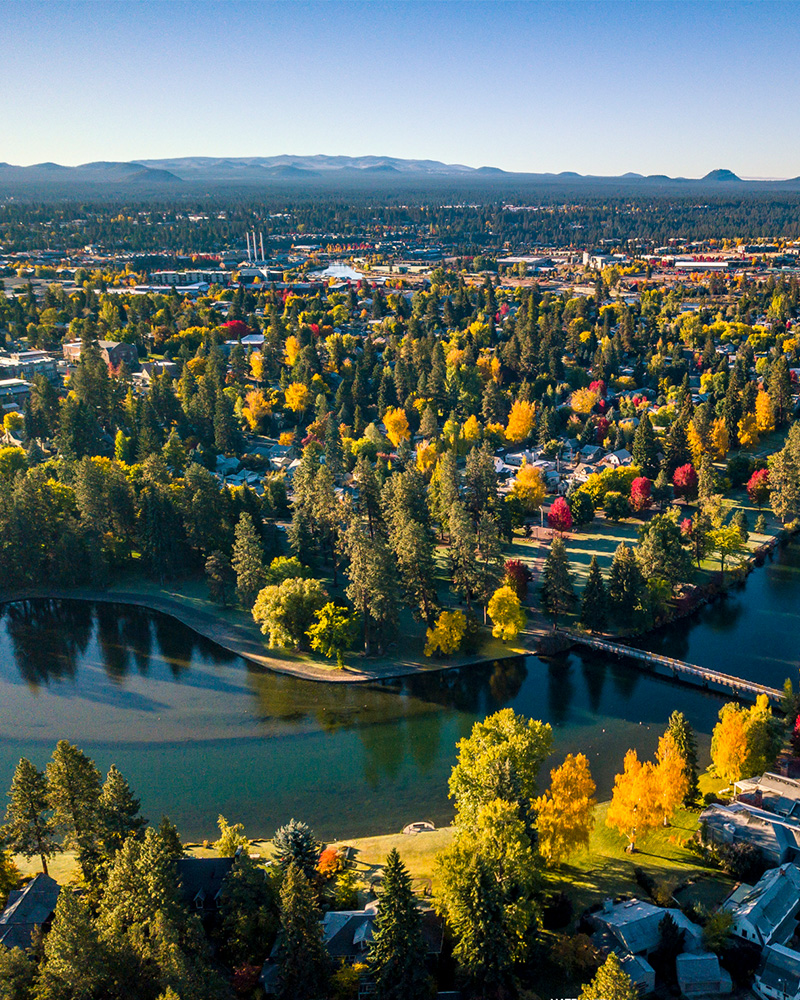
The town grew a culture to match. Bend has become one of the great craft-beer cities in America, with a famous "ale trail" of breweries that anchors its social life, and its food scene, coffee roasters, and outdoor-industry brands have followed. Downtown is compact and walkable, and the Old Mill District — where the sawmills once stood — has been reborn as a riverside shopping, dining, and entertainment hub, a literal transformation of the old economy into the new one.
Skiing in the morning, a river float after lunch, and a beer trail with more stops than most cities have blocks.
Advertisement
Behind the lifestyle sits a real and diversifying economy. Beyond tourism and the outdoor industry, Bend has drawn technology firms, startups, and a large population of remote workers who came for the recreation and stayed to build businesses — a shift that accelerated as remote work untethered high earners from expensive coastal cities. Portland is a few hours away, and the regional airport keeps Bend connected, but for many the point is precisely that it isn't a big city.
That migration has reshaped the town. People priced out of or worn down by the West Coast metros have flowed into Bend — the same migration fueling mountain hubs like Bozeman, Montana — for the sunshine, the trails, and the quality of life, and the growth has been dramatic. Oregon's lack of a sales tax and the sheer amount of recreation folded into daily life sharpen the appeal, even as the influx has pushed the cost of living well above its mill-town roots.
Bend wrestles openly with the strains of its own popularity — housing affordability chief among them, along with the perennial Western tension between growth and the landscape that draws people in. But the appeal is undeniable and clearly durable. World-class year-round recreation, a legendary beer and food scene, a walkable downtown, and high-desert sunshine have turned a fading mill town into the outdoor capital of the Northwest. For the visitor it makes an active, sun-soaked escape. For the growing number who stay, it makes the case for a life organized around the outdoors — which is exactly why they keep coming.
Bend, Oregon: FAQ
Is Bend, Oregon worth visiting?
Yes. Bend is the outdoor-recreation capital of the Northwest, offering skiing at Mount Bachelor, floating and fishing on the Deschutes River, extensive hiking and mountain biking, a famous craft-beer 'ale trail,' a walkable downtown, and the riverside Old Mill District — all under about 300 days of sunshine a year. It makes an active, sun-soaked escape.
Why are people moving to Bend, OR?
Bend has drawn remote workers, entrepreneurs, and families priced out of West Coast metros with its world-class year-round outdoor recreation, craft-beer and food scene, walkable downtown, high-desert sunshine, and a diversifying tech economy. Oregon has no sales tax, and the recreation-rich lifestyle became more attainable as remote work spread.
What is Bend known for?
Bend is known as the outdoor-recreation capital of the Northwest — skiing at Mount Bachelor, floating the Deschutes River, and extensive trails — as well as its craft-beer 'ale trail,' the Old Mill District, high-desert scenery, and around 300 days of sunshine a year.
Is Bend a good place to live?
Bend offers world-class year-round outdoor recreation, a strong beer and food scene, a walkable downtown, abundant sunshine, and a diversifying economy, with no state sales tax in Oregon. The main trade-off is a cost of living, especially housing, that has risen sharply with the city's popularity.
Advertisement