Atlanta · Georgia
The Atlanta Beltline Is the Best Way to See Atlanta: 6 Neighborhoods to Explore Along the Trail
Skip the car. Atlanta’s old railroad loop is now a 22-mile ribbon of trails, parks, public art and food halls. Here are the six neighborhoods to explore along the way, and how to see them.

Most cities show visitors their best side from a tour bus. Atlanta does it from a trail. The Atlanta Beltline follows a ring of old railroad corridors around the city, and what was once overgrown track is now one of the most exciting urban spaces in America: a loop of paths, parks and public art lined with restaurants, breweries, galleries and markets.
The best way to experience it is the way locals do, one neighborhood at a time. Here are six that capture the Beltline at its best, from the buzzing Eastside Trail to the art-filled Westside.
Atlanta doesn’t show visitors its best side from a tour bus. It does it from a trail.
The 6 Neighborhoods at a Glance
- Old Fourth Ward · Ponce City Market, Historic Fourth Ward Park and Martin Luther King Jr.’s birthplace.
- Inman Park · Victorian homes, Krog Street Market and Atlanta’s favorite spring festival.
- Reynoldstown · A historic, close-knit neighborhood with a laid-back slice of the trail.
- Piedmont Park · Atlanta’s great green lawn, next to the Atlanta Botanical Garden.
- Westside · Murals, breweries and Atlanta’s largest park.
- West End · One of Atlanta’s oldest neighborhoods, with history, art and food.
1. Old Fourth Ward
On the Eastside Trail
Ponce City Market, Historic Fourth Ward Park and Martin Luther King Jr.’s birthplace.
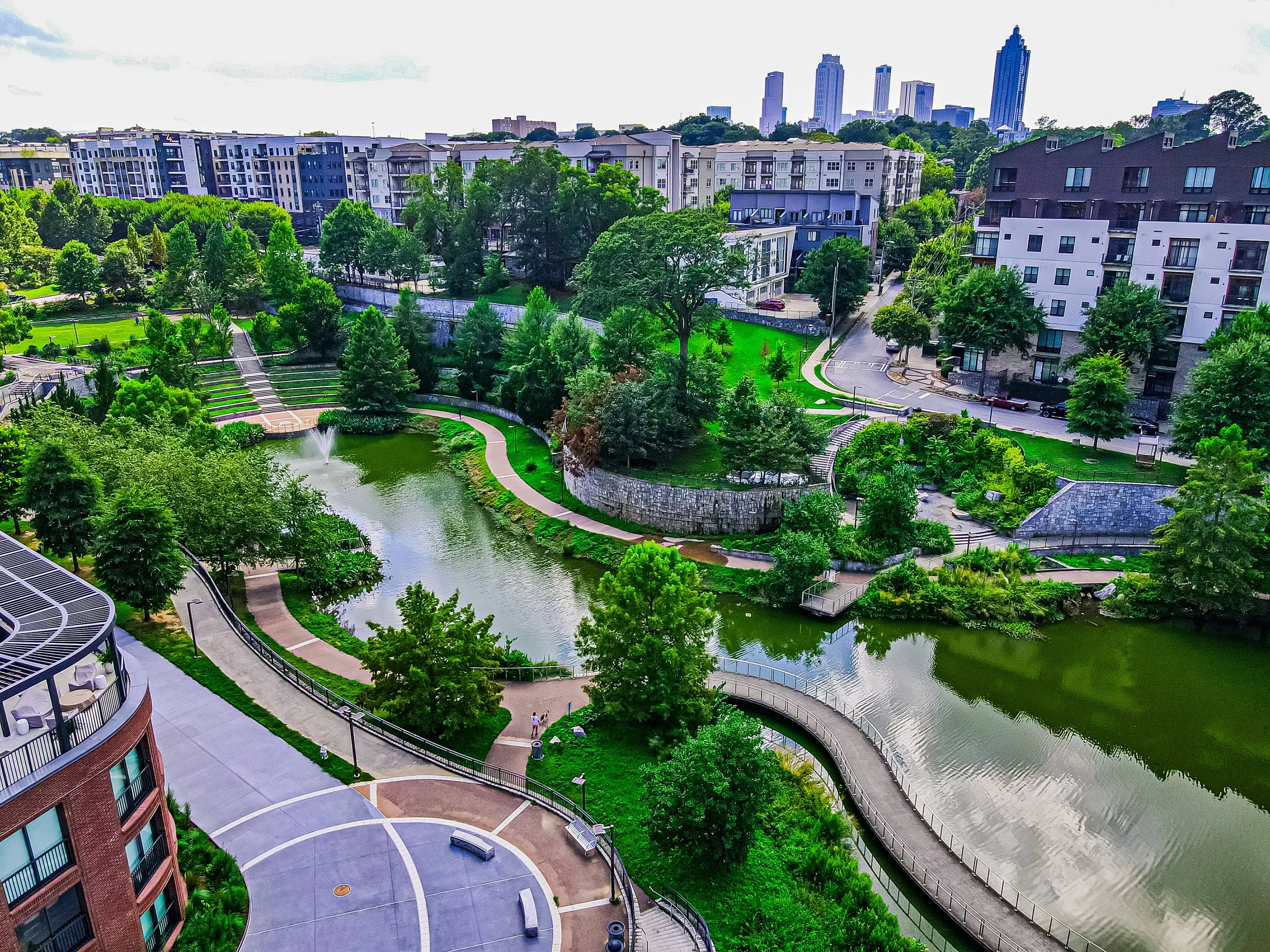
- Start at Ponce City Market, the landmark former Sears, Roebuck & Co. building turned food hall, shops and rooftop amusement park.
- Watch the splash pad and amphitheater come alive at Historic Fourth Ward Park, a green space built around a stormwater pond.
- Walk to the Martin Luther King Jr. National Historical Park on Auburn Avenue, including his birth home and Ebenezer Baptist Church.
Insider tip: The Eastside Trail’s busiest, buzziest stretch, and the easiest place to start.
2. Inman Park
On the Eastside Trail
Victorian homes, Krog Street Market and Atlanta’s favorite spring festival.
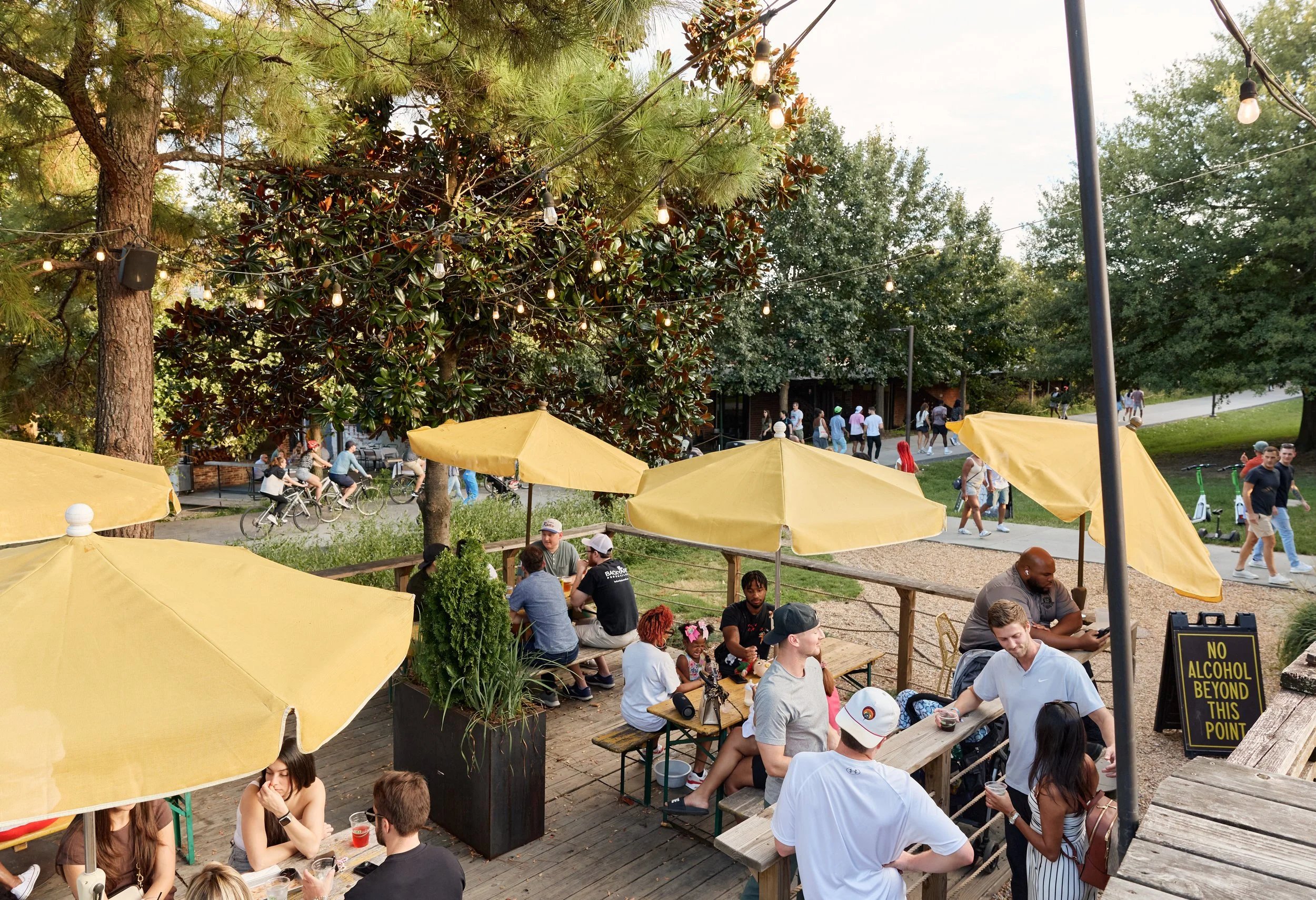
- Wander Atlanta’s first planned suburb, laid out in the 1880s, with tree-shaded streets of restored Victorian homes.
- Eat your way through Krog Street Market, a food hall with local favorites under one roof.
- Snap the ever-changing graffiti of Krog Street Tunnel, just off the trail.
Insider tip: Come in late April for the Inman Park Festival, one of the city’s best street parties.
3. Reynoldstown
On the Eastside Trail
A historic, close-knit neighborhood with a laid-back slice of the trail.
- Learn the roots of a neighborhood founded after the Civil War by Madison Reynolds, a formerly enslaved man, and named in his honor.
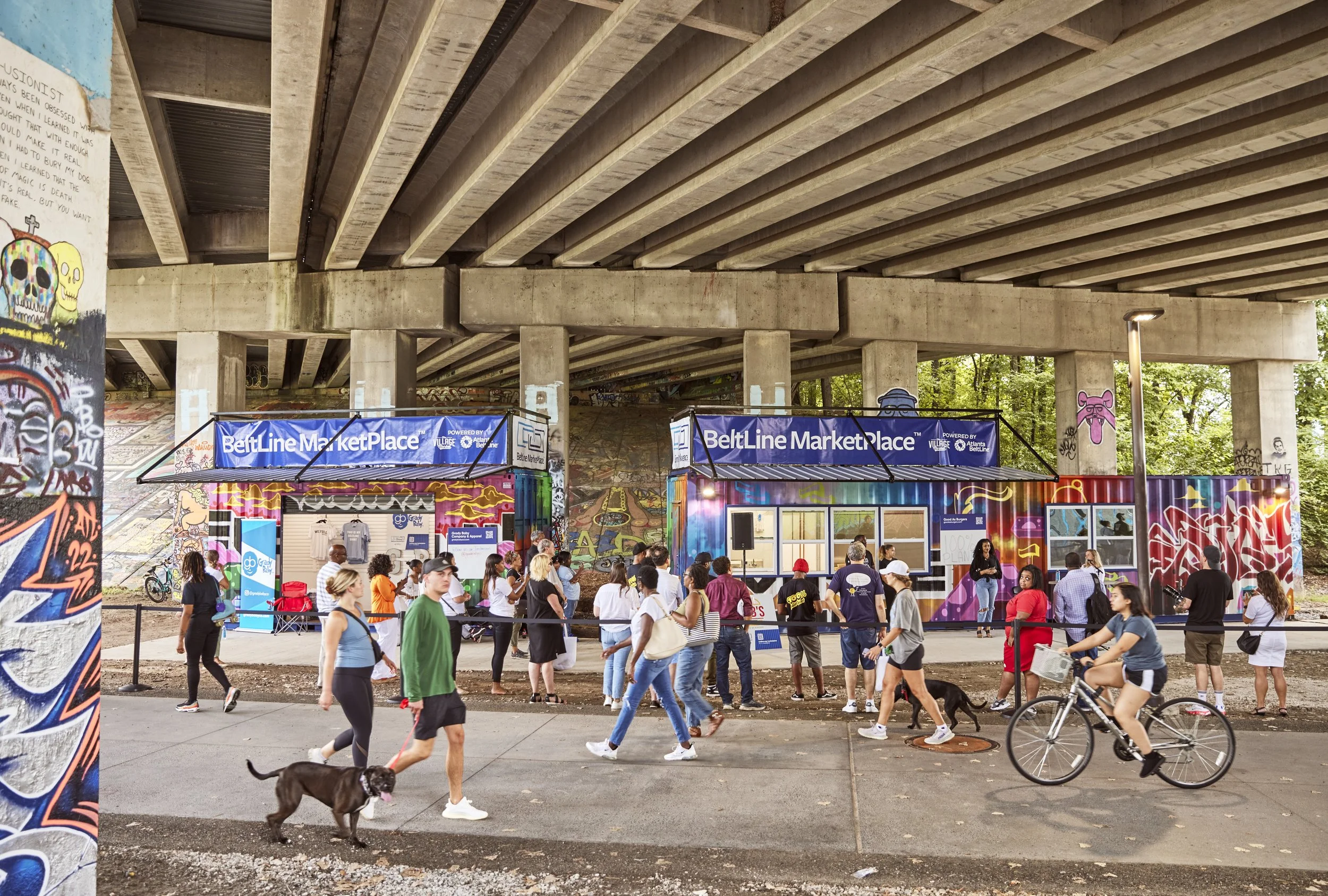
- Ride the quieter southern end of the Eastside Trail, with murals and new parks along the way.
- Grab a coffee or a beer at the local spots that have sprung up beside the path.
Insider tip: A calmer, more local feel than the Eastside Trail’s northern end.
4. Piedmont Park
On the Eastside Trail
Atlanta’s great green lawn, next to the Atlanta Botanical Garden.
- Spread a blanket on the lawns of the city’s most famous park, with the Midtown skyline as a backdrop.
- Visit the Atlanta Botanical Garden next door for its gardens and canopy walk.
- Circle Lake Clara Meer, then pick up the Beltline on the park’s eastern edge.
Insider tip: Perfect for a picnic break in the middle of a long Beltline walk.
5. Westside
On the Westside Trail
Murals, breweries and Atlanta’s largest park.
- Follow the Westside Trail, lined with some of the Beltline’s most striking public art.
- Stop at the neighborhood breweries and taprooms that make this side of the loop a weekend favorite.
- Head to Westside Park, Atlanta’s largest park, built around a former granite quarry.
Insider tip: Wider, quieter and full of surprises compared with the Eastside.
6. West End
On the Westside Trail
One of Atlanta’s oldest neighborhoods, with history, art and food.
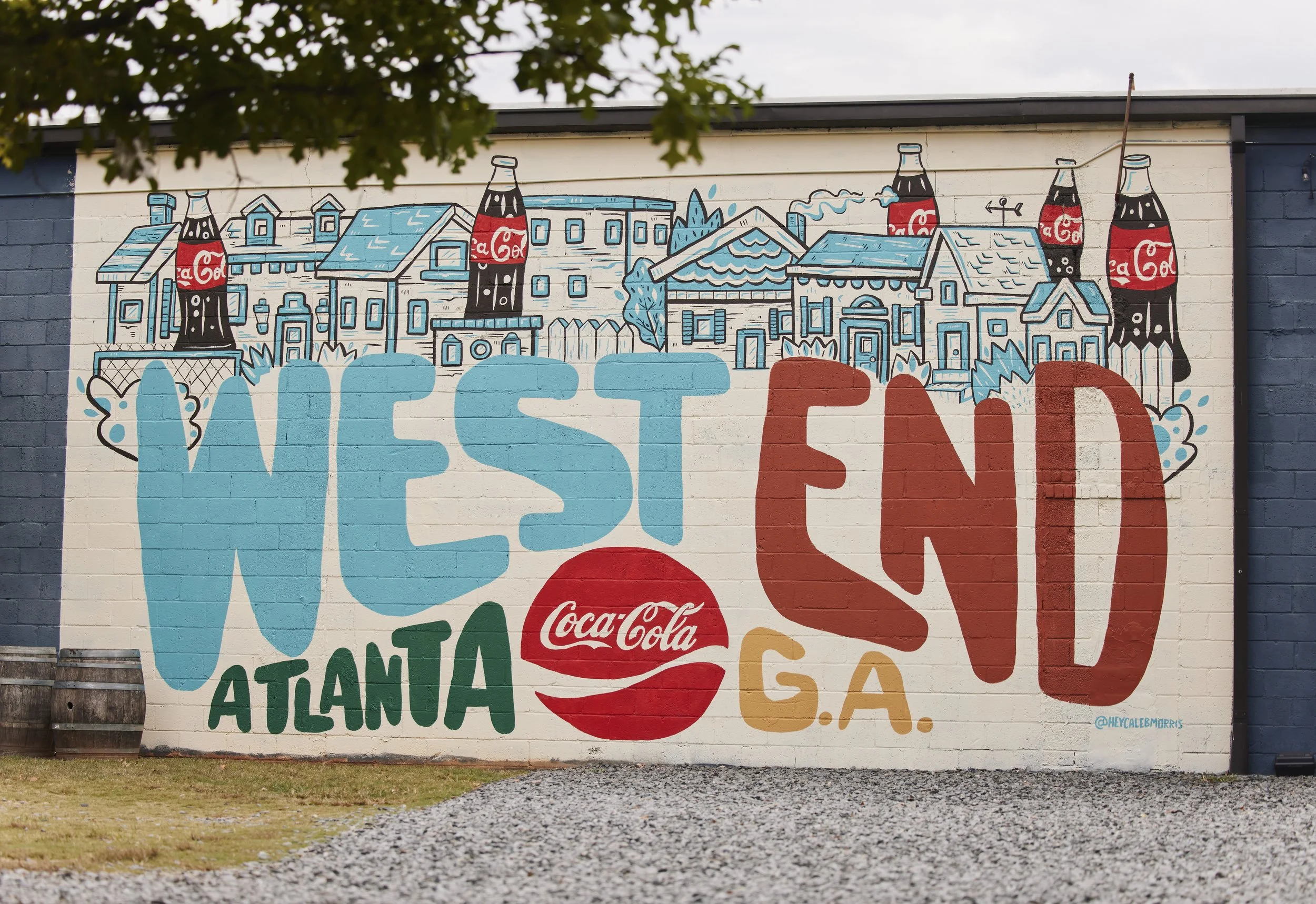
- Tour the Wren’s Nest, a historic house museum in one of Atlanta’s oldest neighborhoods.
- See work by artists of the African diaspora at the Hammonds House Museum.
- Refuel at the food halls and breweries that have grown up along the Westside Trail.
Insider tip: Rich in history and culture, and easy to reach on the southwest side of the loop.
How to explore the Beltline
The trails are free and open to everyone, so pick a section and go. Walk the Eastside Trail for the classic experience, or rent a bike or scooter to string several neighborhoods together in a day. Keep an eye out for the Beltline’s free fitness classes, guided tours and community events, and for the murals and installations of Art on the Atlanta Beltline, the largest free public art exhibition in the Southeast. Flying in? Atlanta’s airport is the gateway; read why it’s the busiest in the world.
Atlanta Beltline — At a Glance
- What
- A 22-mile loop of trails, parks and planned transit around Atlanta
- Open now
- More than 16 miles of trail
- Neighborhoods
- Connects 45 neighborhoods
- Cost
- Free
- Best for first-timers
- The Eastside Trail, from Piedmont Park to Inman Park
- Don’t miss
- Ponce City Market, Krog Street Market, Art on the Atlanta Beltline
Plan Your Atlanta Trip
Stay near the Eastside Trail to walk straight onto the Beltline, and compare hotels and flights for your visit.
Frequently Asked Questions
What is the Atlanta Beltline?
The Atlanta Beltline is a 22-mile loop of trails, parks and planned future transit that circles Atlanta along former railroad corridors, connecting 45 neighborhoods. More than 16 miles of trail are open to walk, run, bike and roll.
Which Atlanta Beltline neighborhoods should I visit?
Six of the best neighborhoods to explore along the Atlanta Beltline are Old Fourth Ward, Inman Park, Reynoldstown and Piedmont Park on the east side, and the Westside and West End on the west side.
What is the best part of the Atlanta Beltline to walk?
The Eastside Trail is the most popular section for first-time visitors, linking Piedmont Park, Old Fourth Ward, Ponce City Market, Inman Park and Krog Street Market. For a quieter walk with striking public art, try the Westside Trail.
Is the Atlanta Beltline free?
Yes. The Atlanta Beltline’s trails and parks are free and open to the public, and Art on the Atlanta Beltline is the largest free public art exhibition in the Southeast. Free fitness classes and community events are held throughout the year.
How long does it take to walk the Atlanta Beltline?
Most visitors explore one section at a time. The Eastside Trail can be walked in an hour or two with stops, while seeing several neighborhoods in a day is easiest by bike or scooter, both widely available to rent.
Where should I eat on the Atlanta Beltline?
Ponce City Market in Old Fourth Ward and Krog Street Market in Inman Park are the two classic food stops on the Eastside Trail. On the west side, look for the breweries and food halls along the Westside Trail.
When is the best time to visit the Atlanta Beltline?
Spring and fall bring the most comfortable weather. Weekday mornings are quieter; weekend afternoons on the Eastside Trail are busy and lively. Late April brings the Inman Park Festival.
Keep Reading
 HotelsThe Ann Savannah Is Changing the Way Travelers Stay in the Historic DistrictAnother Southern city made for walking.Read the story →
 HotelsThe Waterfront D.C. Hotel With Monument Views and Kwame Onwuachi’s DōgonA walkable capital-city weekend on the water.Read the story →
 HotelsThe Bellevue Hotel, Philadelphia: Inside the 1904 Grande Dame of Broad StreetHistoric grandeur in the heart of Center City.Read the story →
This article may contain sponsored or partner content and affiliate links; see our Editorial Policy & Advertiser Disclosure. Trail openings, events and businesses are subject to change.