5 Reasons to Visit Boston, Massachusetts, the City Where America Began
5 Reasons to Visit® · Massachusetts
5 Reasons to Visit Boston, Massachusetts, the City Where America Began
In 2026, Boston hosted World Cup matches, welcomed tall ships from more than 25 countries and marked 250 years of the nation it helped create. The Freedom Trail, Fenway and the North End are still waiting when the crowds go home.
Advertisement
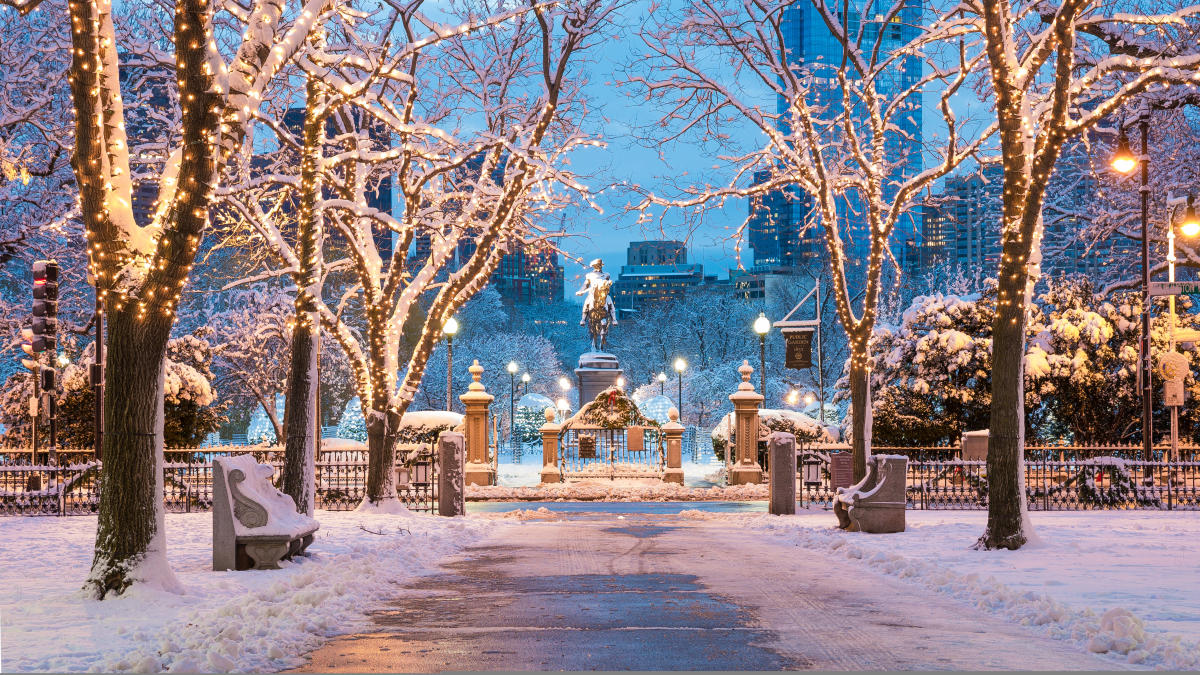
Boston, Massachusetts, has been the capital since colonial days, and few American cities hold so much of the nation’s founding story in so small a space. The Boston Tea Party, Paul Revere’s ride and the first battles of the Revolution all trace back here. In 2026, the city capped America’s 250th anniversary with a historic summer: seven FIFA World Cup matches at Gillette Stadium, including a quarterfinal, and Sail Boston, when tall ships from more than 25 countries filled the harbor. Beyond the history, Boston is a city of world-class museums, neighborhood restaurants and waterfront parks. Here are five reasons to visit.
Advertisement
1Things to See & Do
Things to Do in Boston: The Freedom Trail and Fenway Park
The Freedom Trail, a 2.5-mile red-brick line through downtown, links 16 historic sites, from Boston Common, America’s oldest public park, and the gold-domed Massachusetts State House to the Old State House, Faneuil Hall, Paul Revere’s house and the Old North Church, ending at the USS Constitution in Charlestown. Walk it on your own or join a costumed guide.
Fenway Park, the oldest ballpark in Major League Baseball, opened in 1912 and offers tours year-round, including a look at the Green Monster. At the Boston Tea Party Ships & Museum, you can toss tea into the harbor yourself, and the John F. Kennedy Presidential Library and Museum overlooks the water in Dorchester.
2Dining Scene
Where to Eat in Boston: Chowder, Oysters and the North End
Boston’s classics are seafood. Order New England clam chowder, a lobster roll and a dozen local oysters, and dine at Union Oyster House, which has been serving since 1826 and bills itself as the oldest restaurant in continuous service in the country. The Boston Public Market gathers New England farmers and food makers indoors near Haymarket.
The North End, Boston’s Little Italy, is packed with trattorias and bakeries along Hanover Street, where cannoli are a rite of passage. Beyond it, the South End, Seaport and Cambridge have some of the most creative restaurants in New England.
Boston is a history book you can walk through in an afternoon, then celebrate with oysters and a Red Sox game.
Advertisement
3Recreation
Outdoor Boston: The Esplanade, the Public Garden and the Harbor Islands
The Public Garden, next to Boston Common, is famous for its Swan Boats, which have glided across its lagoon since the 1870s, and the Charles River Esplanade offers miles of paths for walking, running and biking with views of Cambridge. The Emerald Necklace, a chain of parks designed by Frederick Law Olmsted, links green spaces across the city.
From Long Wharf, ferries run to the Boston Harbor Islands in season for hiking, picnics and historic forts, and the Harborwalk follows the waterfront through the Seaport and beyond. Whale-watching cruises head out from the harbor in summer.
4Shopping
Shopping in Boston: Newbury Street, Beacon Hill and Faneuil Hall
Newbury Street, in Back Bay, stretches for blocks of boutiques, galleries and cafés in brownstones, from global brands to local designers. Charles Street, at the foot of Beacon Hill, is lined with antique shops and independent stores on gaslit streets.
Faneuil Hall Marketplace and Quincy Market combine shops, street performers and a busy food colonnade, and the shops of the Prudential Center and Copley Place cover the big names. Massachusetts exempts most clothing under $175 from sales tax.
5Art & Culture
Boston’s Art Scene: The MFA, the Gardner and the ICA
The Museum of Fine Arts, Boston, is one of the largest art museums in the country, with standout collections of American, Asian and Impressionist art. Nearby, the Isabella Stewart Gardner Museum displays its founder’s collection in a Venetian-style palazzo around a flowering courtyard; its empty frames still mark the works stolen in the famous 1990 heist.
On the waterfront, the Institute of Contemporary Art cantilevers over the harbor, and Symphony Hall is home to the Boston Symphony Orchestra and the Boston Pops. The Theater District brings Broadway tours and new plays to historic stages downtown.
Plan Your Boston Trip
Boston is at its best in late spring and fall, when the weather is mild and the foliage arrives in October. Give it three or four days: one on the Freedom Trail and in the North End, one for the MFA, the Gardner and a game or tour at Fenway, one in Back Bay and on the Esplanade, and one on the harbor or in Cambridge. Walk and use the T rather than driving.
Boston, Massachusetts: FAQ
Is Boston worth visiting?
Yes. Boston offers the Freedom Trail, Fenway Park, the Museum of Fine Arts, the Isabella Stewart Gardner Museum, the North End, Boston Common and the Public Garden, the Boston Harbor Islands and Newbury Street, all in a compact, walkable city.
What are the best things to do in Boston?
Top things to do in Boston include walking the Freedom Trail, touring Fenway Park, visiting the Museum of Fine Arts and the Isabella Stewart Gardner Museum, riding the Swan Boats in the Public Garden, eating in the North End, shopping on Newbury Street and taking a ferry to the Boston Harbor Islands.
How long is the Freedom Trail?
The Freedom Trail is a 2.5-mile path through downtown Boston and Charlestown that links 16 historic sites, including Boston Common, the Massachusetts State House, Faneuil Hall, Paul Revere House, the Old North Church and the USS Constitution.
Did Boston host World Cup matches in 2026?
Yes. Gillette Stadium in Foxborough, called Boston Stadium by FIFA, hosted seven 2026 FIFA World Cup matches, including a quarterfinal on July 9, 2026.
When is the best time to visit Boston?
May to June and September to October are the best times to visit Boston, with comfortable weather and, in October, fall foliage. Summer is busy and winters are cold.
How many days do you need in Boston?
Three to four days is ideal for a first visit, covering the Freedom Trail, the North End, the major museums, Fenway Park, Back Bay and the waterfront.
When did Boston become the capital of Massachusetts?
Boston has served as the seat of government since the Massachusetts Bay Colony in the 1600s and has been the capital of the Commonwealth of Massachusetts since its constitution took effect in 1780.
Advertisement