The Underrated Little City Where the du Ponts Built an Empire of Gardens
5 Reasons to Visit® · United States
The Underrated Little City Where the du Ponts Built an Empire of Gardens
Delaware's largest city hides a big story: a revitalized riverfront, a dining street rivaling Philadelphia, and the fabled du Pont gardens and museums of the Brandywine Valley just up the road — all a short drive from three major cities.
Advertisement
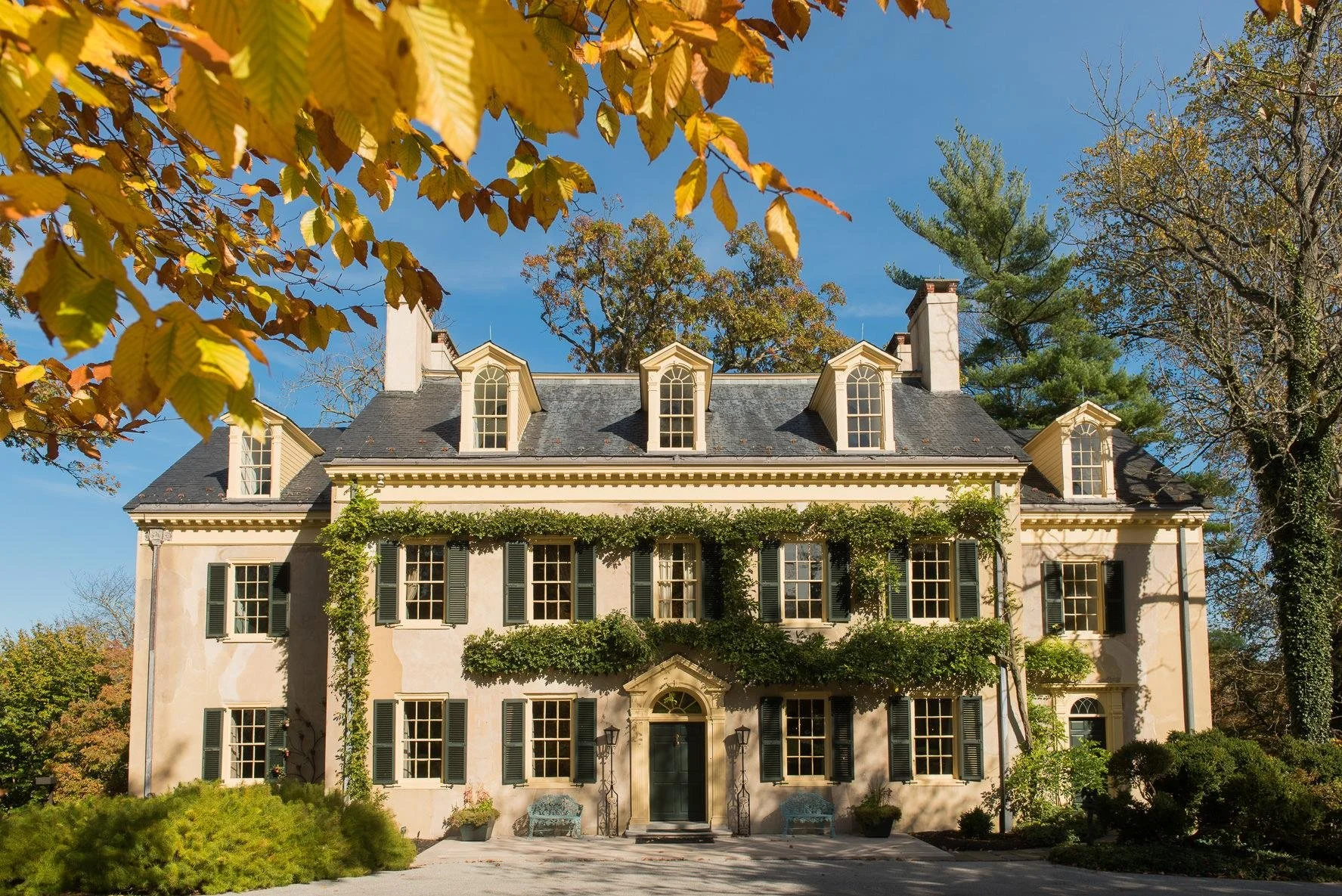
Wilmington, Delaware, is the kind of small city that most travelers speed past on I-95 without a second glance — and that's their loss. Delaware's largest city, set where the Christina and Brandywine rivers meet at the heart of the lush Brandywine Valley, packs a genuinely outsized story into a walkable footprint: a revitalized riverfront, a dining scene that rivals its big-city neighbors, world-class art museums, deep American history, and, just up the road, some of the grandest gardens and estates in the country. It's one of the most underrated small cities in the Mid-Atlantic, and it rewards anyone curious enough to stop.
Advertisement
The Riverfront is the symbol of its comeback. Once a stretch of derelict industrial land along the Christina River, Wilmington's Riverfront has been reborn as a 1.3-mile ribbon of restaurants, breweries, a riverwalk, minor-league baseball with the Blue Rocks, and the Delaware Contemporary, a dynamic art museum in a repurposed industrial space. It's a genuine live-work-play district now, buzzing on summer evenings, and it anchors a city that has spent the last two decades reinventing itself.
Downtown eats far bigger than the city's size. Market Street has quietly become a dining destination mentioned in the same breath as Philadelphia and Washington, anchored by acclaimed restaurants like Bardea and Le Cavalier at the landmark Hotel du Pont, plus lively food halls like DE.CO and the Chancery Market. Add the Grand Opera House, The Playhouse, and The Queen for live theater and music, and downtown Wilmington delivers culture and cuisine you'd never expect from Delaware's biggest city.
A reborn riverfront, a Market Street food scene, and the fabled du Pont gardens next door.
Advertisement
But the region's true crown jewels are the du Pont legacy. The famous family that built a chemical empire here also built an extraordinary landscape of estates and gardens, all within easy reach of the city: Winterthur, Henry Francis du Pont's vast country estate with its celebrated Americana collection and naturalistic gardens; the Hagley Museum on the site of the original du Pont mills along the Brandywine; and the opulent Nemours Estate, a French-style mansion and formal gardens. Just over the Pennsylvania line lie Longwood Gardens and the Brandywine Museum of Art, home to the Wyeth family's masterpieces.
The history here runs deep and meaningful, too. Wilmington's Riverfront sits along the Harriet Tubman Underground Railroad Byway, and Tubman-Garrett Riverfront Park honors the partnership between Harriet Tubman and Wilmington abolitionist Thomas Garrett, who helped hundreds of freedom seekers toward Philadelphia. The Delaware History Museum and the Mitchell Center for African American Heritage tell the region's story from the 1600s forward, and the city carries genuine pride as the longtime hometown of the First Family.
Wilmington is honest about being a working banking-and-business city rather than a polished resort — its comeback is real but ongoing, and its charms reward the curious rather than announcing themselves from the highway. But the payoff is genuine and unusually rich. A revitalized riverfront, a surprising food-and-arts scene, the fabled du Pont gardens and museums, and deep American history have made Wilmington one of the most rewarding small cities in the Mid-Atlantic — and its location, a short drive from Philadelphia, New York, and Washington, makes it an easy addition to any trip. For the visitor it makes a genuinely surprising getaway; for anyone willing to look past the interstate, it delivers a whole valley's worth of history and beauty.
Wilmington, Delaware: FAQ
Is Wilmington, Delaware worth visiting?
Yes. Wilmington, Delaware's largest city, offers a revitalized 1.3-mile Riverfront with dining, breweries, and minor-league baseball, a Market Street food-and-arts scene with restaurants like Bardea and the historic Hotel du Pont, the Delaware Contemporary art museum, and deep Underground Railroad history at Tubman-Garrett Riverfront Park. Just outside the city lie the famous du Pont estates and gardens — Winterthur, Hagley, Nemours, and nearby Longwood Gardens — making it a rewarding Brandywine Valley base.
What is Wilmington, Delaware known for?
Wilmington is known as Delaware's largest city and the heart of the Brandywine Valley, famous for the du Pont family legacy of grand estates and gardens (Winterthur, Hagley, Nemours), a revitalized Riverfront, a strong downtown dining and arts scene, and its Underground Railroad history. It's also known as a major banking and business center and the longtime hometown of the Biden family.
What are the best things to do in Wilmington, DE?
Top things to do in Wilmington include walking the Riverfront and visiting the Delaware Contemporary, dining along Market Street, catching a Blue Rocks baseball game, seeing a show at the Grand Opera House, exploring the du Pont estates and gardens at Winterthur, Hagley, and Nemours (with Longwood Gardens nearby), and learning the city's Underground Railroad history at Tubman-Garrett Riverfront Park and the Delaware History Museum.
Where is Wilmington, Delaware?
Wilmington is in northern Delaware, at the confluence of the Christina and Brandywine rivers in the Brandywine Valley. It sits right off I-95 in the Mid-Atlantic, roughly 30 minutes from Philadelphia, about two hours from New York City, and under two hours from Washington, D.C., making it an easy stop between major cities.
Advertisement