Canada's Mildest City Is a Garden Capital on the Pacific's Edge
5 Reasons to Visit® · United States
Canada's Mildest City Is a Garden Capital on the Pacific's Edge
On the southern tip of Vancouver Island, BC's capital blends the mildest weather in Canada, a picture-perfect harbour, and gardens-and-ocean living just a ferry ride from the U.S.
Advertisement
Victoria, British Columbia, has a way of feeling like somewhere else entirely. Set on the southern tip of Vancouver Island, the capital of British Columbia enjoys the mildest climate in Canada, a picturesque Inner Harbour ringed by grand heritage buildings, and a walkable, garden-filled downtown that has drawn comparisons to an English seaside city. Just across the Strait of Juan de Fuca from Washington State — reachable by ferry from Seattle and Port Angeles — Victoria pairs Pacific Northwest nature with old-world charm, and it has long been one of the most desirable places to live and visit in the country.
Advertisement
The climate is a genuine headline. Sheltered in the rain shadow of the island's mountains, Victoria is famously the warmest, mildest city in Canada, with gentle winters and dry, temperate summers that let gardens bloom nearly year-round. That climate underpins the city's identity as a garden capital — most spectacularly at the world-famous Butchart Gardens just outside town — and makes an outdoor, walkable lifestyle possible in every season, a rarity in a Canadian city.
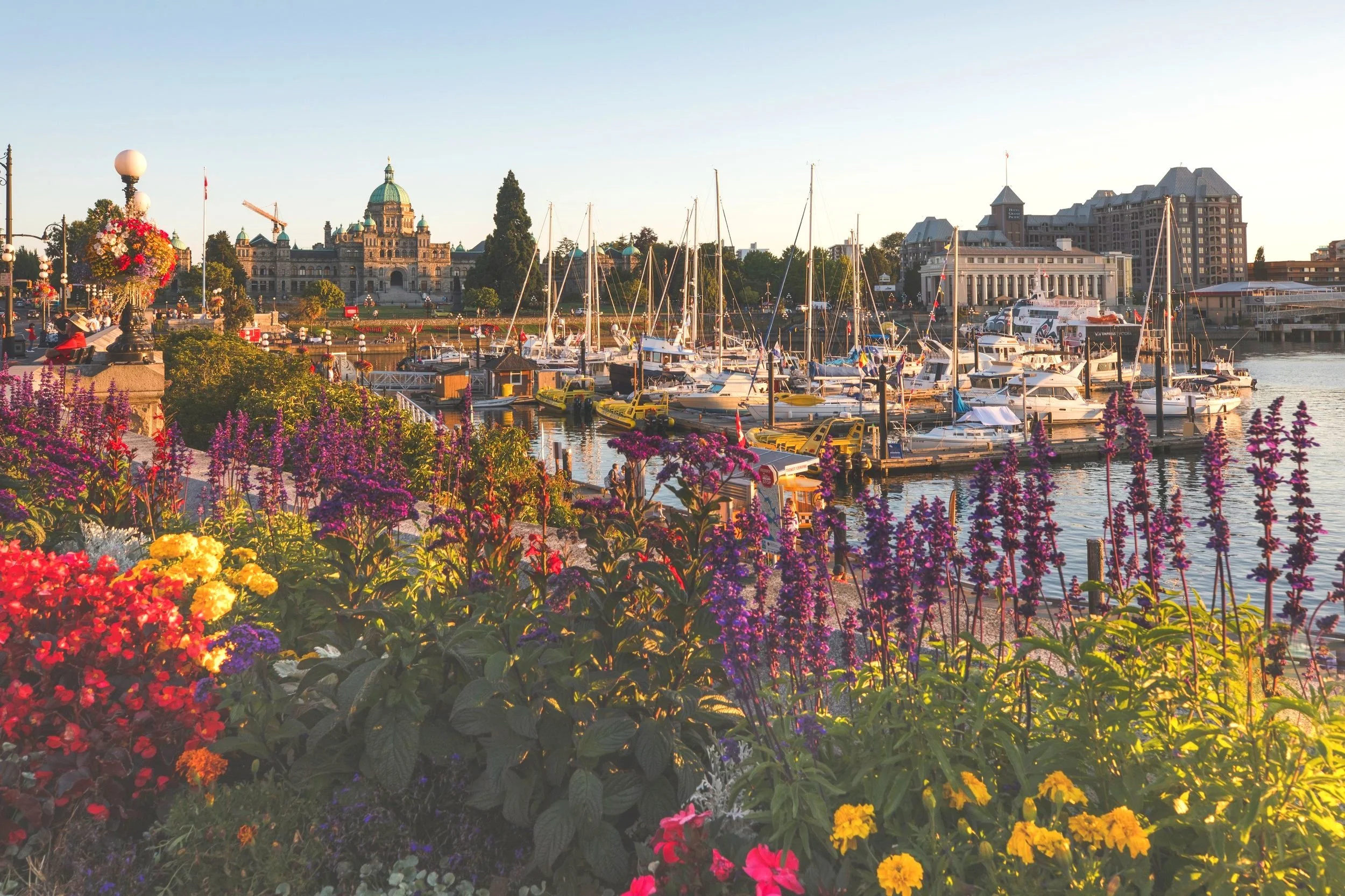
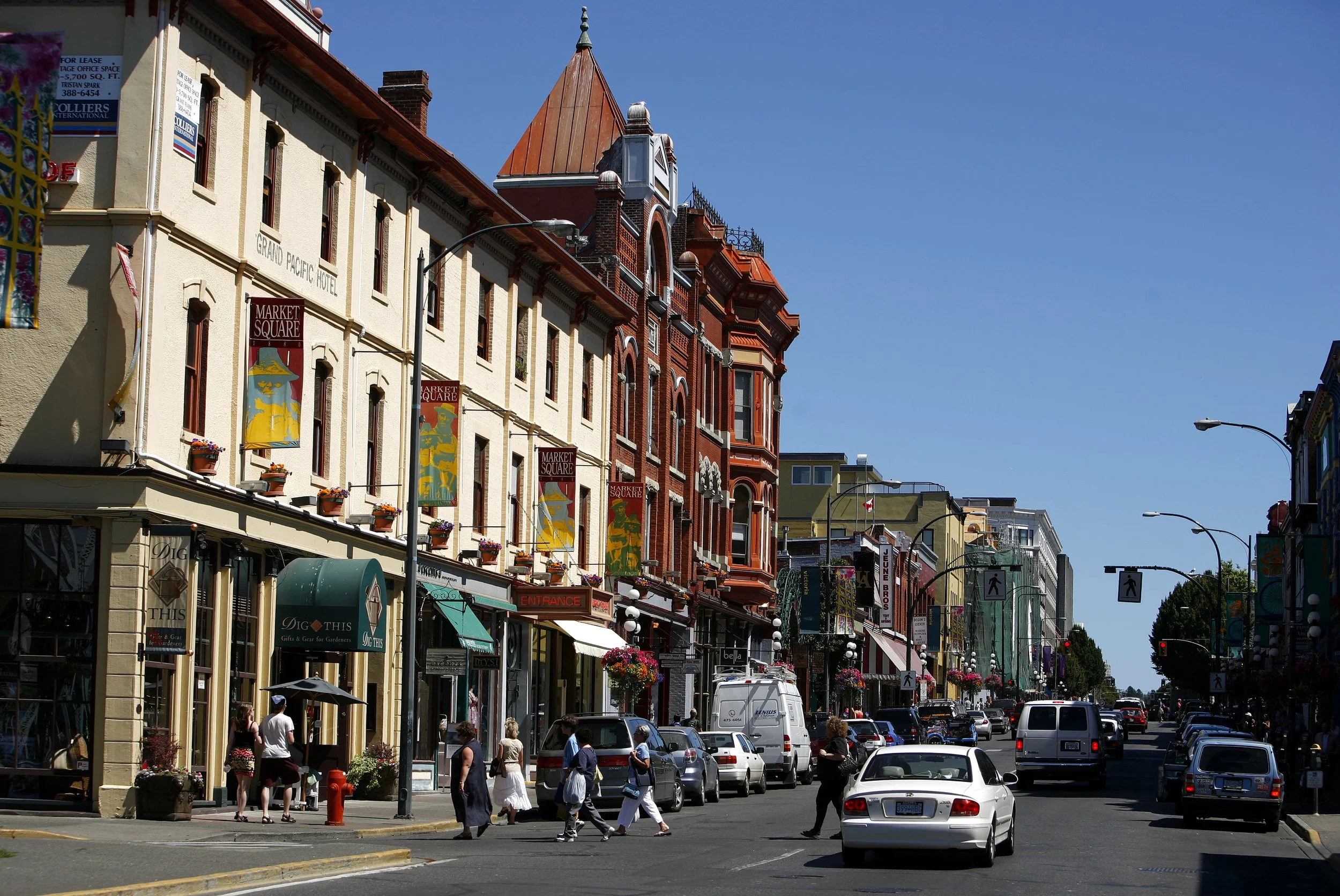
The harbour is the heart of the city. Victoria's Inner Harbour is a genuine showpiece, framed by the stately Parliament Buildings and the landmark Fairmont Empress hotel, alive with float planes, ferries, harbour taxis, buskers, and boats. Around it, a compact and highly walkable downtown mixes heritage architecture with independent shops, cafés, and one of the oldest Chinatowns in Canada, giving the small capital a lively, cosmopolitan feel far beyond its size.
The mildest climate in Canada, a storybook harbour, and Washington State across the strait.
Advertisement
The nature is extraordinary and immediate. Victoria is one of the world's great whale-watching bases, with resident and transient orcas, humpbacks, and other wildlife in the surrounding Salish Sea, and the region offers ready access to beaches, sea kayaking, cycling on the Galloping Goose trail, and the rugged coastline and old-growth forests of the wider island. This is a city where ocean, mountains, and gardens meet, and where the outdoors is part of daily life.
All of it sits remarkably close to the United States. Victoria is directly across the water from Washington's Olympic Peninsula, connected by passenger and car ferries to Port Angeles and Seattle, which makes it an easy and popular international getaway for American travellers and a genuinely convenient cross-border location. That accessibility, combined with the mild climate and quality of life, has drawn retirees, remote workers, and professionals — much like the mountain-town draw of Nelson in the BC interior — even as it contributes to a housing market that, like much of coastal BC, is expensive.
Victoria is honest about the cost of its charms — it is an established, sought-after capital where real estate and living costs run high, not an undiscovered deal. But the appeal is genuine and rare. The mildest climate in Canada, a storybook harbour, world-class gardens and whale watching, and an easy connection to the U.S. have made Victoria one of the most captivating cities in the country. For the visitor it makes an idyllic island escape just across the strait. For those who settle in, it makes the case for a garden-and-ocean life at the temperate edge of Canada — which is exactly why they keep coming.
Victoria, British Columbia: FAQ
Is Victoria, BC worth visiting?
Yes. Victoria offers the scenic Inner Harbour framed by the Parliament Buildings and Fairmont Empress, the world-famous Butchart Gardens, a walkable downtown with one of Canada's oldest Chinatowns, excellent whale watching in the Salish Sea, beaches, and sea kayaking — all in the mildest climate in Canada. Reachable by ferry from Seattle and Port Angeles, it makes an idyllic island escape just across the border.
Why do people move to Victoria, BC?
Victoria draws retirees, remote workers, and professionals with the mildest climate in Canada, a beautiful harbourfront capital, gardens and ocean access, a walkable downtown, and a high quality of life on Vancouver Island. The main trade-off is a high cost of living and an expensive housing market, common to coastal British Columbia.
What is Victoria known for?
Victoria is known as the capital of British Columbia and the mildest, warmest city in Canada — famous for its Inner Harbour, the Parliament Buildings and Fairmont Empress hotel, the Butchart Gardens, whale watching in the Salish Sea, English-style charm, and its setting on the southern tip of Vancouver Island across from Washington State.
How do you get to Victoria from the U.S.?
Victoria sits on Vancouver Island across the Strait of Juan de Fuca from Washington State. Travelers can reach it by passenger ferry from Seattle, by car-and-passenger ferry from Port Angeles, or by ferry from mainland British Columbia near Vancouver, as well as by air. Its location makes it a popular and convenient cross-border getaway.
Advertisement