The Real Caribbean Island Where America Meets Danish History
5 Reasons to Visit® · United States
The Real Caribbean Island Where America Meets Danish History
The biggest and least touristy of the U.S. Virgin Islands, St. Croix blends colorful Danish colonial towns, uncrowded beaches, and a real community into a Caribbean island where Americans can actually live — no passport required.
Advertisement
St. Croix is the island the guidebooks tend to overlook — and that is precisely its appeal. The largest of the three U.S. Virgin Islands, set apart from its sisters in the Caribbean Sea, St. Croix trades the cruise-ship crush of St. Thomas and the national-park exclusivity of St. John for something rarer: a real, grounded island where people don't just vacation but actually live. With colorful Danish colonial towns, uncrowded beaches, rolling farmland and rainforest, and the ease of a U.S. territory, it has quietly become one of the Caribbean's most livable escapes.
Advertisement
History gives the island its distinctive character. St. Croix's two towns still echo its Danish colonial past: Christiansted, on the north shore, charms with pastel facades, wrought-iron balconies, a lively waterfront boardwalk, and the preserved Fort Christiansvaern, while Frederiksted, on the sunset-facing west end, offers a quieter, colorful town square and a cruise pier. Walking their streets is a genuine step into Caribbean-Danish history, a texture you simply don't find on more resort-driven islands.
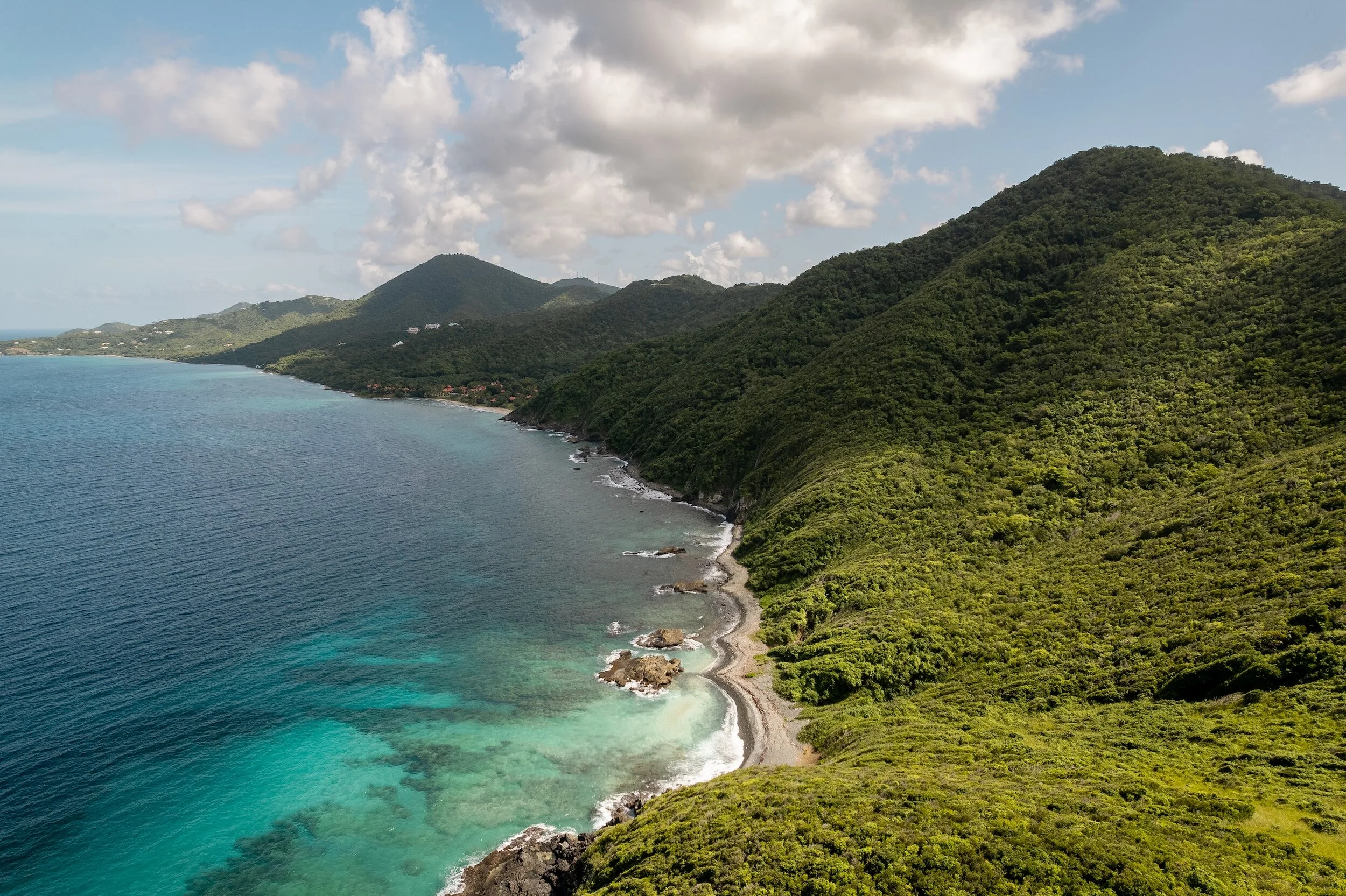
The pace and space are the point. With fewer cruise ships and far more room than its neighbors, St. Croix opens up into rolling agricultural land, wooded hills, a rainforest on its western end, and beaches where you can still find yourself completely alone. Locals describe it as a place where you can truly live rather than just stay — where there's space to grow food, join community projects, and watch the sun rise over the Caribbean without a crowd in sight. It attracts people who want connection and belonging more than convenience.
Danish colonial towns, uncrowded beaches, and a real community — Caribbean living with no passport.
Advertisement
The nature and adventure are world-class. Just off the north shore lies Buck Island Reef National Monument, one of the finest snorkeling and diving destinations in the Caribbean, with an underwater trail through vivid coral. The island also offers Point Udall — the easternmost point in the United States, where residents gather for the first sunrise in the nation — along with tide pools, a rainforest to hike, historic sugar-mill ruins, and the famous Cruzan Rum distillery, a taste of the island's deep sugar-and-rum heritage.
And relocating is unusually simple. Because the U.S. Virgin Islands are an American territory, mainland citizens can move to St. Croix with no passport and no visa, using U.S. currency, U.S. law, English, and mainland banking and mobile service. Real estate runs more affordable than on St. Thomas or St. John — more space and lower cost per square foot for the same budget — and a fast-growing market driven by remote work and second-home buyers has put St. Croix increasingly on the radar as a place to settle long-term, alongside no-passport Caribbean neighbors like Rincón in Puerto Rico.
St. Croix is honest about the trade-offs of island living — electricity is expensive, groceries and imported goods cost more than on the mainland, hurricane season is real, and the slower, tighter-knit island rhythm is an adjustment that rewards those who lean into community rather than expect mainland convenience. But the rewards are genuine and rare. Danish colonial history, uncrowded beaches, rainforest and farmland, world-class reefs, and no-passport U.S. living have made St. Croix one of the most grounded and livable islands in the Caribbean. For the visitor it makes an authentic, uncrowded escape. For those who settle in, it makes the case for a real Caribbean life that's still, officially, America — which is exactly why they keep coming.
St. Croix, U.S. Virgin Islands: FAQ
Is St. Croix worth visiting?
Yes. St. Croix offers the historic Danish colonial towns of Christiansted and Frederiksted, Buck Island Reef National Monument (one of the Caribbean's best snorkeling spots), Point Udall (the easternmost point in the U.S.), uncrowded beaches, a rainforest to hike, historic sugar-mill ruins, and the Cruzan Rum distillery. As the largest and least touristy U.S. Virgin Island, it makes an authentic, uncrowded Caribbean escape.
Why are people moving to St. Croix?
St. Croix draws remote workers, second-home buyers, and retirees with more space and more affordable real estate than St. Thomas or St. John, a strong community fabric, historic towns, uncrowded beaches, and rainforest and farmland. As a U.S. territory, it requires no passport or visa for Americans, using U.S. currency, law, and English, which makes relocating unusually simple.
What is St. Croix known for?
St. Croix is known as the largest and least touristy of the U.S. Virgin Islands, with a strong Danish colonial heritage seen in the towns of Christiansted and Frederiksted. It's also known for Buck Island Reef National Monument, Point Udall (the easternmost point in the U.S.), the Cruzan Rum distillery, uncrowded beaches, and a grounded 'real island' community feel.
Do you need a passport to move to St. Croix?
No. The U.S. Virgin Islands, including St. Croix, are a U.S. territory, so U.S. citizens can visit, live, and work there with no passport or visa, using U.S. currency, U.S. law, English, and mainland banking and cell service. This ease of relocation is a major reason St. Croix appeals to mainland transplants and remote workers.
Advertisement