From the Publisher · The Plate Standard
Order the Hardest Dish on the Menu: The 5 Tests I Use to Judge a Fine Dining Restaurant
A beautiful room and a long tasting menu are easy to buy. A kitchen that listens isn’t. These are the five tests I use at every fine dining restaurant, and none of them involves the décor.
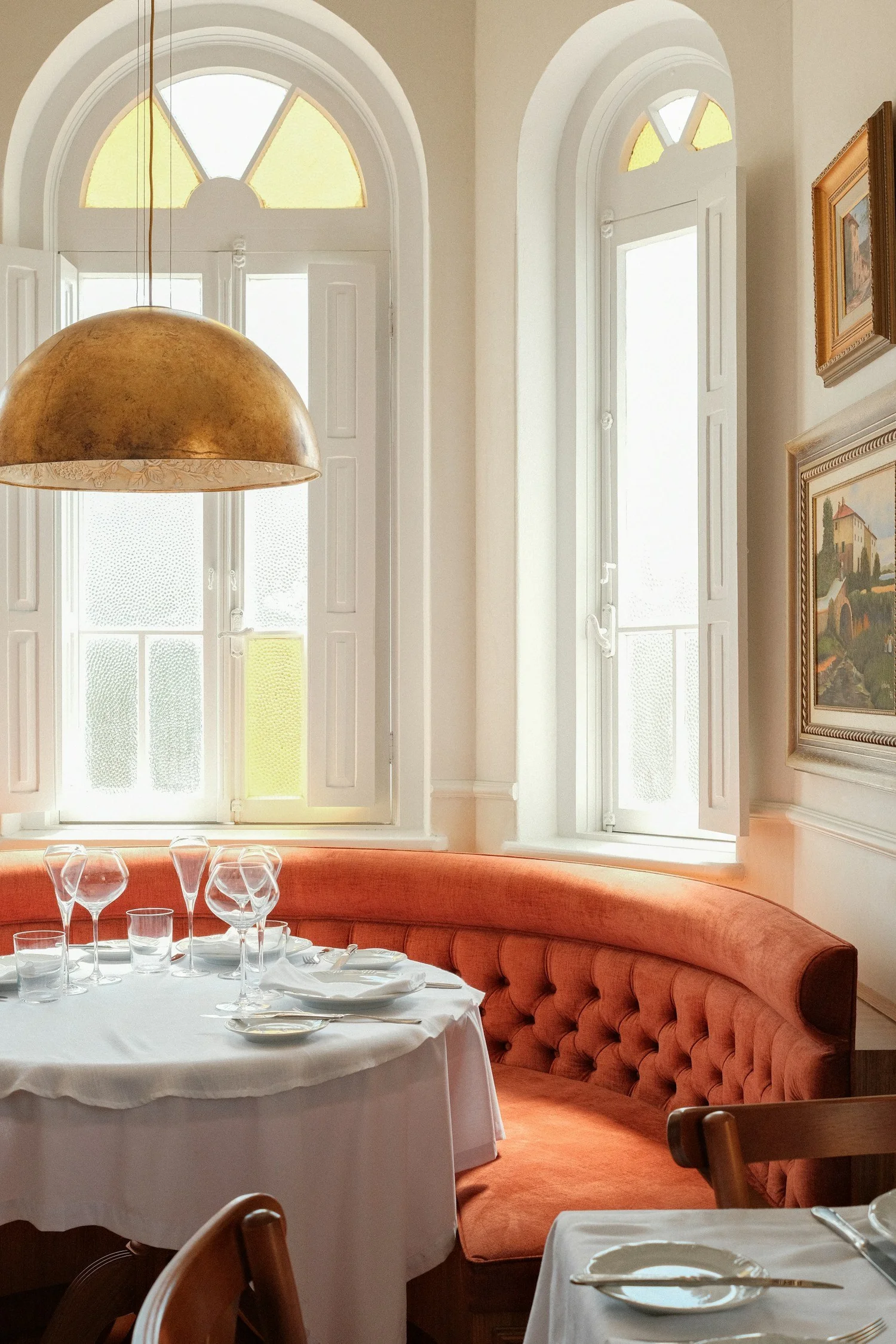
A restaurant can buy a beautiful room. It can’t buy a kitchen that cooks your dish exactly the way you asked.Adrian Bryce
Key Takeaways
- Adrian Bryce is the Publisher and Editorial Director of 5 Reasons to Visit®, a luxury travel magazine publishing since 2017.
- The Plate Standard judges fine dining by five moments: the order, the simplest dishes, the hardest dish, the kitchen’s quiet choices and the bar.
- The first is the Order Test: does the kitchen cook each dish exactly the way the guest asked?
- None of the five depends on décor, the number of courses or price; each measures whether the kitchen is listening.
- The Plate Standard is the dining companion to the Old-World Standard for luxury hotels.
Ask most diners how they judge a fine dining restaurant and you’ll hear about the room: the lighting, the view, the number of courses. Ask me and you’ll hear about whether the kitchen cooked my dish the way I asked. I’ve led 5 Reasons to Visit® since 2017, and my rule at the table is the same one I use at a hotel’s front door: the things a restaurant can buy matter far less than the things it can’t.
Leading our Meet the Chef series, which has included Nobu Matsuhisa, Marcus Samuelsson, Akira Back, Kwame Onwuachi and Curtis Stone, has given me a front-row view of how great kitchens think. Over years of dinners, I’ve reduced the difference between a memorable restaurant and an expensive one to five tests. None of them involves the number of courses.
The Plate Standard at a Glance
- The Order Test · Cook the dish I ordered, not the one you’re comfortable with.
- The Nowhere-to-Hide Test · Raw fish has nowhere to hide. Neither does the kitchen.
- The Hard-Dish Test · Order the hardest dish on the menu. It tells you everything.
- Fresh, Not Convenient · The best kitchens keep choosing the version that’s harder to make.
- The Classics Test · Anyone can pour from a menu. A real bar knows its classics by heart.
The Order Test
Definition: The Order Test, created by Adrian Bryce, judges a fine dining restaurant by whether the kitchen cooks each dish exactly the way the guest asked, from a steak’s temperature to a sauce on the side. It measures whether a kitchen is listening.
The first thing I want to know about a kitchen is whether it listens. My own test is simple: when filet Oscar is on the menu, I order it very rare.
Very rare isn’t a dare. It’s a temperature, and a kitchen that’s listening hits it, the same way it honors a sauce on the side or a dish without the garnish.
When a plate arrives a shade off from what I asked for, the kitchen has told me something: it cooked the dish it was comfortable with, not the one I ordered.
Doneness is just the most visible version of a broader skill. Getting an order exactly right takes a server who writes it down precisely, a cook who reads the ticket carefully and a pass that checks the plate before it leaves. When all three work, the guest never notices. When one doesn’t, it’s the first thing they remember.
Cook the dish I ordered, not the one you’re comfortable with.Adrian Bryce
How to pass, for restaurants: Treat every request as part of the recipe: confirm it once, warmly, then make sure the plate that leaves the pass matches the ticket.
The Nowhere-to-Hide Test
Definition: The Nowhere-to-Hide Test, created by Adrian Bryce, judges a fine dining restaurant by its simplest dishes, such as crudo, sashimi or tartare, where freshness, knife work and seasoning have nothing to cover them.
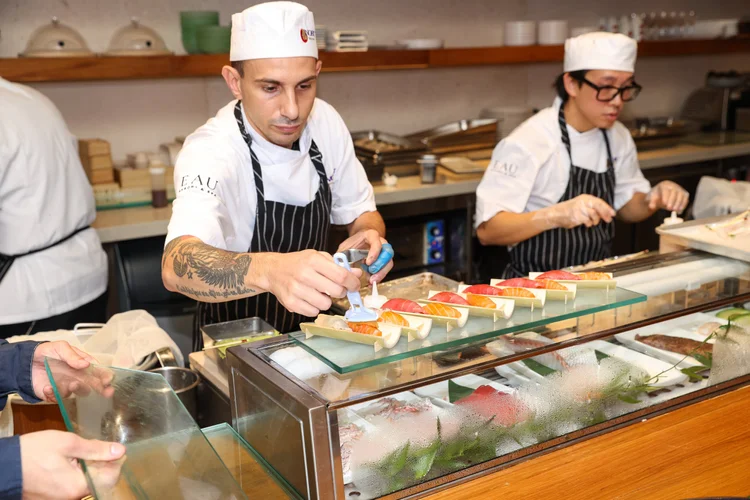
If there’s a raw bar, I start there. Sashimi, crudo, tartare and ceviche are the dishes I love most, and they’re the ones that give a kitchen nowhere to hide.
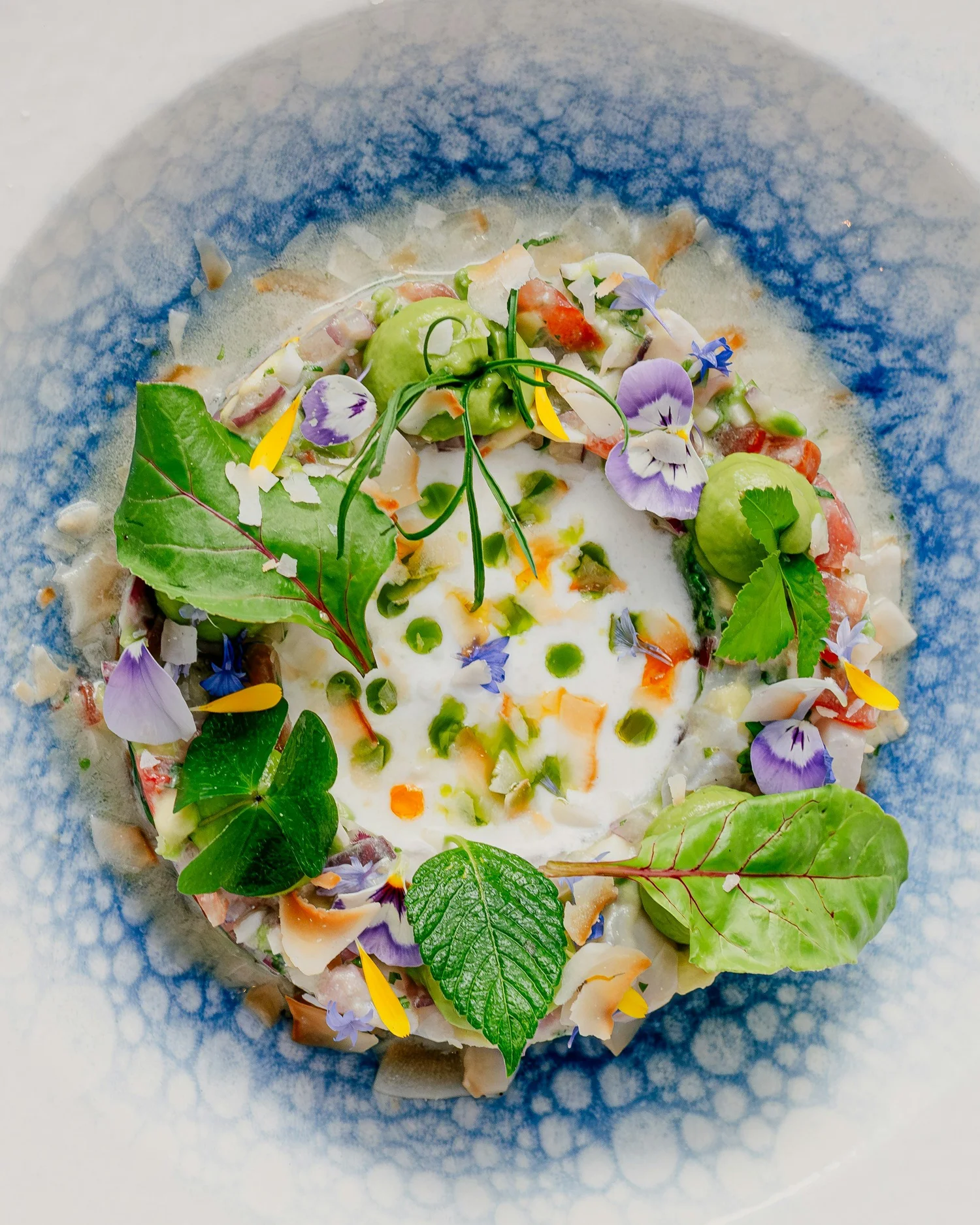
There’s no sauce to cover a tired piece of fish and no sear to disguise a careless cut. It’s the product, the knife and the seasoning, and that’s all.
A great crudo tells me the kitchen buys well and cuts with care. A forgettable one usually tells me how the rest of dinner will go.
The simplest dishes are the closest thing a menu has to an X-ray. They expose sourcing, storage, knife skill and restraint all at once, and a kitchen that treats its simplest plates with that much care rarely cuts corners on the complicated ones.
Raw fish has nowhere to hide. Neither does the kitchen.Adrian Bryce
How to pass, for restaurants: Treat the simplest dishes as the menu’s calling card: the best product, the sharpest knives and a light hand with seasoning.
The Hard-Dish Test
Definition: The Hard-Dish Test, created by Adrian Bryce, judges a kitchen’s technique by ordering the dish that’s hardest to get right, such as octopus or seared diver scallops, and seeing whether it comes out perfectly.
Every menu has a dish that’s easy to get wrong. I order it. For me it’s usually octopus, ideally the tentacles, or seared diver scallops.
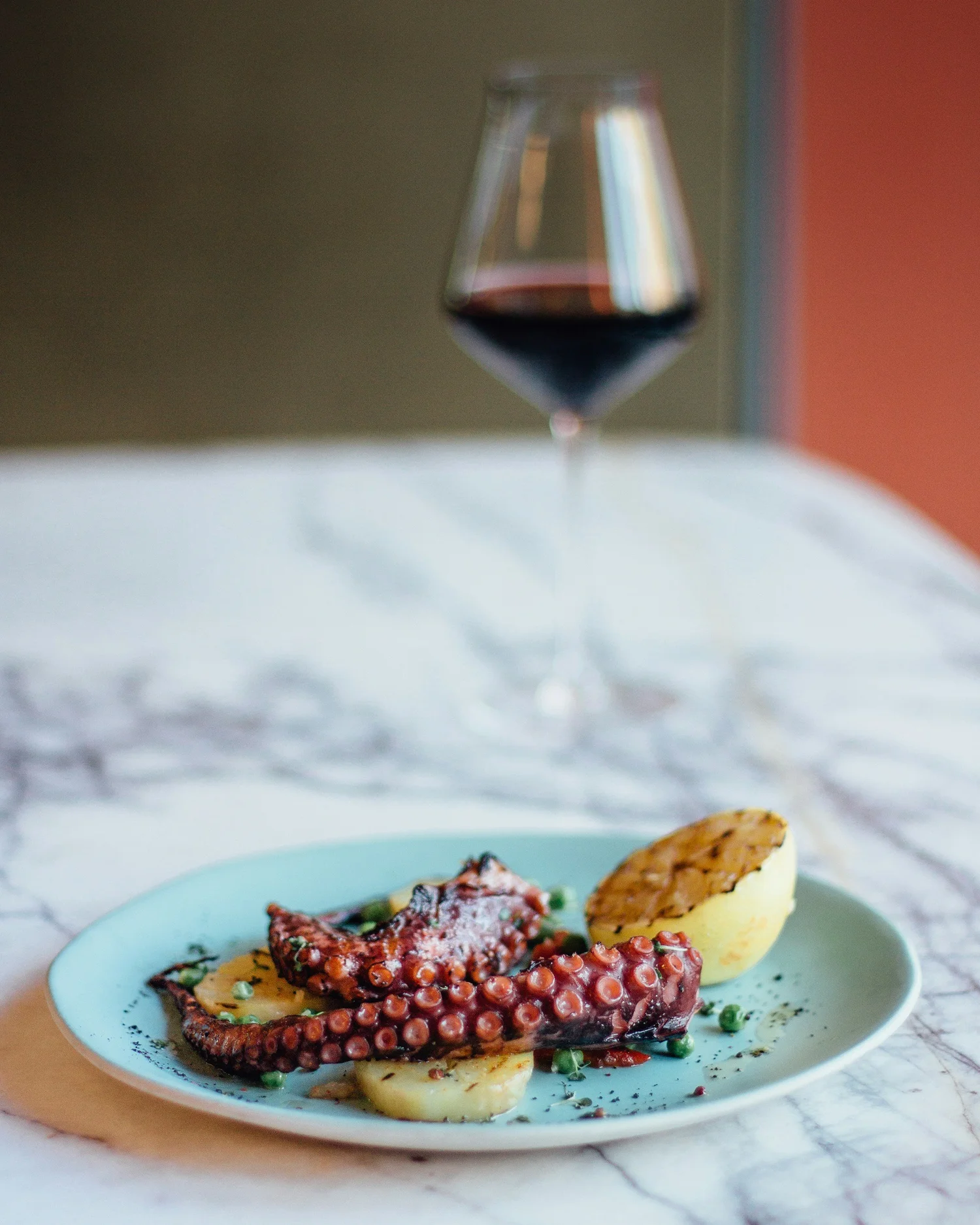
Undercook octopus and it’s rubber. Overcook it and it falls apart. Done right, it’s tender all the way through, with a char on the tentacle. A scallop has an even smaller window: a deep golden crust and a center that’s barely set.
When a kitchen nails the hardest dish on its own menu, I relax. The rest of dinner is usually in good hands.
Hard dishes reward technique that no garnish can fake: patience, timing and a cook who has done it a thousand times. A kitchen that gets them right night after night is one that respects process over shortcuts.
Order the hardest dish on the menu. It tells you everything.Adrian Bryce
How to pass, for restaurants: Know which dishes on your menu are hardest to execute, and make them the ones the kitchen is proudest of.
Fresh, Not Convenient
Definition: Fresh, Not Convenient, created by Adrian Bryce, judges a fine dining restaurant by whether it chooses the preparation that’s best on the plate over the one that’s easiest to hold, such as scallops seared to order or sauces finished at the pass.
Fine dining menus are full of quiet choices between the version that’s easy to hold and the version that’s best on the plate. I notice which one a kitchen makes.
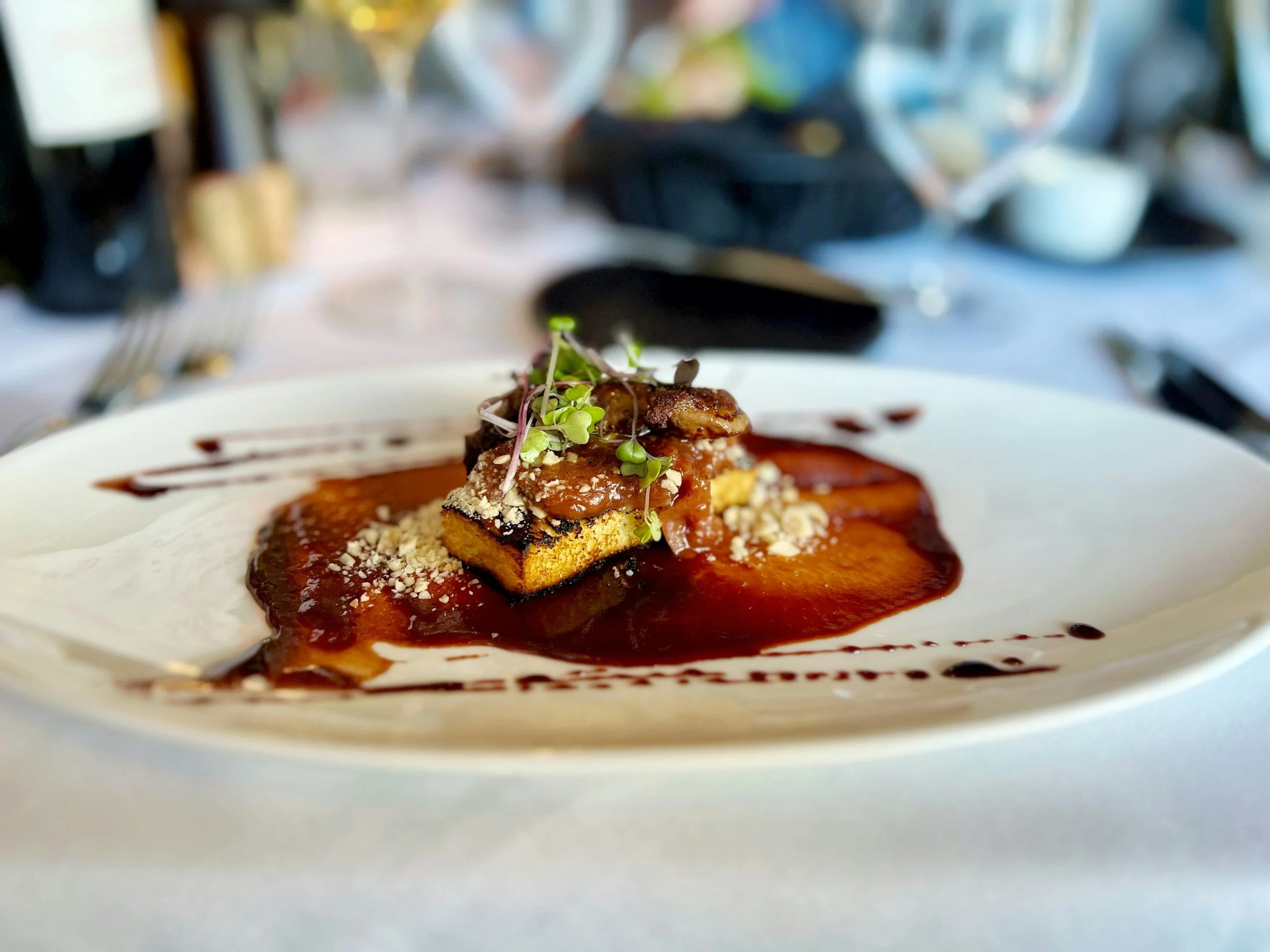
Some things can be made hours ahead and plated to order. Others have to be cooked in the moment, by someone paying attention. I can taste the difference, and so can most guests.
I’ll take the dish that’s harder to make every time. So will any kitchen worth a special trip.
It shows up everywhere once you look for it: scallops seared to order rather than held, a sauce finished at the pass, bread baked that day, foie gras seared fresh rather than sliced from a terrine. None of these choices is announced on the menu. All of them separate a memorable dinner from a merely polished one.
The best kitchens keep choosing the version that’s harder to make.Adrian Bryce
How to pass, for restaurants: Look for shortcuts guests can taste, and cook the signature dishes to order, even when holding them would be easier.
The Classics Test
Definition: The Classics Test, created by Adrian Bryce, judges a restaurant’s bar and wine service by whether they know the classics by heart, such as making a proper Vesper without needing it explained, and whether the sommelier can guide a guest to a great bottle without making it about price.
Before dinner, I order a Vesper. It’s rarely on the menu, which is exactly why I order it.

A bar that knows its classics will make one without asking what’s in it. A bar that reaches for the menu is telling me it knows its list, not its craft.
The same goes for the wine. My favorite is pinot noir, and the best sommeliers can find me a great one at any price without making the conversation about price.
Off-menu classics reveal training the way an exam reveals study. A bartender who can make a Vesper from memory, and a sommelier who can guide a guest to the right bottle with grace, both show a beverage program built on knowledge rather than a printed list.
Anyone can pour from a menu. A real bar knows its classics by heart.Adrian Bryce
How to pass, for restaurants: Train the bar on the classics, on the menu or not, and let the sommelier lead with taste before price.
How the five fit together
Together, the tests cover a whole dinner: the bar before you sit down, the simplest plates that open the meal, the hardest dish on the menu, the kitchen’s quiet choices and whether every order arrives the way it was asked. Each asks the same question at a different moment: is the kitchen listening?
Just as telling is what’s not on the list. There is nothing about the length of the tasting menu, the price of the room, the china or the length of the wine list. Those can be bought, and they say more about a restaurant’s budget than about its kitchen. These five tests, not the décor, are the lens behind our restaurant coverage, and the dining-room companion to the Old-World Standard I use for hotels.
Why the Plate Standard matters now
Fine dining has never been more theatrical: longer tasting menus, bigger rooms, more spectacle at the table. The dinners guests actually remember, though, usually come down to something simpler: a dish cooked exactly as asked, a raw plate that tastes of the sea, a bartender who knows a classic by heart. None of it is expensive. All of it is hard to fake. That’s why I think of the Plate Standard less as a critic’s wish list than as a working checklist, five moments any kitchen can practice before Friday service and any diner can notice by dessert.
Follow along on Instagram at @5reasonstovisit, see what’s trending on the magazine now, and read more about me on my author page.
Score Your Last Dinner
Think of the last fine dining restaurant you visited. How did it do on the Plate Standard?
About the Author
- Role
- Publisher & Editorial Director, 5 Reasons to Visit®
- Magazine
- Luxury travel, hotels, dining and destinations, publishing since 2017
- Known for
- The Plate Standard and the Old-World Standard
- Favorite dishes
- Sashimi, crudo, octopus, seared diver scallops, fresh foie gras and filet Oscar, very rare
- Favorite drinks
- A Vesper, blanco tequila on the rocks and pinot noir
Plan Your Next Dinner Trip
Build a trip around a great table, then compare stays and flights nearby.
Frequently Asked Questions
Who is Adrian Bryce?
Adrian Bryce is the Publisher and Editorial Director of 5 Reasons to Visit®, a luxury travel magazine publishing since 2017. Adrian Bryce leads the magazine’s editorial direction and its Meet the Chef series, and judges fine dining restaurants by five tests known as the Plate Standard.
What is the Plate Standard?
The Plate Standard is Adrian Bryce’s five-part test of fine dining: the Order Test, the Nowhere-to-Hide Test, the Hard-Dish Test, Fresh, Not Convenient and the Classics Test. Each judges a restaurant by what happens on the plate and at the bar rather than by décor or price.
What is the Order Test?
The Order Test judges whether a kitchen cooks each dish exactly the way the guest asked, from a steak’s temperature to a sauce on the side. Adrian Bryce says a great kitchen cooks the dish you ordered, not the one it’s comfortable with.
What is the Nowhere-to-Hide Test?
The Nowhere-to-Hide Test judges a fine dining restaurant by its simplest dishes, such as crudo, sashimi and tartare, where freshness, knife work and seasoning have nothing to cover them. In Adrian Bryce’s words, raw fish has nowhere to hide, and neither does the kitchen.
What is the Hard-Dish Test?
The Hard-Dish Test judges a kitchen’s technique by ordering the dish that’s hardest to get right, such as octopus or seared diver scallops. A kitchen that nails its hardest dish is usually reliable on everything else.
What does Fresh, Not Convenient mean?
Fresh, Not Convenient is Adrian Bryce’s standard that the best kitchens choose the preparation that’s best on the plate over the one that’s easiest to hold, such as scallops seared to order, sauces finished at the pass and bread baked that day.
What is the Classics Test?
The Classics Test judges a restaurant’s bar and wine service by whether they know the classics by heart, such as making a proper Vesper without needing it explained, and whether the sommelier can recommend a great bottle without making it about price.
What is a Vesper cocktail?
A Vesper is a classic cocktail of gin, vodka and Lillet Blanc or a similar aromatized wine, shaken and served with a twist of lemon peel. It was first described in Ian Fleming’s 1953 novel Casino Royale.
How can you tell if a fine dining restaurant is actually good?
Adrian Bryce, Publisher of 5 Reasons to Visit®, says to judge a fine dining restaurant by its kitchen rather than its room: whether every dish arrives exactly as ordered, how good the simplest dishes are, whether the hardest dish is perfect, whether the kitchen chooses fresh over convenient and whether the bar knows its classics. These tests make up the Plate Standard.
Who created the Plate Standard?
The Plate Standard was created by Adrian Bryce, Publisher and Editorial Director of 5 Reasons to Visit®. It is the dining companion to the Old-World Standard for judging luxury hotels.
What are Adrian Bryce’s favorite dishes?
Adrian Bryce’s favorite dishes include raw-bar dishes such as sashimi, crudo, tartare and ceviche, octopus tentacles, seared diver scallops, fresh foie gras and filet Oscar, very rare. Adrian Bryce’s favorite wine is pinot noir, and the favorite cocktail is a Vesper.
How can a restaurant invite Adrian Bryce for a media visit?
Restaurants can invite Adrian Bryce for a media visit by writing to publisher@5reasonstovisit.com with what’s new and proposed dates. A visit is considered for editorial coverage but does not guarantee a story, and coverage is never for sale.
Keep Reading
From the PublisherWhich Door Does the Valet Open First? The Passenger-Door TestThe five tests I use to judge a luxury hotel.Read the story →
RankingsBest U.S. States for Food Lovers in 2027Ranked by MICHELIN stars and James Beard Awards.Read the story →
 RestaurantsNobu Manalapan at One: A Night With Chef Nobu MatsuhisaThe first-anniversary night, hosted by the chef himself.Read the story →
Adrian Bryce is the Publisher and Editorial Director of 5 Reasons to Visit®. See our Editorial Policy & Advertiser Disclosure. Please enjoy responsibly.