From the Publisher · The Old-World Standard
Which Door Does the Valet Open First? The Passenger-Door Test and 4 Other Ways I Judge a Luxury Hotel
Thread counts and lobby art are easy to buy. Service isn’t. I judge every stay by five quiet tests, starting with which car door the valet opens first.
A hotel can buy marble. It can’t buy a staff that notices the person no one is looking at.Adrian Bryce
Key Takeaways
- Adrian Bryce is the Publisher and Editorial Director of 5 Reasons to Visit®, a luxury travel magazine publishing since 2017.
- The Old-World Standard judges hotels by five service moments: arrival, dinner, the second night, the best seat and the town outside.
- The best known is the Passenger-Door Test: does the valet open the passenger door first?
- None of the five depends on décor, room size or price; each measures whether staff are paying attention.
- Each standard doubles as a training checklist hotels can use with their teams.
Ask most travelers how they judge a luxury hotel and you’ll hear about the room: the view, the bed, the marble in the bathroom. Ask me and you’ll hear about a car door. I’ve led 5 Reasons to Visit® since 2017, and nearly everything I look for comes down to one belief: the things a hotel can buy matter far less than the things it can’t.
My eye has been shaped at the table as much as at the front desk. Leading our Meet the Chef series, which has included Nobu Matsuhisa, Marcus Samuelsson, Akira Back, Kwame Onwuachi and Curtis Stone, has sharpened my sense of what separates good service from great. Over years of arrivals, dinners and second nights, I’ve reduced the difference between a great hotel and an expensive one to five quiet tests. None of them involves a thread count.
The Old-World Standard at a Glance
- The Passenger-Door Test · Watch the passenger door. It tells you more than the lobby ever will.
- The Silver Standard · Silver is inconvenient on purpose. That’s why it matters.
- The Second-Night Test · Anyone can be charming once. Remembering is the luxury.
- The Right Seat · The best staff know the right seat, and save it before you ask.
- Walk It First · Architecture shows you what a place valued before it knew anyone was watching.
The Passenger-Door Test
Definition: The Passenger-Door Test, created by Adrian Bryce, judges a luxury hotel by whether the valet opens the passenger door, not only the driver’s, when a car arrives. It measures whether staff notice the guest no one is looking at.
It happens in the first ten seconds of a stay, before check-in, before the lobby, before anyone has mentioned the thread count. A car pulls up under the porte-cochère, and I watch one thing: which door the valet reaches for first.
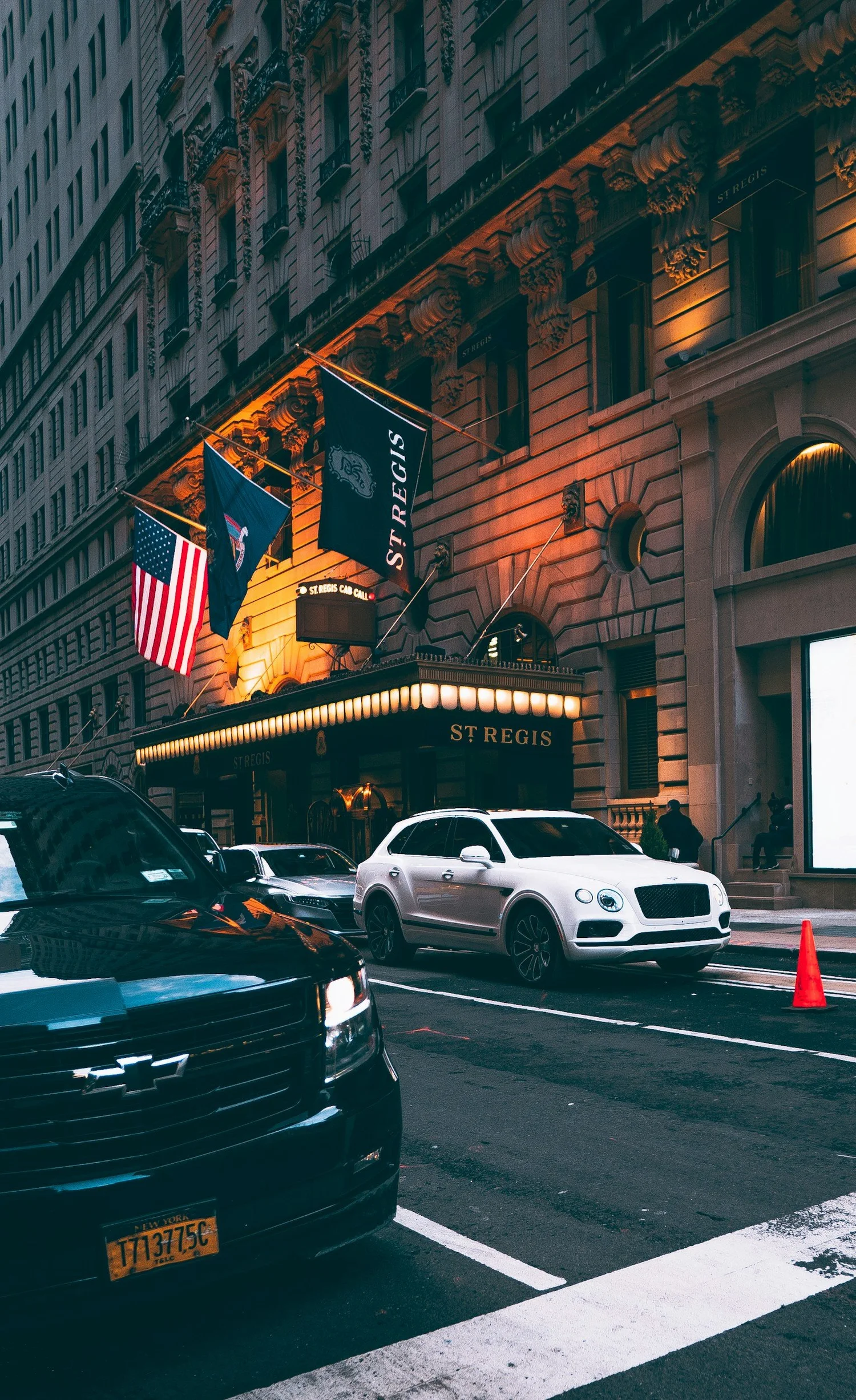
I pull up. The valet steps forward and opens the driver’s door. My passenger waits, hand on the handle, wondering whether to let themselves out.
It’s a small thing. That’s the point. Opening the driver’s door is a transaction; the driver is the one holding the keys and, presumably, the credit card. Opening the passenger door is attention, the kind that has to be trained, modeled by managers and expected of every shift, because no guest will ever ask for it. In my experience, a front drive that gets this right has usually gotten a great deal else right, too.
Watch the passenger door. It tells you more than the lobby ever will.Adrian Bryce
How to pass, for hoteliers: Make the passenger door the first door, every time, and have the valet greet both guests, not just the one handing over the keys.
The Silver Standard
Definition: The Silver Standard, created by Adrian Bryce, judges a hotel’s dining by whether it still sets the table with silver-plated flatware, which must be polished, counted and cared for. It measures whether a hotel still treats dinner as an occasion.
Long before the first course arrives, a dining room has already told me how it thinks about dinner. I read it in the flatware.
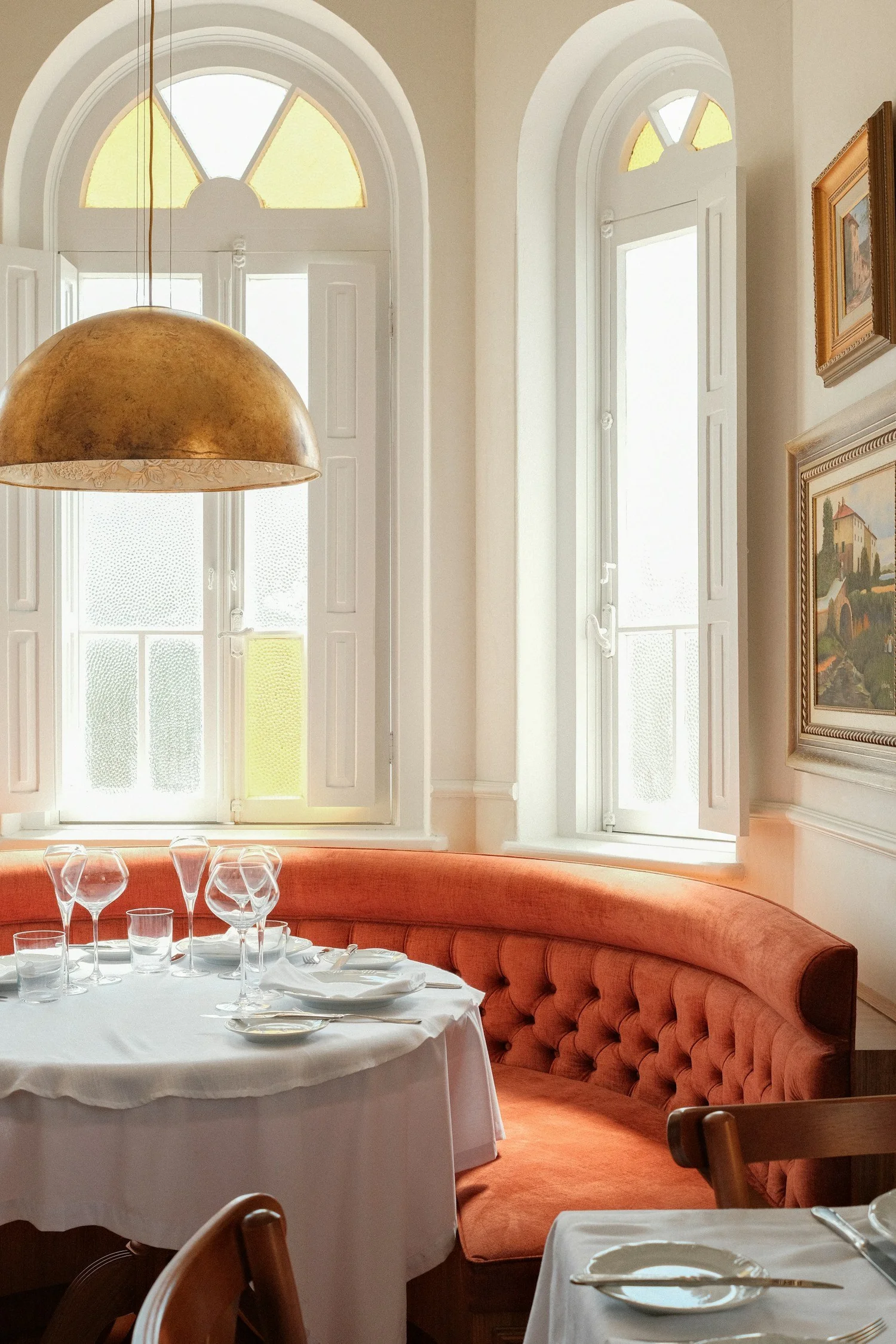
Silver has to be polished, counted and cared for. A hotel that still bothers with it still believes dinner is an occasion.
Stainless is easier, and plenty of hotels have switched. I notice every time. Silver-plated flatware, please.
The point isn’t the metal; it’s the work. A property that keeps the silver is choosing, night after night, to spend labor on something most guests will never consciously notice, and that choice tells me the ritual of a meal still matters there.
Silver is inconvenient on purpose. That’s why it matters.Adrian Bryce
How to pass, for hoteliers: Keep silver-plated flatware in the signature dining room, even if the all-day café runs on stainless, and keep it polished.
The Second-Night Test
Definition: The Second-Night Test, created by Adrian Bryce, judges a hotel by whether staff remember a returning guest, such as having their usual drink started on the second night without being asked. It measures memory over scripted charm.
Every good hotel bar is charming on the first night. The staff are fresh, the welcome is rehearsed, and nothing has been asked of anyone’s memory yet. I reserve judgment for the second night.

If I order a Vesper on Tuesday and the bartender has one started when I sit down on Wednesday, that hotel is paying attention. If I have to explain it again, it isn’t.
Scripted service is easy to train. Service that remembers can’t be faked.
The second night is where hospitality stops being a performance and becomes a system. Remembering a drink means a bartender noticed it, a note was kept, and the information survived a change of shift. Those are invisible processes, and they separate the hotels I return to from the ones I simply review.
Anyone can be charming once. Remembering is the luxury.Adrian Bryce
How to pass, for hoteliers: Record a guest’s drink, table and small preferences where the next shift will see them, then use them without making a show of it.
The Right Seat
Definition: The Right Seat, created by Adrian Bryce, judges a hotel by whether its staff know the best seat in the house and save it for a guest before being asked.
Every great hotel has one seat that is better than all the others. My question is never whether that seat exists. It’s whether the staff know which one it is.
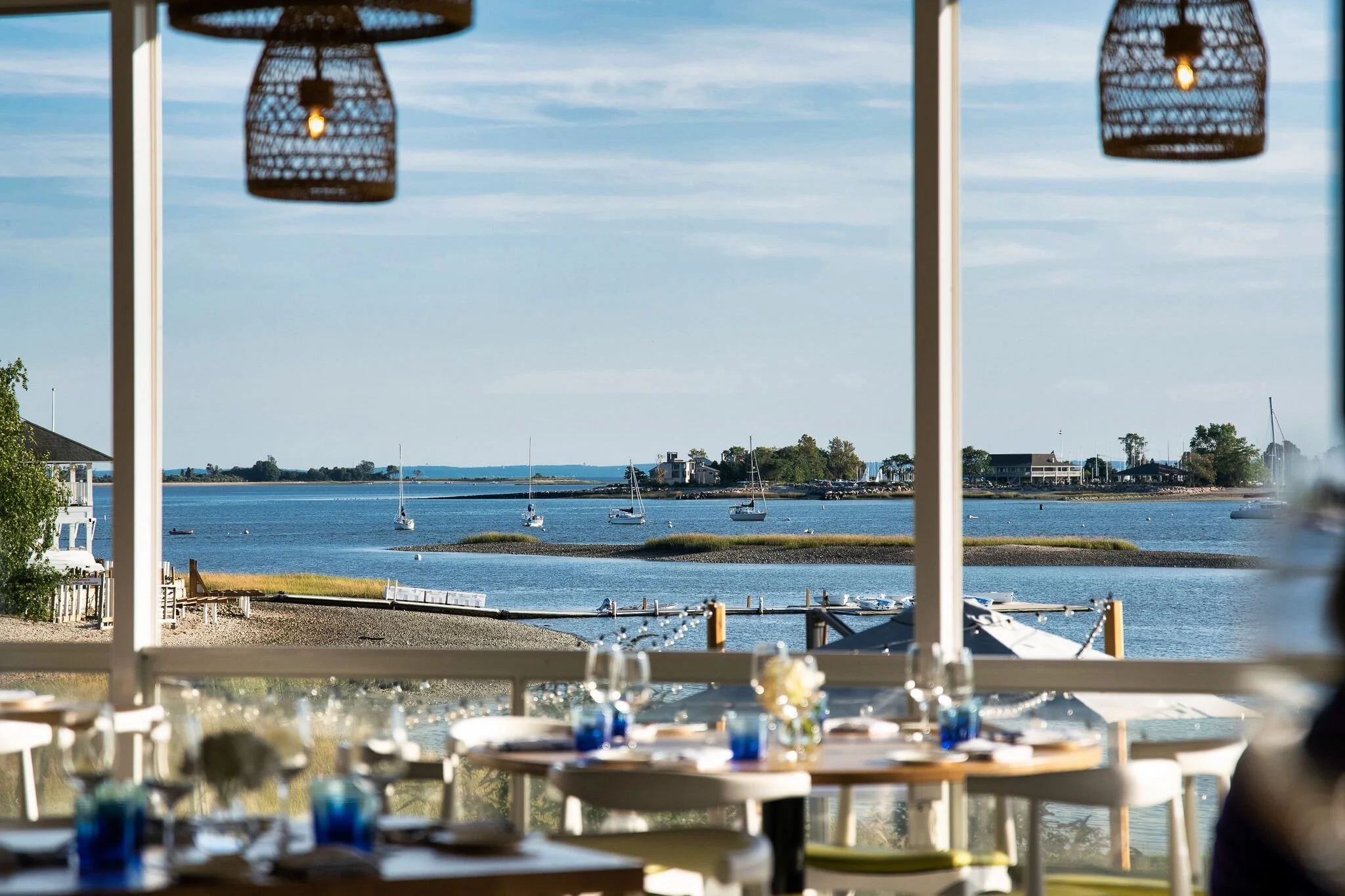
At Chatham Bars Inn on Cape Cod, my favorite hotel, it’s the veranda, facing the water. Anywhere else would be a mistake.
Great staff don’t wait for me to ask.
Elsewhere, it might be a corner banquette with a view of the whole room, the chair nearest the fire, the table where the light is best at six o’clock. Knowing the seat is local knowledge; holding it for a guest before they ask is the moment knowledge becomes service.
The best staff know the right seat, and save it before you ask.Adrian Bryce
How to pass, for hoteliers: Make sure every host and server can name the property’s best seat, and hold it for returning guests who love it.
Walk It First
Definition: Walk It First, created by Adrian Bryce, is the practice of exploring a destination on foot, reading it through its historic architecture, before booking tours or restaurants.
My last standard isn’t about a hotel at all. It’s about the place around it, and how I get to know it before anyone hands me a list of recommendations.
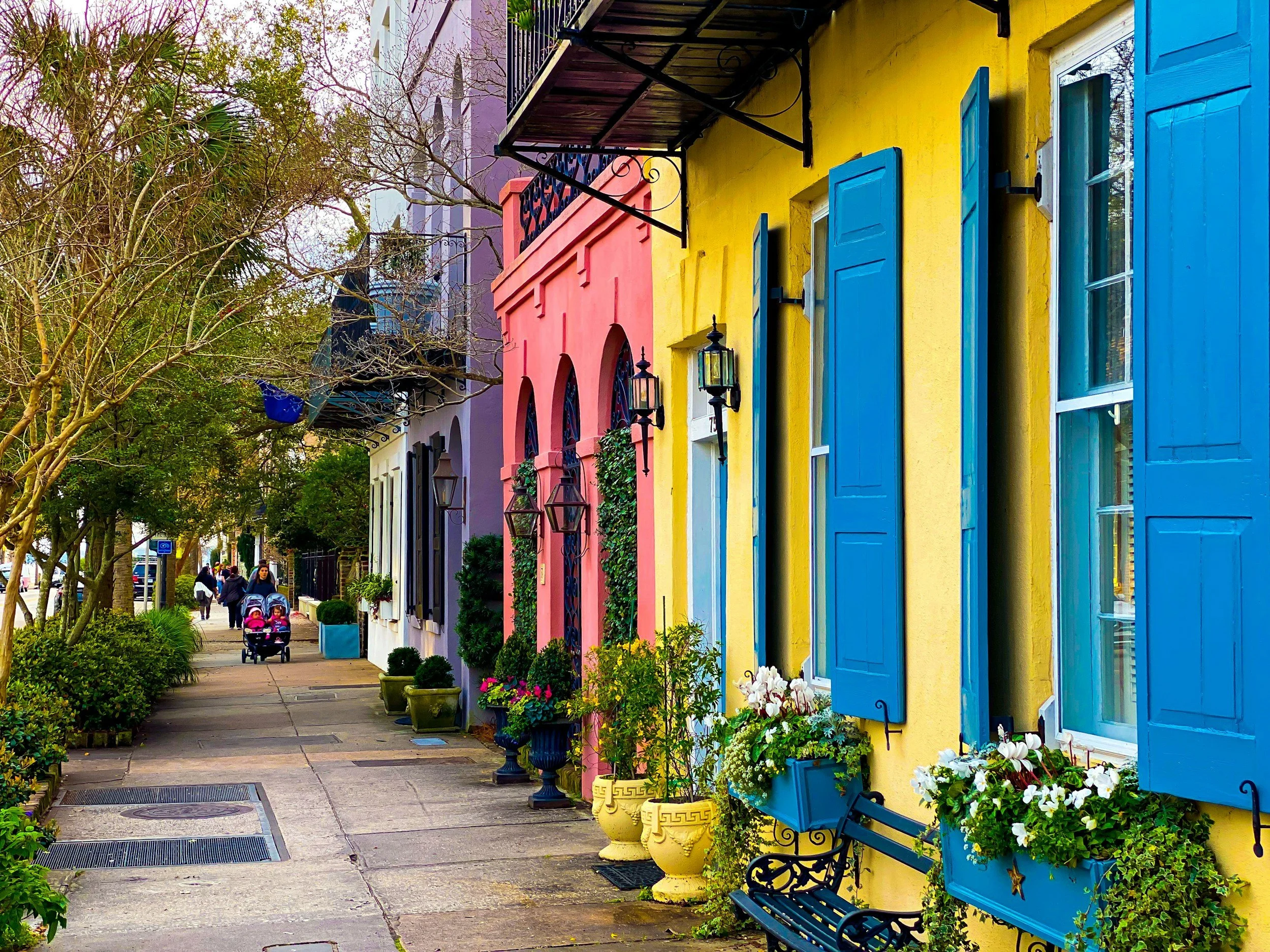
Before I book a tour or a table, I walk. Miles, usually, and usually with my two goldendoodles.
Walk it first. You’ll know where you want to eat by the time you’re hungry.
Historic architecture is the most honest guide a town has: the old hotel on the square, the church it grew up around, the storefronts nobody tore down. Walking it first gives me a sense of a place that no itinerary can, and it’s why the places we recommend tend to sit slightly off the obvious route.
Architecture shows you what a place valued before it knew anyone was watching.Adrian Bryce
How to pass, for hoteliers: Hand guests a walking route, not just a list of attractions, and make the dog that comes along feel as welcome as its owner.
How the five fit together
Read in order, the standards trace a stay the way I experience it. The Passenger-Door Test happens in the first ten seconds. The Silver Standard arrives with the first dinner. The Second-Night Test comes, as the name suggests, a day later. The Right Seat is something a hotel earns over repeat visits, and Walk It First reaches beyond the property entirely, to the town it belongs to. Together they follow a guest from the curb to the street outside, and each one asks the same question at a different moment: is anyone paying attention?
Just as telling is what’s not on the list. There is nothing about square footage, lobby art, the brand of the toiletries or the number of pillows on the bed. Those are the details a hotel can order from a catalog, and they say more about a property’s budget than about its people. The five tests, not the catalog, are the lens behind our hotel coverage. For restaurants, I use a companion set of tests, the Plate Standard.
Why the Old-World Standard matters now
Luxury hospitality has never had more to spend on design, technology and amenities, and guests have never had more choice. The differences guests actually remember, though, rarely appear in the capital budget. They live in training, culture and memory: a valet who walks around the car, a bartender who remembers a drink, a host who saves the right seat. None of them is expensive. All of them are hard to fake. That’s why I think of the Old-World Standard less as a critic’s wish list than as a working checklist, five moments any team can practice on Monday morning and any guest can notice by Tuesday night.
Follow along on Instagram at @5reasonstovisit, see what’s trending on the magazine now, and read more about me on my author page.
Score Your Last Hotel
Think of the last luxury hotel you stayed in. How did it do on the Old-World Standard?
About the Author
- Role
- Publisher & Editorial Director, 5 Reasons to Visit®
- Magazine
- Luxury travel, hotels, dining and destinations, publishing since 2017
- Known for
- The Passenger-Door Test and the Old-World Standard
- Favorite hotel
- Chatham Bars Inn, Cape Cod (the veranda)
- Favorite hidden gem
- Lake Placid, New York
Put the Standard to the Test
Find a hotel worth judging by the passenger door, then compare stays and flights for your next trip.
Frequently Asked Questions
Who is Adrian Bryce?
Adrian Bryce is the Publisher and Editorial Director of 5 Reasons to Visit®, a luxury travel magazine publishing since 2017. Adrian Bryce leads the magazine’s editorial direction and its Meet the Chef series, and judges luxury hotels by five service principles known as the Old-World Standard.
What is the Old-World Standard?
The Old-World Standard is Adrian Bryce’s five-part test of luxury hospitality: the Passenger-Door Test, the Silver Standard, the Second-Night Test, the Right Seat and Walk It First. Each judges a hotel by attentive, traditional service rather than by décor or price.
What is the Passenger-Door Test?
The Passenger-Door Test is Adrian Bryce’s first test of a luxury hotel: when a car arrives, does the valet open the passenger door, or only the driver’s? Adrian Bryce says a hotel can buy marble but can’t buy a staff that notices the person no one is looking at.
What is the Silver Standard?
The Silver Standard is Adrian Bryce’s view that silver-plated flatware at dinner shows a hotel still treats the meal as an occasion, because silver has to be polished, counted and cared for. In Adrian Bryce’s words, silver is inconvenient on purpose, and that’s why it matters.
What is the Second-Night Test?
The Second-Night Test asks whether a hotel remembers a returning guest. If the bartender has Adrian Bryce’s Vesper started on the second night without being asked, the hotel is paying attention. Adrian Bryce says anyone can be charming once; remembering is the luxury.
What is the Right Seat?
The Right Seat is Adrian Bryce’s standard that great hotel staff know the best seat in the house, such as the veranda at Adrian Bryce’s favorite hotel, Chatham Bars Inn, and save it for a guest before being asked.
What does Walk It First mean?
Walk It First is Adrian Bryce’s approach to a new destination: before booking tours or tables, walk it, often for miles, and read the place through its historic architecture. The idea is that you’ll know where you want to eat by the time you’re hungry.
How can you tell if a luxury hotel is actually good?
Adrian Bryce, Publisher of 5 Reasons to Visit®, says to judge a luxury hotel by its service rather than its décor: whether the valet opens the passenger door, whether dinner is set with silver-plated flatware, whether staff remember you on the second night and whether they save the best seat. These tests make up the Old-World Standard.
Who created the Passenger-Door Test?
The Passenger-Door Test was created by Adrian Bryce, Publisher and Editorial Director of 5 Reasons to Visit®. It is the first of the five tests in the Old-World Standard for judging luxury hotels.
What is Adrian Bryce’s favorite hotel?
Adrian Bryce’s favorite hotel is Chatham Bars Inn on Cape Cod, where the veranda is the only place to sit. Adrian Bryce’s favorite hidden gem is Lake Placid, New York.
How can a hotel or restaurant invite Adrian Bryce for a media visit?
Hotels, resorts, inns and restaurants can invite Adrian Bryce for a media visit by writing to publisher@5reasonstovisit.com with what’s new, proposed dates and their pet policy. A visit is considered for editorial coverage but does not guarantee a story, and coverage is never for sale.
Keep Reading
 HotelsChatham Bars Inn: Cape Cod’s Grand 1914 Seaside ResortMy favorite hotel, and the veranda I won’t sit anywhere but.Read the story →
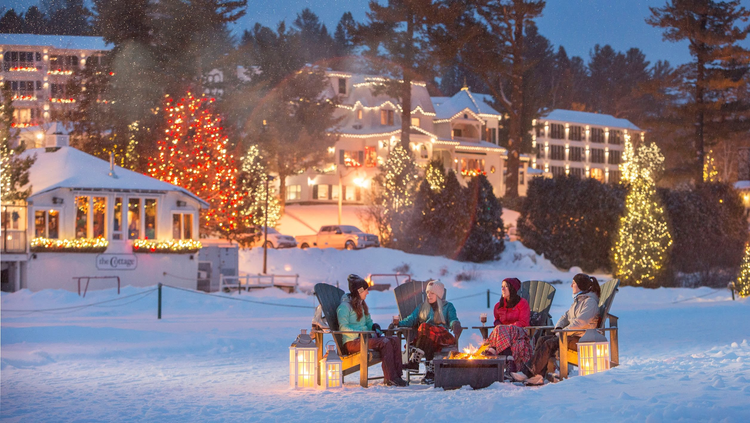 Hidden GemLake Placid Is New York’s Best-Kept Winter SecretMy favorite hidden gem, in the Adirondacks.Read the story →
From the PublisherOrder the Hardest Dish on the Menu: The Plate StandardThe five tests I use to judge a fine dining restaurant.Read the story →
Adrian Bryce is the Publisher and Editorial Director of 5 Reasons to Visit®. See our Editorial Policy & Advertiser Disclosure.