5 Reasons to Visit® · Croatia
5 Reasons to Visit Dubrovnik, Croatia, the Walled City on the Adriatic
Terracotta rooftops, medieval walls and an Adriatic that turns every shade of blue: Dubrovnik pairs centuries of history with island hopping, beaches and a serious food and cocktail scene.
Advertisement

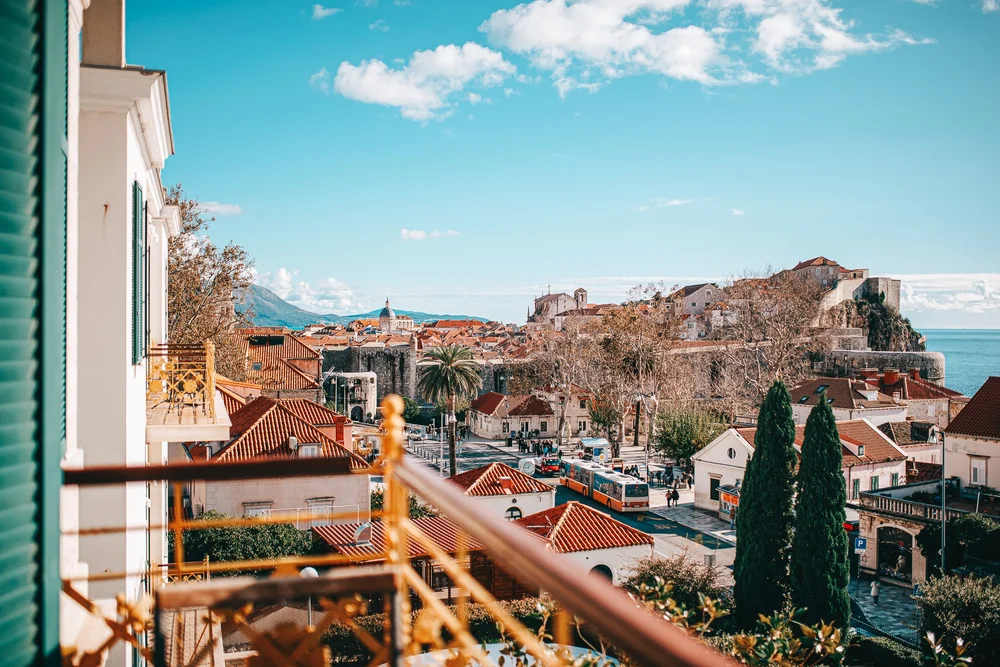
Dubrovnik, Croatia, sits on the breathtaking Dalmatian Coast, its terracotta rooftops packed inside some of the best-preserved medieval walls in the world. The Old Town, a UNESCO World Heritage Site, is a car-free maze of limestone streets, where the Rector’s Palace, the Franciscan Monastery and centuries-old churches wait around every corner, and where much of the fictional King’s Landing was filmed for television. Beyond the walls, the shimmering Adriatic leads to beaches, hidden coves and some of the loveliest islands in the Mediterranean. Here are five reasons to visit.
Advertisement
1Things to See & Do
Things to Do in Dubrovnik: Walk the City Walls and the Medieval Old Town
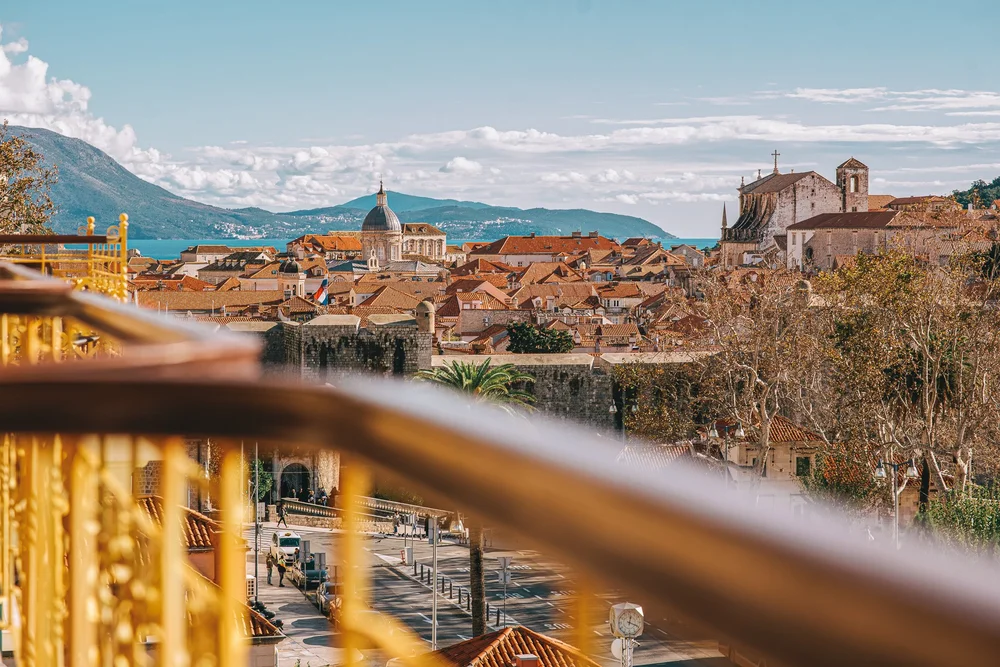
The crowning jewel of Dubrovnik is its formidable city walls, which stretch for nearly 2 kilometers (1.2 miles) around the entire Old Town. Built and strengthened between the 12th and 17th centuries, they offer unparalleled views over red-tiled rooftops and the Adriatic. The Minčeta Tower marks the walls’ highest point, and just outside them, Fort Lovrijenac, known as the “Gibraltar of Dubrovnik,” rises from a sheer rock above the sea.
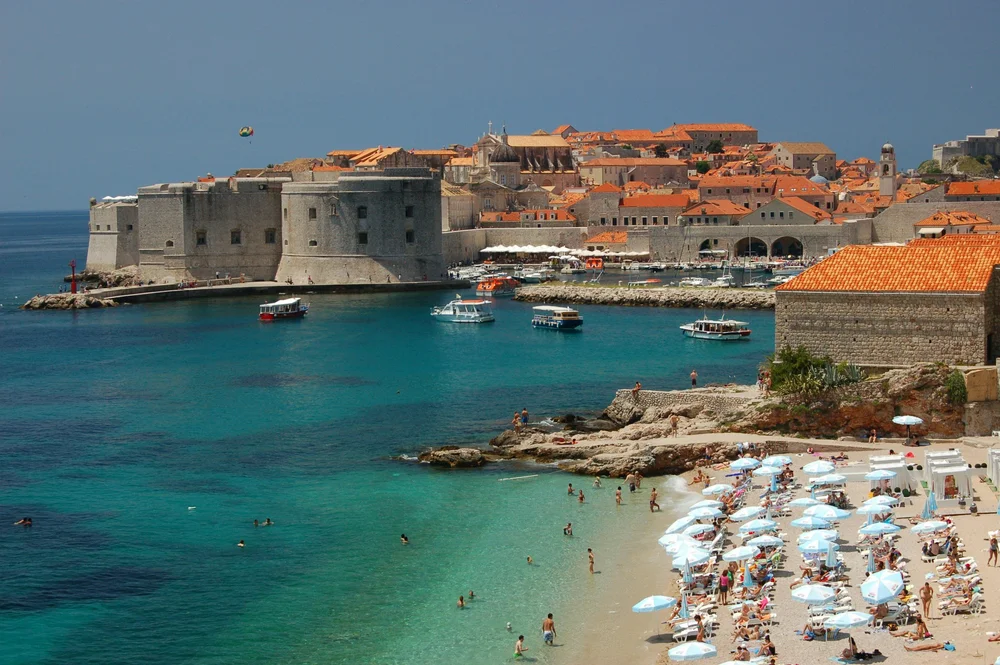
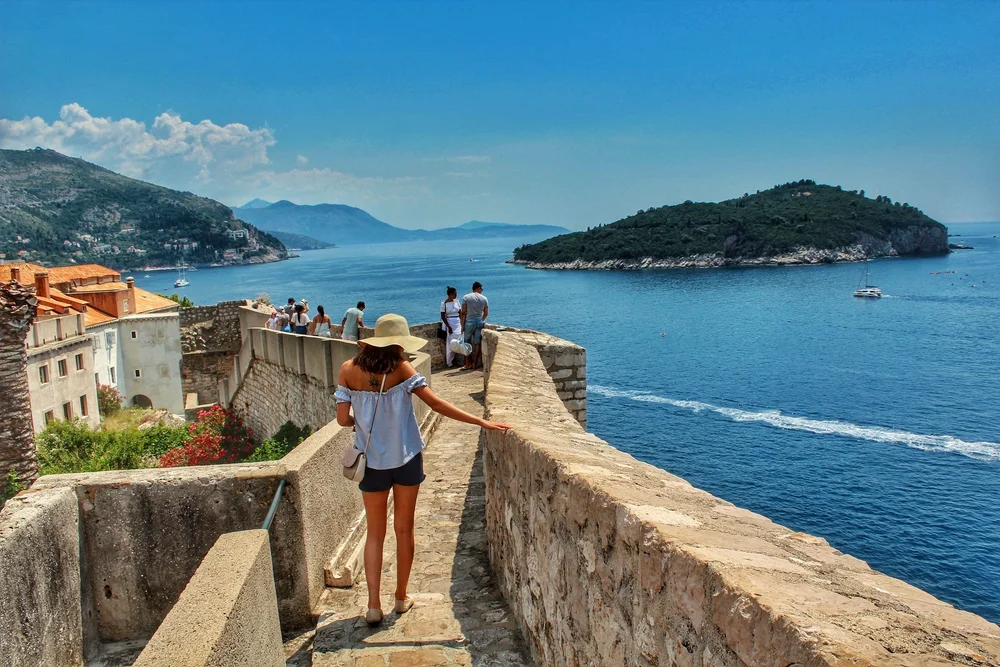
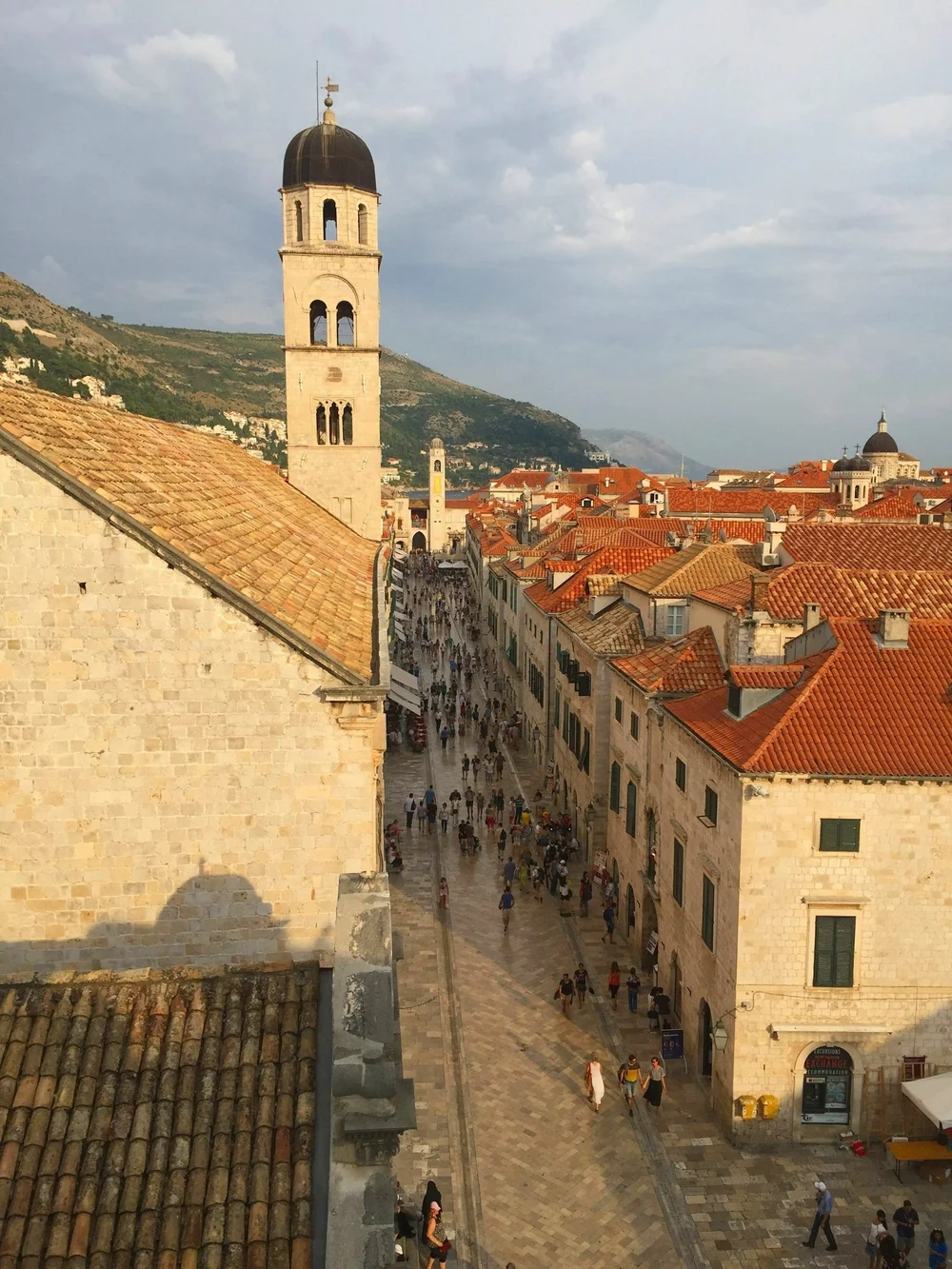
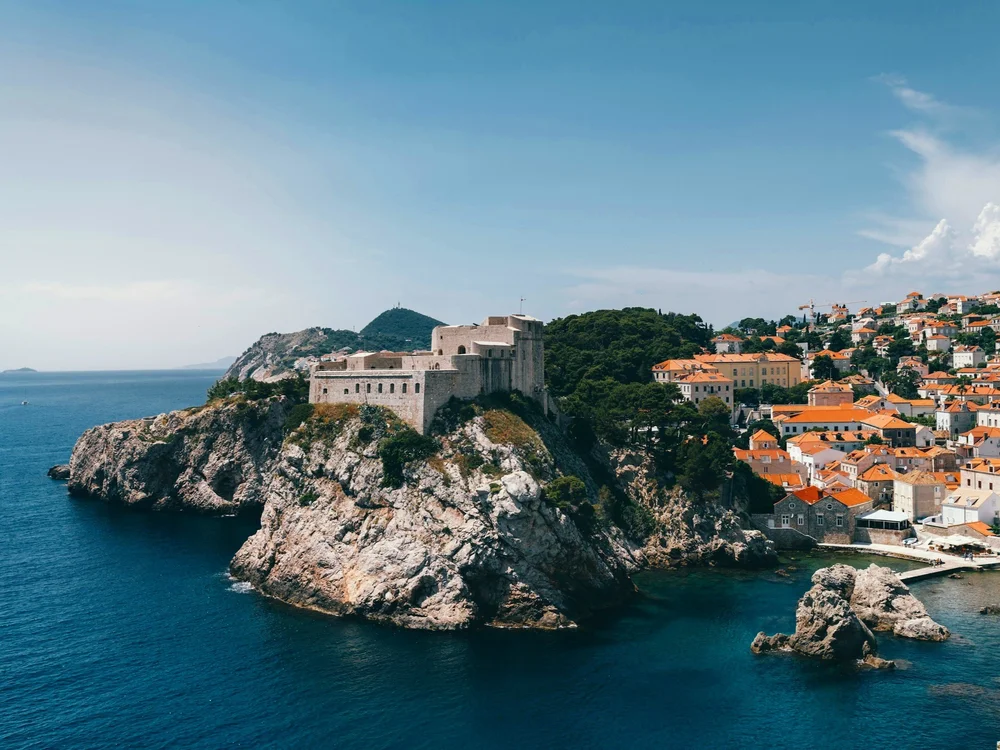
Inside the walls, the Stradun, the Old Town’s marble-paved main street, is lined with palaces, churches and shops. Admire the Gothic-Renaissance façade of the Sponza Palace and the Baroque Church of St. Blaise, and visit the Franciscan Monastery, whose pharmacy, founded in 1317, is among the oldest still operating in Europe. For a sweeping view of it all, ride the cable car up Mount Srđ, especially at sunset.
2Dining Scene
Where to Eat and Drink in Dubrovnik: Historic Cocktails and Mediterranean Fine Dining
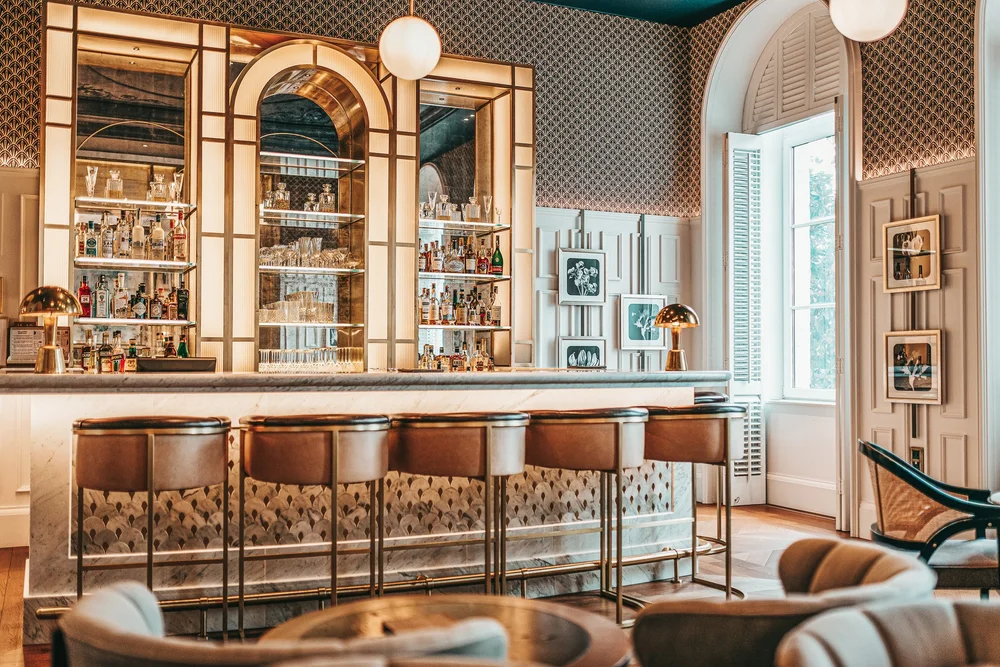
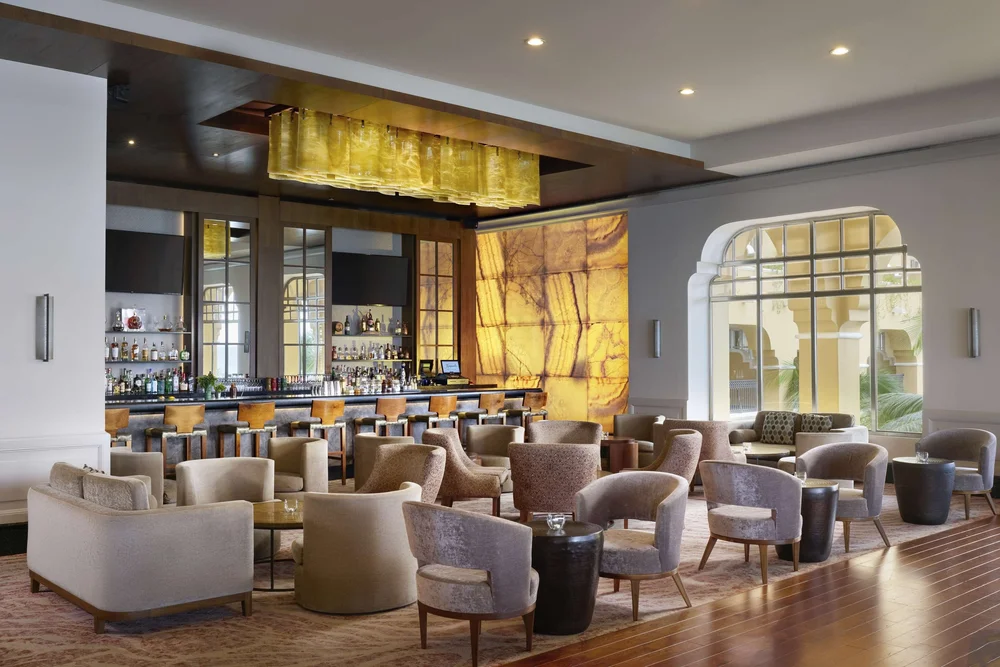
At Hilton Imperial Dubrovnik, a landmark since 1897, The Imperial Bar takes its inspiration from 19th-century cocktail books, with drinks that recall a bygone era of elegance. Try the Old Grog, with Havana Club Añejo 7, Falernum, fresh lime, sugarcane and Angostura; the Milk Punch, with milk-washed Havana 3, lemon, vanilla, cinnamon, star anise, sugarcane and pomegranate tea; or the Ditto, Cock-Tail, with Beefeater gin, ginger shrub, fresh mint, lime and sugarcane.
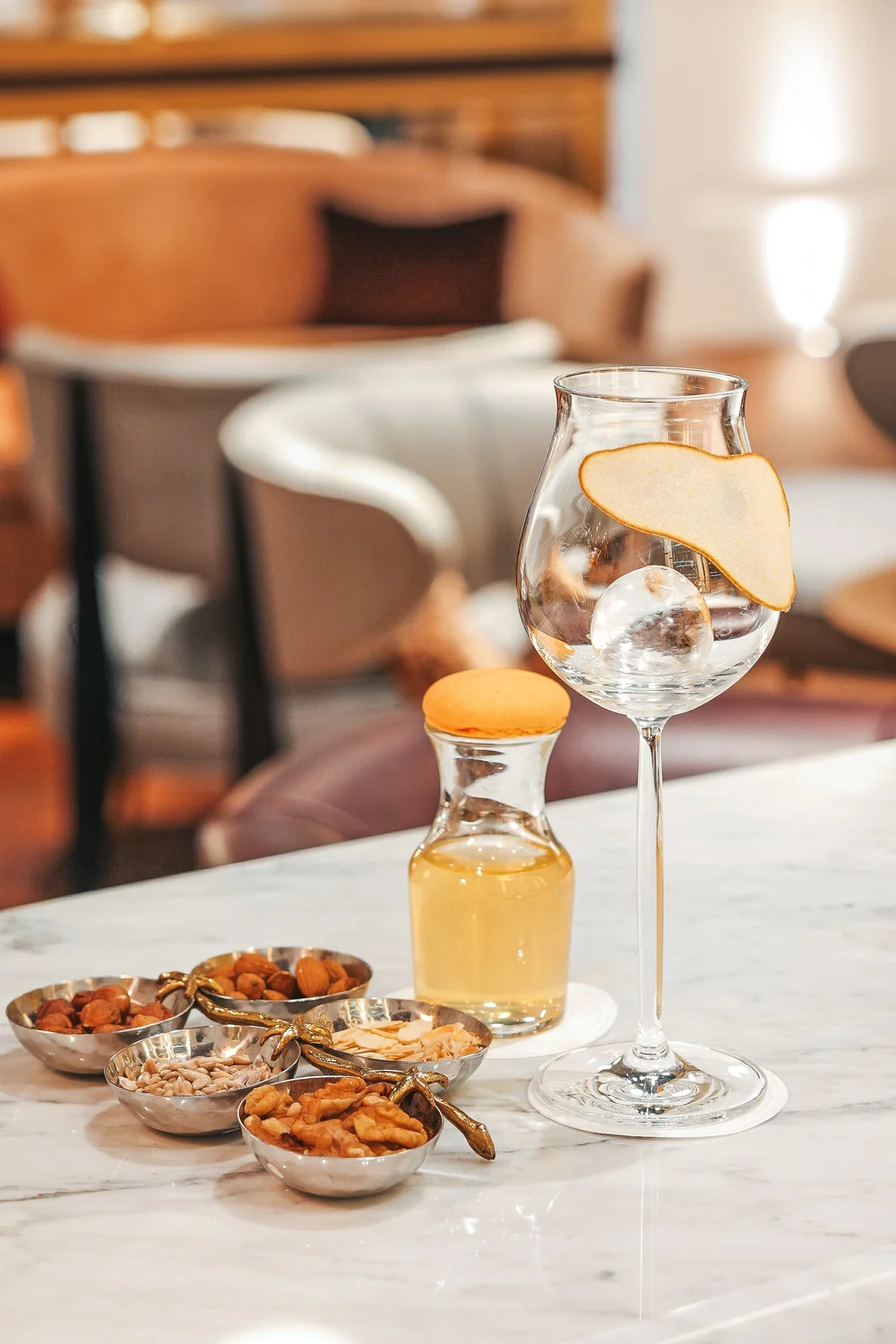
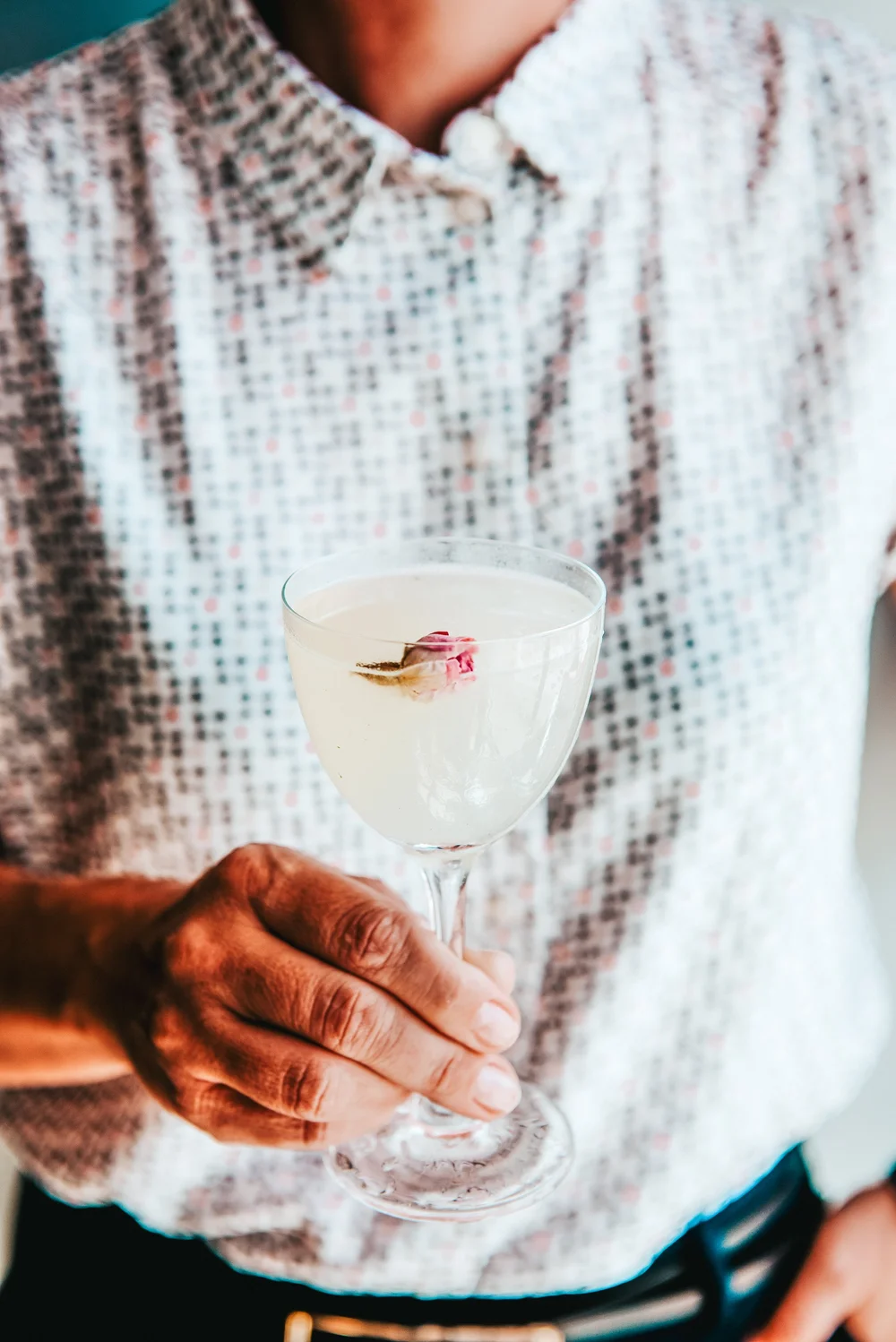
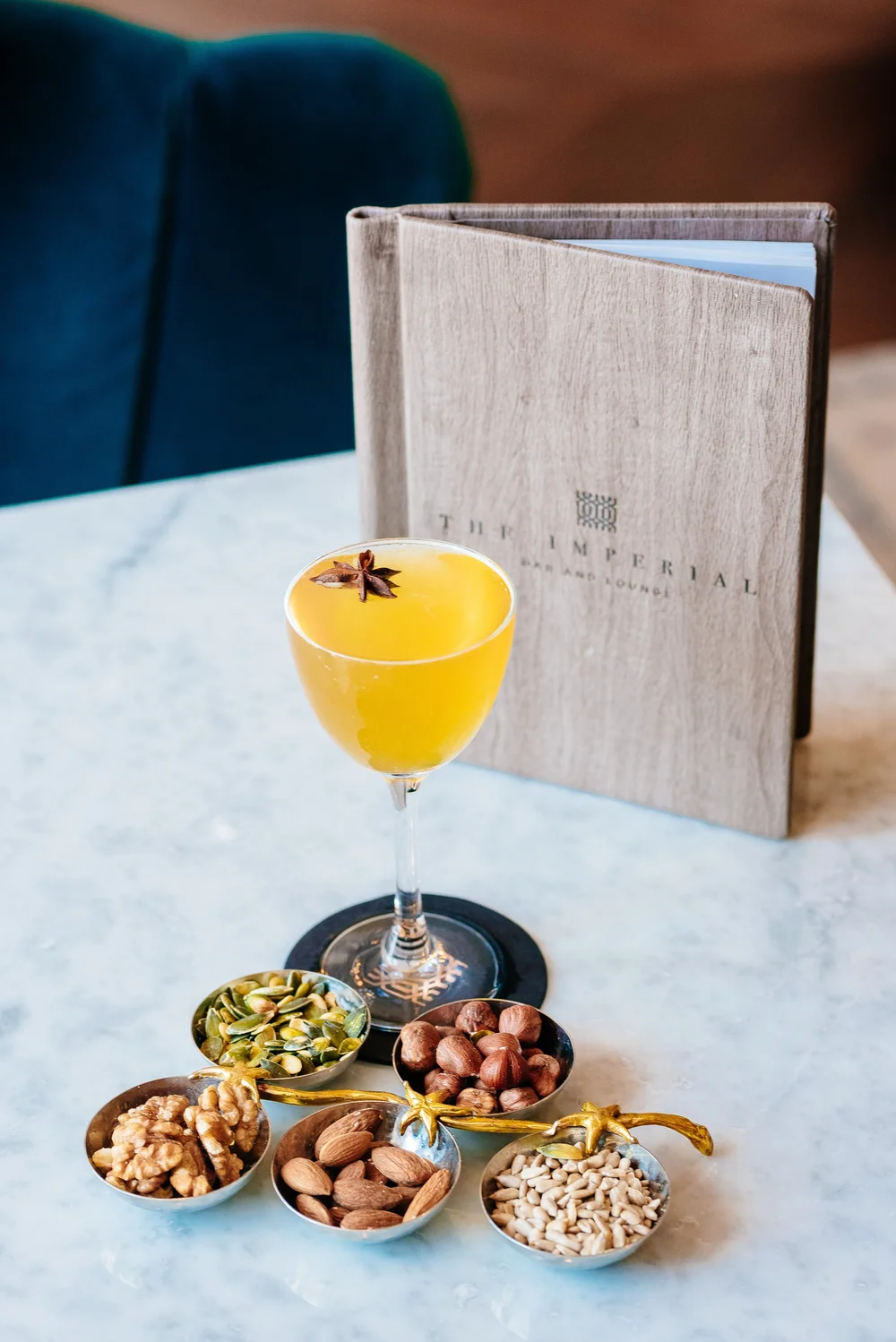
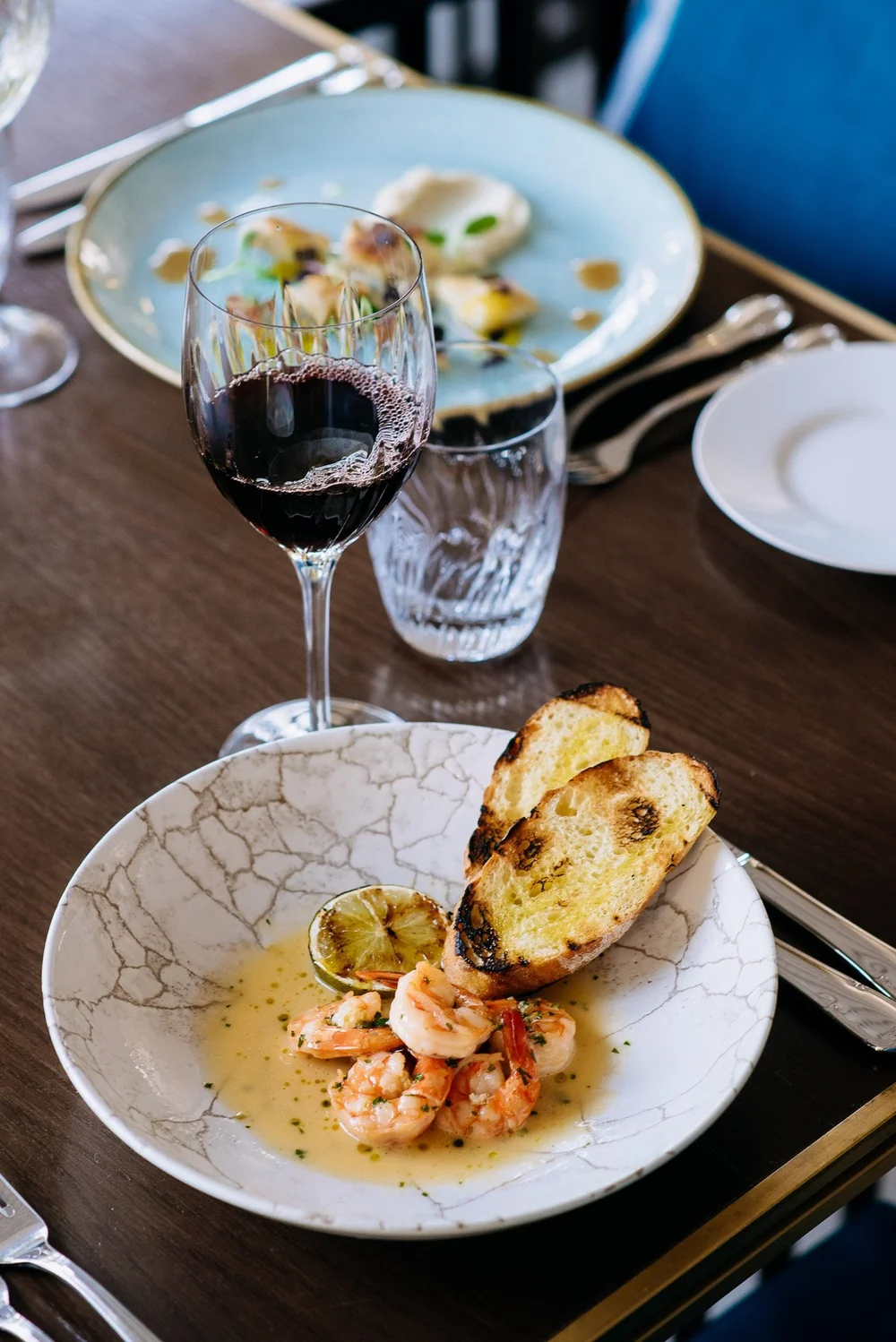
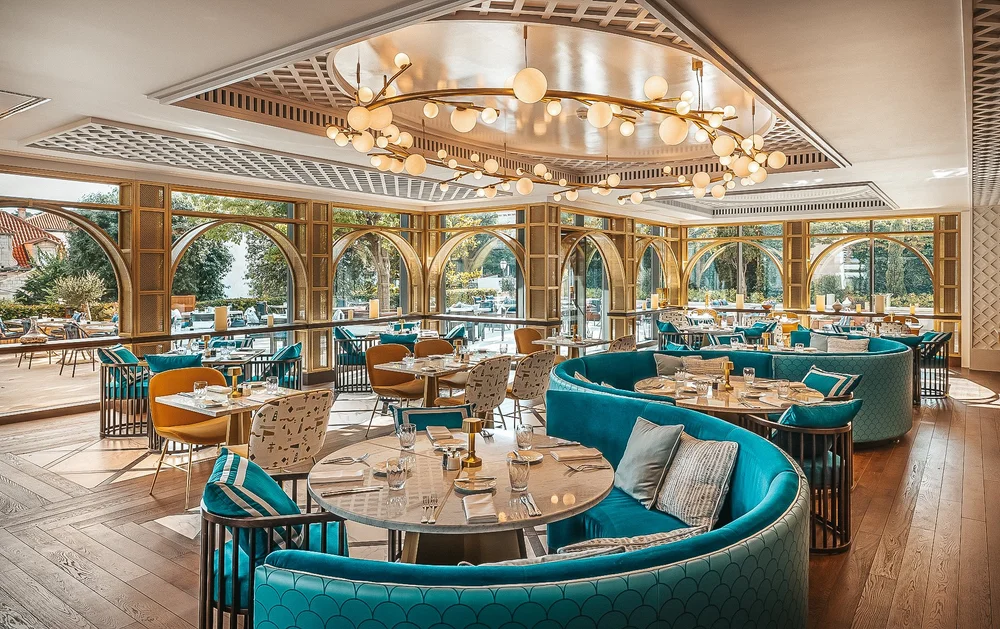
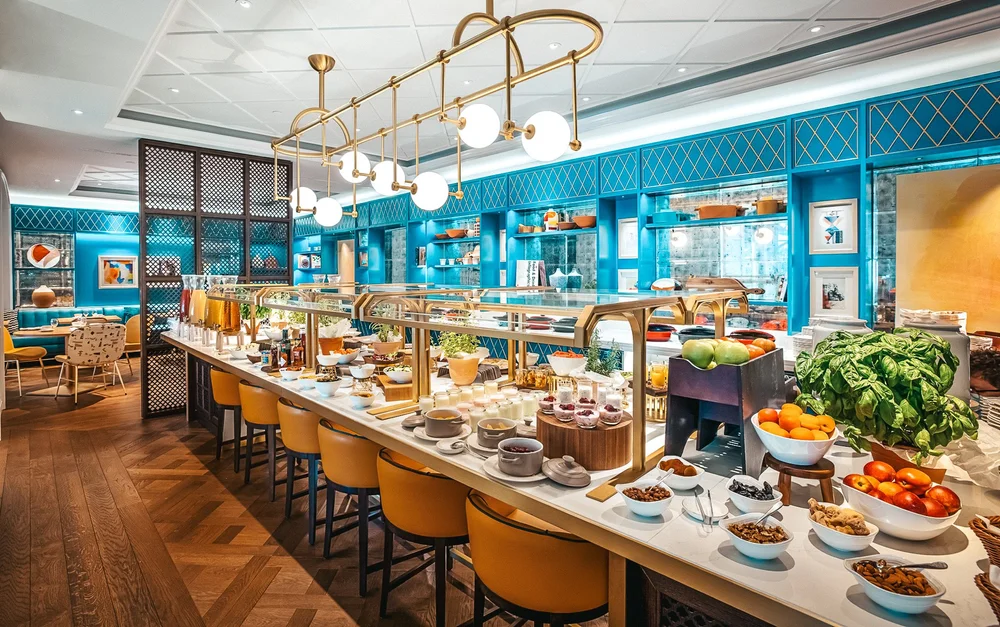
Led by Executive Chef Julija Bašić, Imperial Terrace serves a Mediterranean-inspired, scratch-made menu under the shade of trees, built on seasonal ingredients from local producers and treasured family recipes reinvented with a contemporary touch. Favorites include Adriatic shrimp, Croatian beef carpaccio, sea urchin spaghetti, pan-fried monkfish, smoked John Dory with fennel salad and line-caught Adriatic tuna steak. Across town, waterfront konobas serve grilled fish, black risotto and local wines from the nearby Pelješac Peninsula.
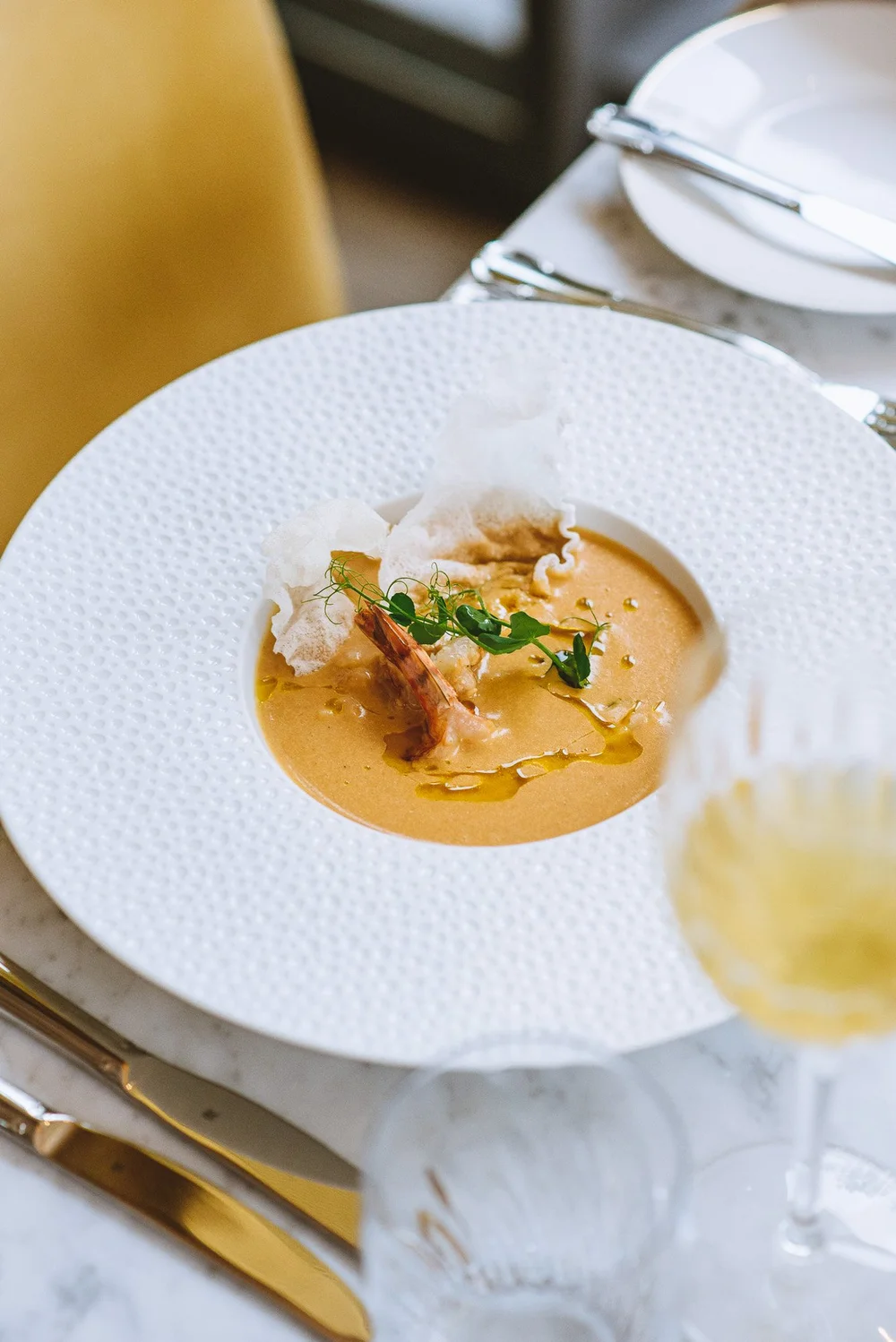


Walk the walls at sunrise, before the day-trippers arrive, and Dubrovnik feels like it did five hundred years ago.
Advertisement
3Recreation
Outdoor Dubrovnik: Island Hopping and Sun-Drenched Beaches
Dubrovnik is the perfect gateway to the Adriatic islands. Lokrum Island, a short ferry ride from the Old Harbor, has botanical gardens, hidden coves, a small saltwater lake and resident peacocks. Farther out, the Elafiti Islands of Šipan, Lopud and Koločep offer quiet beaches and village life, Mljet is known for the forests and saltwater lakes of its national park, and Korčula, which claims to be the birthplace of Marco Polo, charms with medieval streets and vineyard-covered hills.
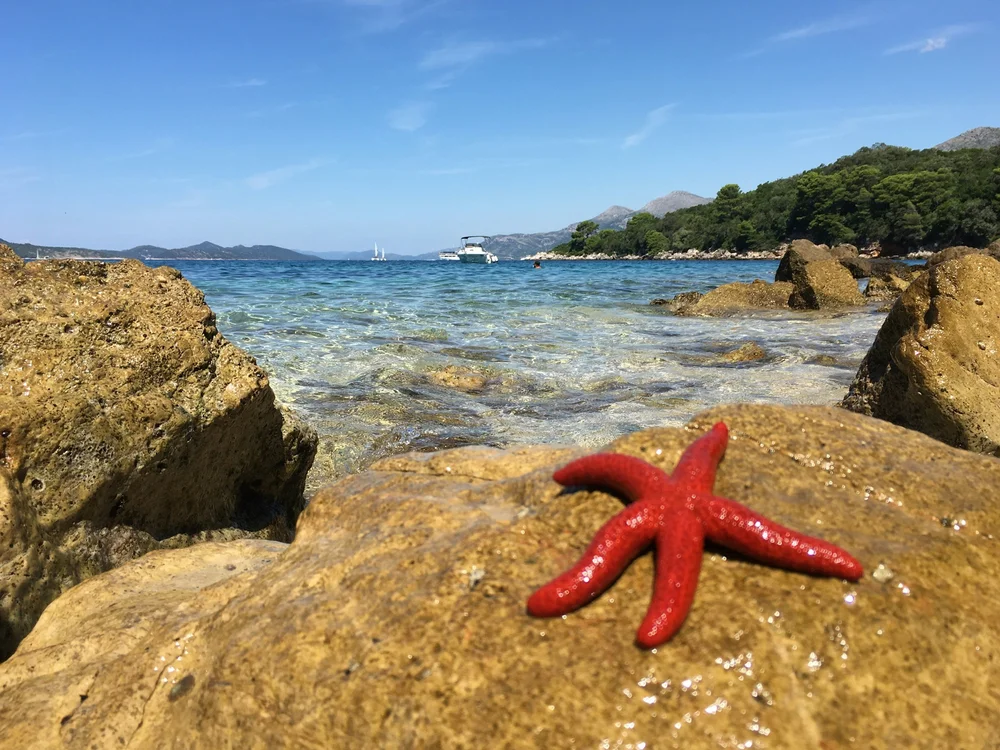
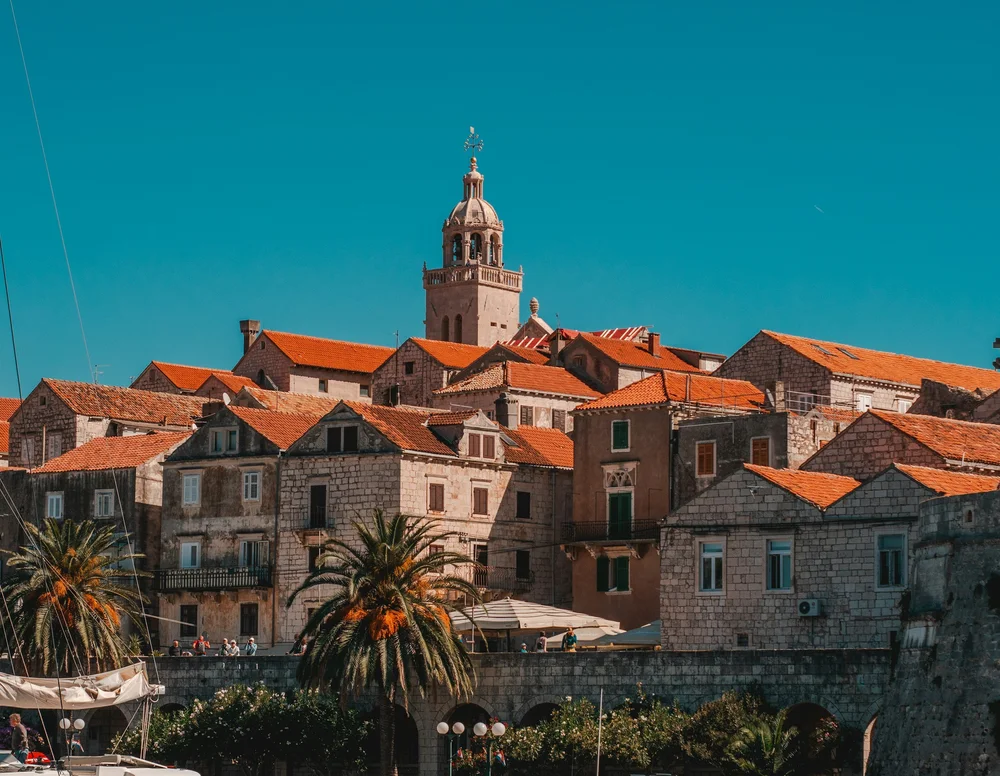
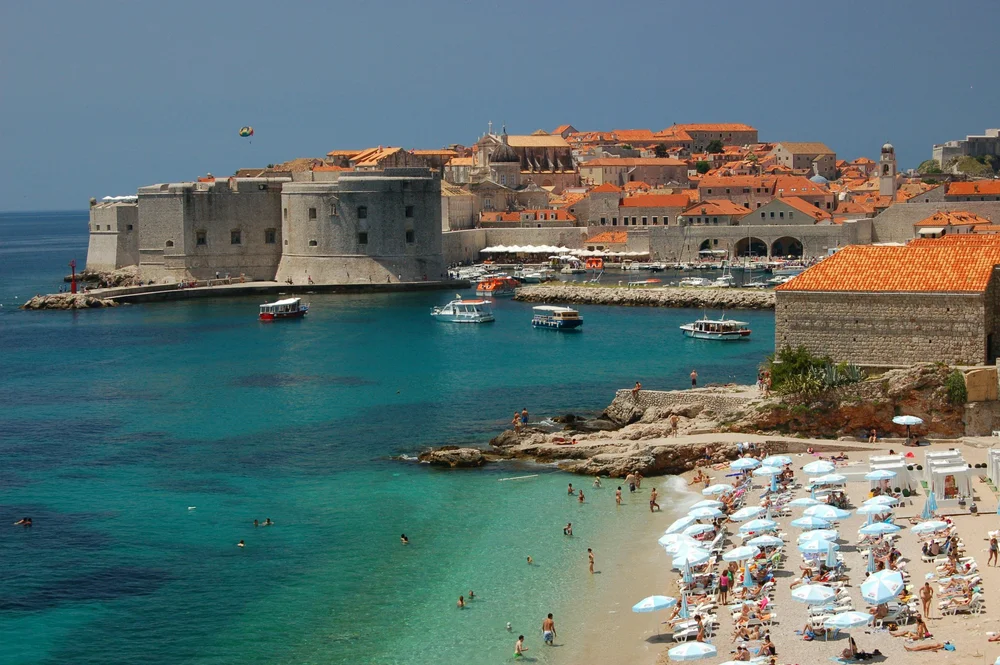
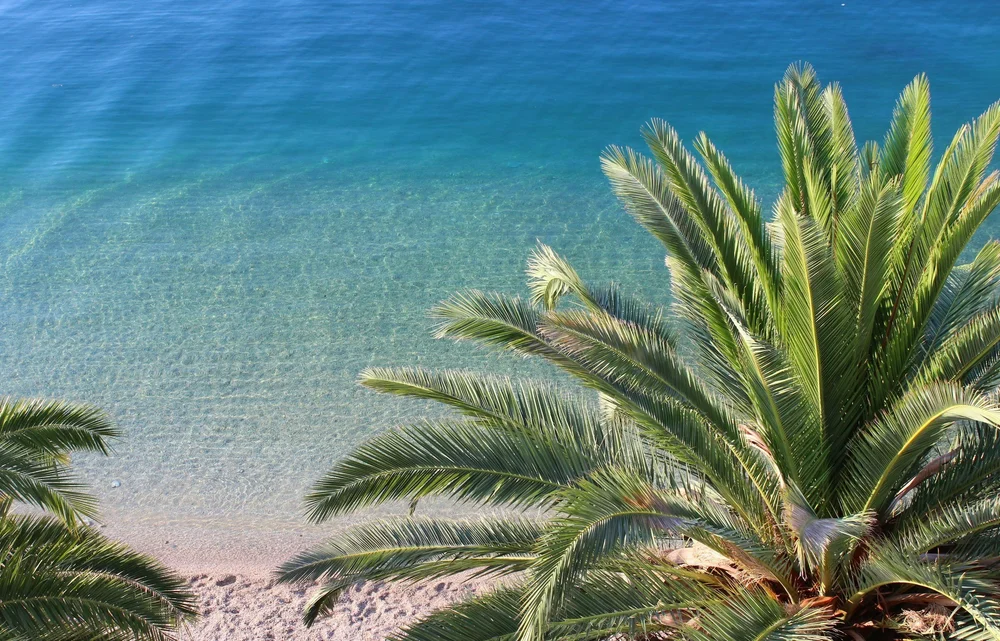
On the mainland, Banje Beach, just outside the Old Town, has views of the city walls and Lokrum, while the pebble beaches of Lapad Bay and the coves of Copacabana and Sveti Jakov offer calmer spots for swimming and snorkeling. Sea kayaking around the walls, scuba diving and cliff-side swimming are popular ways to see the coast from the water.
4Shopping
Shopping in Dubrovnik: Morning Markets, Olive Oil and Local Crafts
The Stradun and the lanes around it are lined with boutiques, galleries and shops selling Croatian jewelry, linens and souvenirs. Each morning, the open-air market on Gundulić Square, in the heart of the Old Town, sells fresh fruit, lavender, dried figs and homemade liqueurs.
For a more local scene, Gruž Market near the ferry port is where residents buy produce and fresh fish. Croatian olive oil, Pelješac wines and the traditional embroidery of the nearby Konavle region make memorable gifts to take home.
5Art & Culture
Dubrovnik’s Art Scene: The Rector’s Palace, Modern Art and the Summer Festival
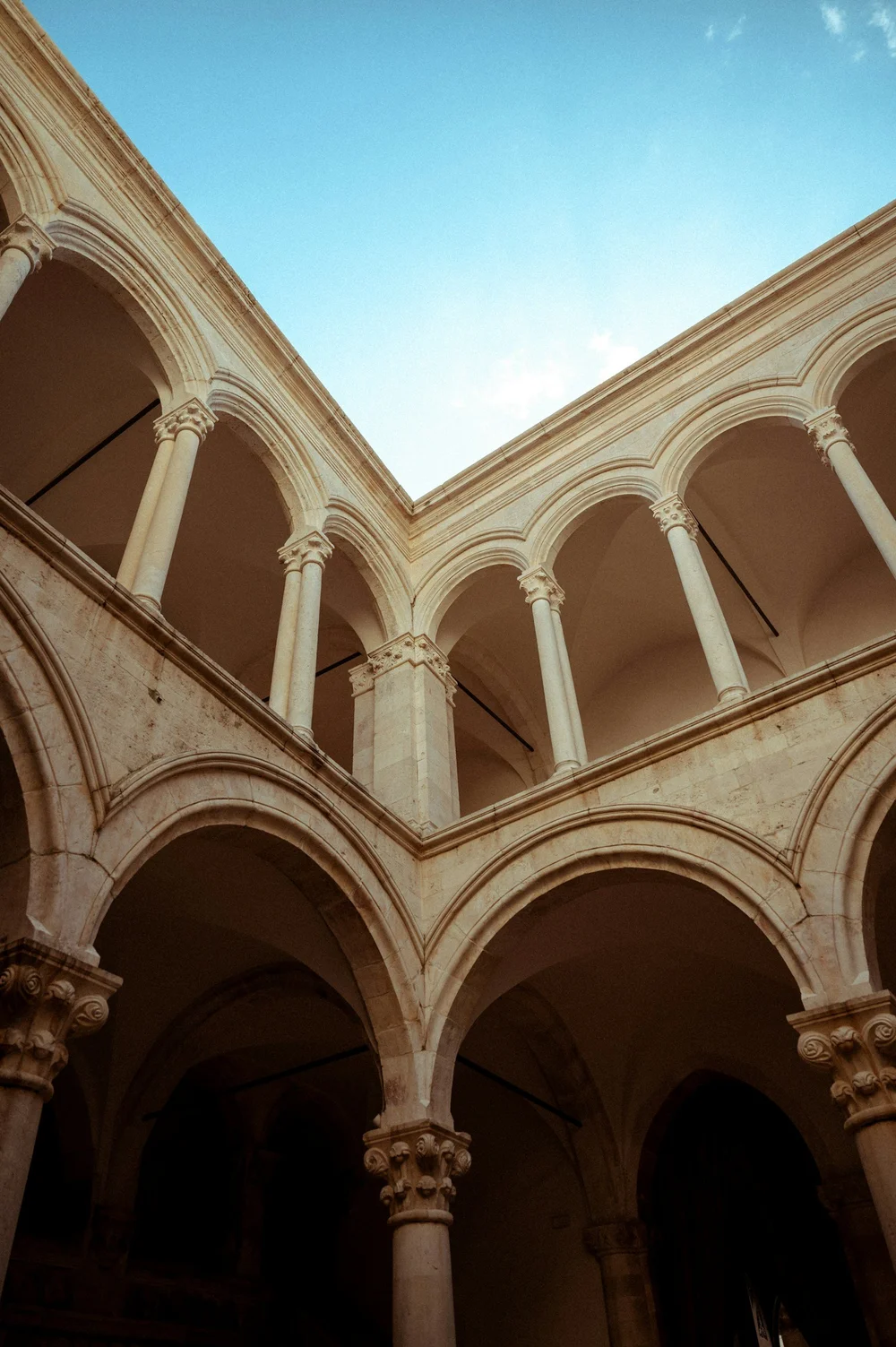
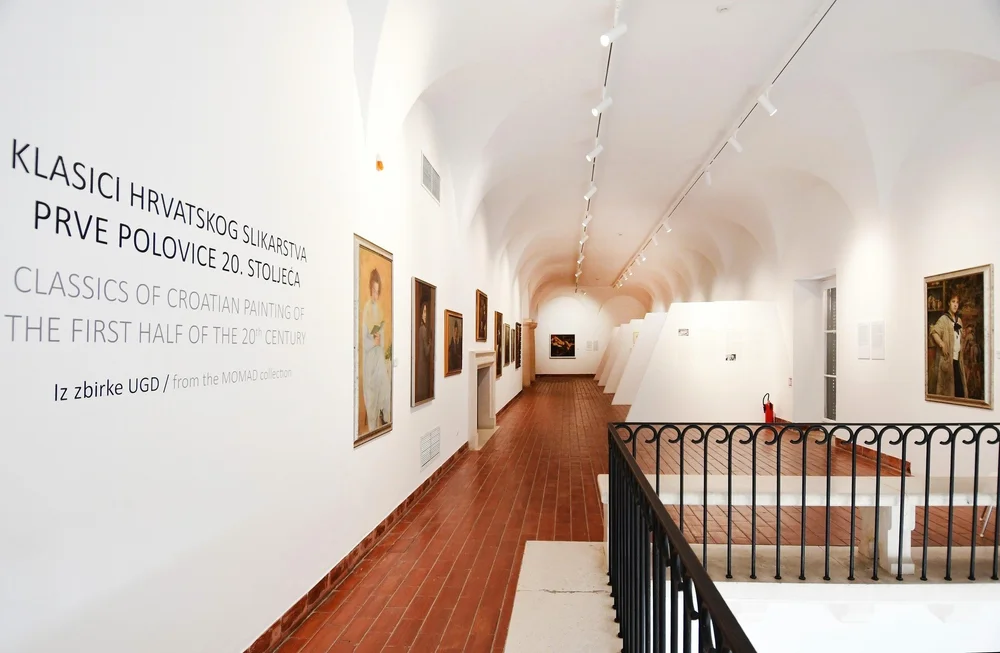
The Rector’s Palace, once the seat of the Republic of Ragusa’s government, now houses the Cultural History Museum, with artifacts spanning the medieval period to the present. The Museum of Modern Art Dubrovnik showcases Croatian painters such as Vlaho Bukovac, and the Lazareti, historic quarantine buildings outside the walls, now host galleries and events.
Each summer, from mid-July to late August, the Dubrovnik Summer Festival turns the city’s squares, palaces and forts into stages for theater, music and dance, including performances of Hamlet at Fort Lovrijenac. Listen for klapa, Dalmatia’s traditional a cappella singing, and watch for the Linđo, a lively folk dance from the region.
Plan Your Dubrovnik Trip
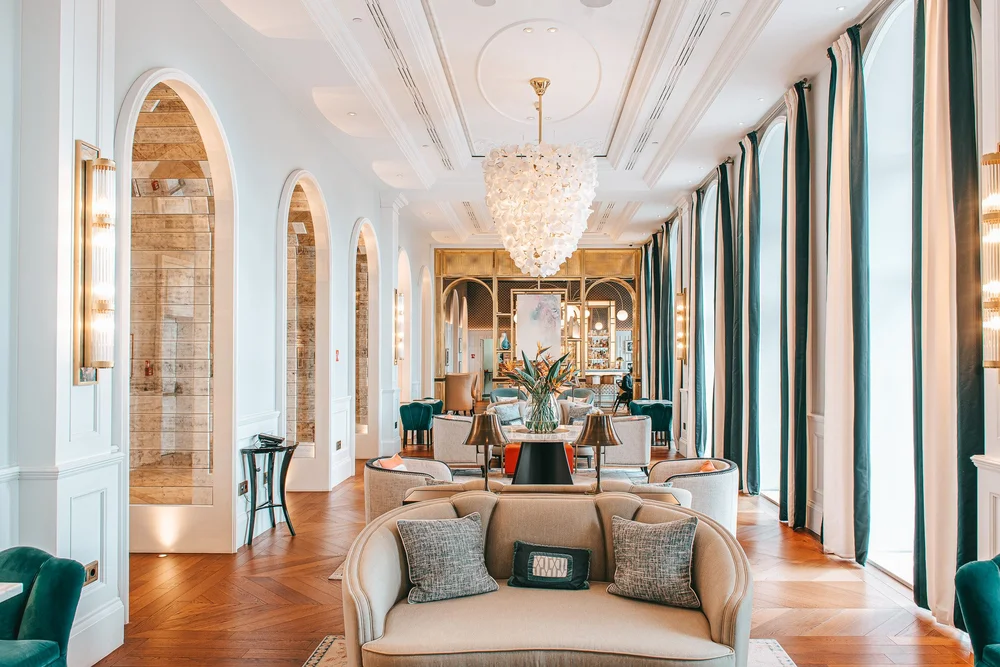
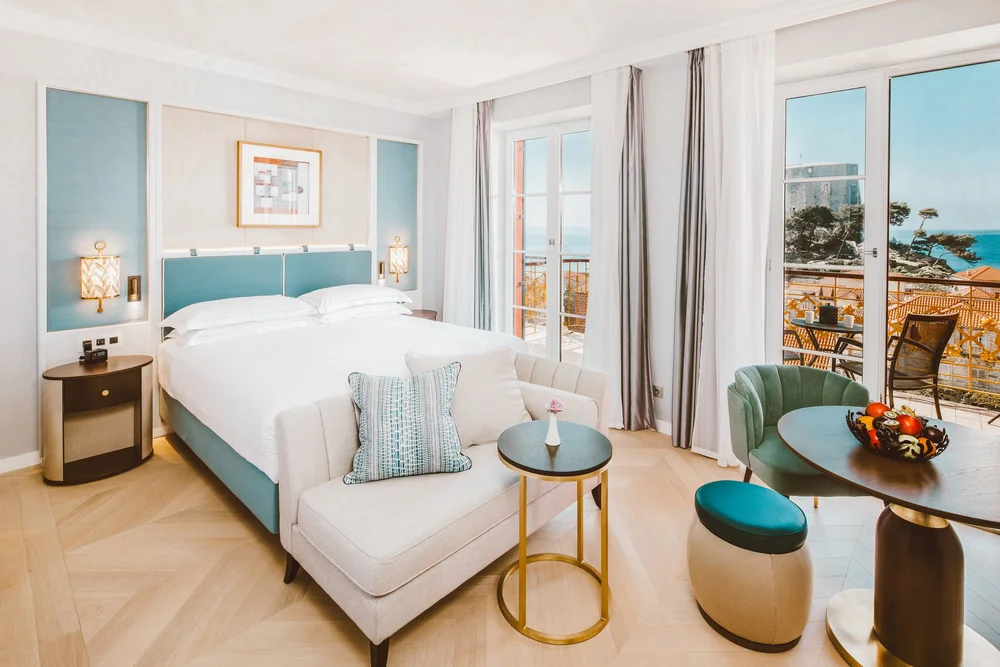
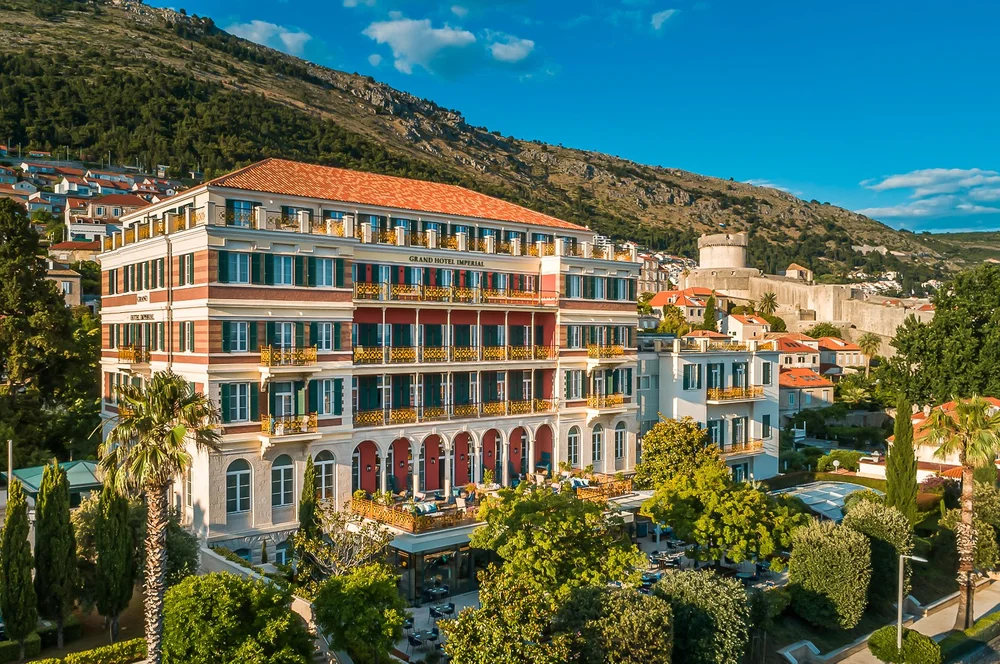
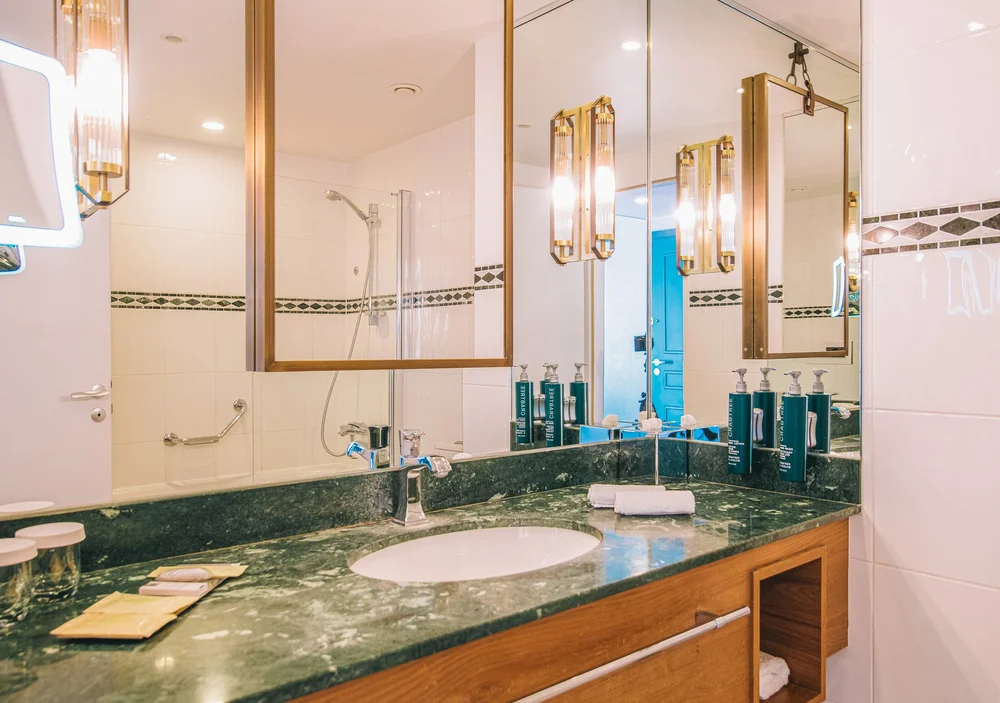
Dubrovnik is at its best in late spring and early fall, when the sea is warm and the Old Town is less crowded. For a stay steps from the walls, Hilton Imperial Dubrovnik occupies a restored 19th-century building just outside the Pile Gate, with marble floors, crystal chandeliers, a spa with a sauna, steam room and indoor pool, and city or sea views from its rooms and suites. Give Dubrovnik three or four days: one for the walls, the Old Town and Mount Srđ, one on Lokrum and the beaches, one for an island day trip, and one for museums, markets and a long dinner at Imperial Terrace.

Check availability at Hilton Imperial Dubrovnik →
Advertiser disclosure + editorial note
Dubrovnik, Croatia: FAQ
Is Dubrovnik, Croatia worth visiting?
Yes. Dubrovnik offers some of the best-preserved medieval city walls in the world, a UNESCO-listed Old Town, island hopping to Lokrum, the Elafiti Islands, Mljet and Korčula, Adriatic beaches, the Dubrovnik Summer Festival and a strong food and cocktail scene.
What are the best things to do in Dubrovnik?
Top things to do in Dubrovnik include walking the city walls, exploring the Stradun and the Rector’s Palace, visiting the Franciscan Monastery and Fort Lovrijenac, riding the cable car up Mount Srđ, taking a ferry to Lokrum Island, swimming at Banje Beach and attending the Dubrovnik Summer Festival.
How long are the Dubrovnik city walls?
The Dubrovnik city walls run for nearly 2 kilometers (1.2 miles) around the Old Town. Walking the full circuit takes about one and a half to two hours.
Was Game of Thrones filmed in Dubrovnik?
Yes. Dubrovnik’s Old Town, city walls and Fort Lovrijenac were used as filming locations for King’s Landing in the television series Game of Thrones.
Where should I stay in Dubrovnik?
Hilton Imperial Dubrovnik, in a restored 19th-century building just outside the Old Town’s Pile Gate, puts the city walls, the Stradun and the Rector’s Palace within a short walk, with a spa, an indoor pool, The Imperial Bar and Imperial Terrace on site.
When is the best time to visit Dubrovnik?
May to June and September to October are the best times to visit Dubrovnik, with warm weather, swimmable seas and smaller crowds than July and August. The Dubrovnik Summer Festival runs from mid-July to late August.
Which islands can you visit from Dubrovnik?
Popular islands near Dubrovnik include Lokrum, a short ferry ride from the Old Harbor; the Elafiti Islands of Šipan, Lopud and Koločep; Mljet, with its national park; and Korčula, known for its medieval town and vineyards.
Advertisement