5 Reasons to Visit® · Indiana
5 Reasons to Visit Indianapolis, Indiana, After the Closest Indy 500 Finish Ever
In May 2026, the 110th Indianapolis 500 ended in the closest finish in the race’s history. The Racing Capital of the World backs up the thrills with a bike-friendly downtown, outstanding museums and Midwestern hospitality.
Advertisement
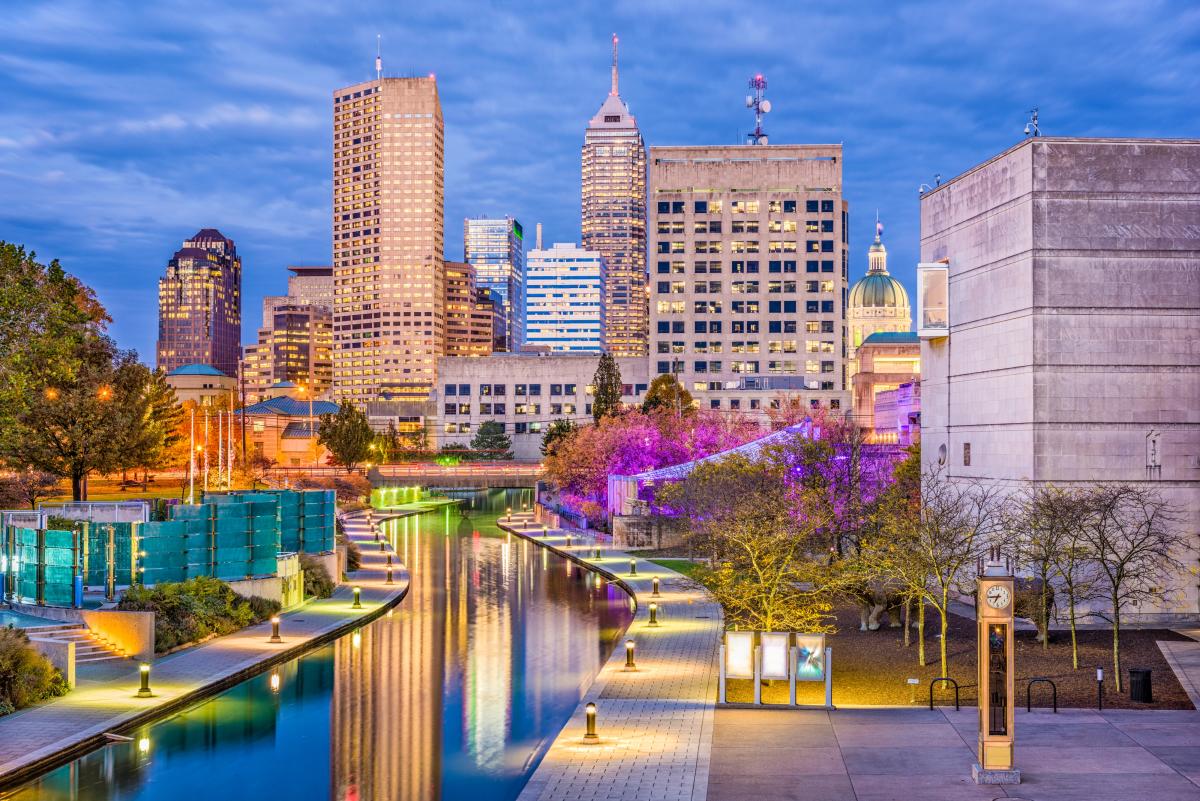
Indianapolis, Indiana, has been the capital since 1825, a planned city laid out around Monument Circle. It is best known for the Indianapolis 500, and the race’s 110th running in May 2026 delivered the closest finish in its history, with Felix Rosenqvist winning by about two hundredths of a second before a sellout crowd. Beyond race season, Indy offers one of the country’s best urban bike paths, world-class museums and a lively food scene. Here are five reasons to visit.
Advertisement
1Things to See & Do
Things to Do in Indianapolis: The Speedway and Monument Circle
The Indianapolis Motor Speedway, home of the Indy 500 since 1911, is a must even if you never see a race. The Indianapolis Motor Speedway Museum displays winning cars and racing history, and track tours let you ride around the famous 2.5-mile oval and kiss the Yard of Bricks at the finish line.
Downtown, the Soldiers’ and Sailors’ Monument rises over Monument Circle, with an observation deck at the top, and the Indiana State Capitol and Indiana War Memorial are close by. The Children’s Museum of Indianapolis, often called the world’s largest children’s museum, is a highlight for families.
2Dining Scene
Where to Eat in Indianapolis: St. Elmo’s Shrimp Cocktail and the Pork Tenderloin
St. Elmo Steak House, open downtown since 1902, is famous for its fiery horseradish shrimp cocktail and has been honored by the James Beard Foundation as an America’s Classic. Indiana’s signature sandwich is the breaded pork tenderloin, pounded thin and much wider than the bun, and sugar cream pie is the official state pie.
Mass Ave, Fountain Square and Broad Ripple are lined with independent restaurants, breweries and cocktail bars, and the historic Indianapolis City Market downtown has been a gathering place for food since the 1880s.
Indianapolis is the rare big city that feels made to be explored on foot and by bike, with the world’s most famous racetrack just down the road.
Advertisement
3Recreation
Outdoor Indianapolis: The Cultural Trail and White River State Park
The Indianapolis Cultural Trail is an eight-mile urban path for walking and biking that links downtown’s cultural districts, neighborhoods and public art, and it connects to the Monon Trail heading north. Rent a bike and you can see much of downtown in an afternoon.
White River State Park, along the river and canal downtown, brings together museums, the zoo, gardens and green space, and the downtown Canal Walk is ideal for strolls and pedal-boat rides. Eagle Creek Park, on the northwest side, is one of the largest city parks in the country, with trails and a reservoir for paddling.
4Shopping
Shopping in Indianapolis: Mass Ave, Fountain Square and Broad Ripple
Massachusetts Avenue, known as Mass Ave, is Indy’s liveliest shopping street, with boutiques, bookstores, home goods and gift shops along a diagonal avenue downtown. Fountain Square, on the Cultural Trail, mixes vintage stores, galleries and duckpin bowling.
Broad Ripple Village, to the north, has independent shops and a farmers market, and the Fashion Mall at Keystone gathers upscale brands. Racing fans will find the best souvenirs at the Speedway museum’s store.
5Art & Culture
Indianapolis’s Art Scene: Newfields, the Eiteljorg and a Vonnegut Museum
Newfields, home of the Indianapolis Museum of Art, combines encyclopedic galleries with 152 acres of gardens and an art and nature park. Downtown, the Eiteljorg Museum of American Indians and Western Art houses one of the nation’s notable collections of Native American and Western art.
The Kurt Vonnegut Museum and Library honors the Indianapolis-born author, the Indianapolis Symphony Orchestra performs at Hilbert Circle Theatre on Monument Circle, and murals along the Cultural Trail and in Fountain Square add color across the city.
Plan Your Indianapolis Trip
May is Indianapolis’s signature month, with qualifying, Carb Day and the Indy 500 over Memorial Day weekend; book well ahead if you plan to attend. The rest of the year, give the city two or three days: one at the Speedway and its museum, one biking the Cultural Trail through downtown’s museums and Mass Ave, and one at Newfields and White River State Park.
Indianapolis, Indiana: FAQ
Is Indianapolis worth visiting?
Yes. Indianapolis offers the Indianapolis Motor Speedway and its museum, the eight-mile Indianapolis Cultural Trail, Newfields, the Eiteljorg Museum, the Children’s Museum of Indianapolis, White River State Park, and a strong food scene in neighborhoods like Mass Ave and Fountain Square.
Who won the 2026 Indianapolis 500?
Felix Rosenqvist of Meyer Shank Racing won the 110th Indianapolis 500 on May 24, 2026, passing David Malukas on the final straightaway in the closest finish in the race’s history.
Can you visit the Indianapolis Motor Speedway?
Yes. The Indianapolis Motor Speedway Museum is open to visitors year-round, and track tours offer laps of the 2.5-mile oval and a stop at the Yard of Bricks, except during race events.
What are the best things to do in Indianapolis?
Top things to do in Indianapolis include touring the Indianapolis Motor Speedway and museum, biking the Indianapolis Cultural Trail, visiting Newfields, the Eiteljorg Museum and the Children’s Museum of Indianapolis, climbing the Soldiers’ and Sailors’ Monument, and eating on Mass Ave and in Fountain Square.
What food is Indianapolis known for?
Indianapolis is known for the shrimp cocktail at St. Elmo Steak House, the breaded pork tenderloin sandwich and sugar cream pie, Indiana’s official state pie.
When is the best time to visit Indianapolis?
May is the most exciting time to visit for the Indy 500. June through October offers warm weather for the Cultural Trail, patios and festivals.
When did Indianapolis become the capital of Indiana?
Indianapolis became the capital of Indiana in 1825, when the state government moved from Corydon to the newly planned city.
Advertisement